
Software Engineering & Cloud Computing in Germany
Why Study Software Engineering & Cloud Computing in Germany?
Germany is Europe's largest technological economy and a main hub for cloud infrastructure, distributed systems, and enterprise software engineering. Home to European enterprise software leader SAP, global industrial technology pioneers (Siemens, Bosch), and major R&D cloud engineering hubs for Amazon Web Services (AWS), Google Cloud, and Microsoft Azure in Berlin, Munich, and Frankfurt, Germany offers a top-tier ecosystem for studying Software Engineering & Cloud Computing (Softwaretechnik und Cloud-Computing).
World-Class Education Options:
Choose between tuition-free public technical universities charging €0 tuition or specialised private business/tech universities offering 100% English-taught tracks and smaller class sizes.
Hub for DevOps, Cloud & Microservices:
German university curricula focus on production-level software design, microservices, container orchestration, multi-cloud management, and serverless architectures.
Direct Access to Industry Infrastructure:
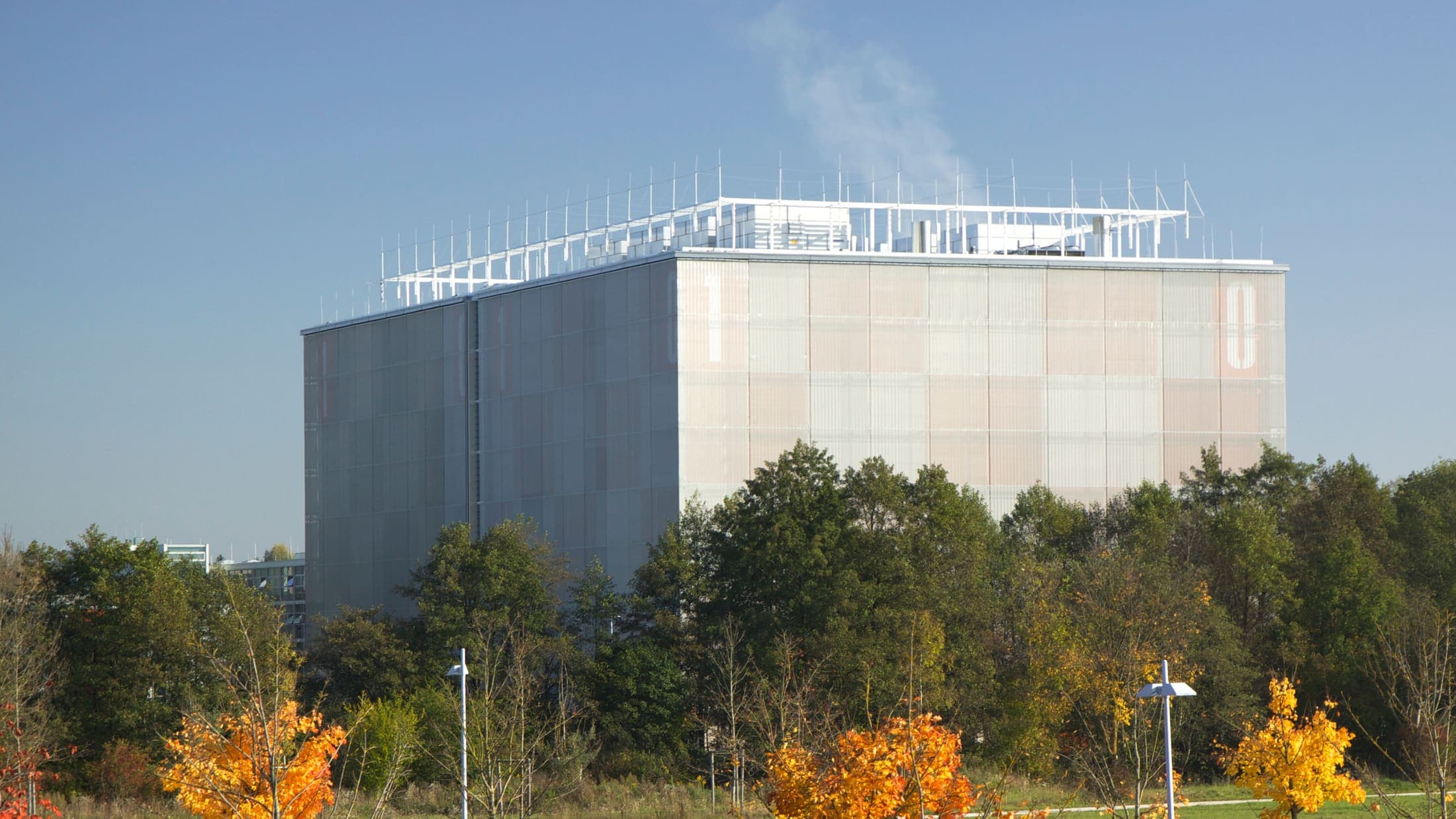
Students gain hands-on experience through university partnerships with cloud providers, industry project labs, and access to supercomputing centres like the Leibniz Supercomputing Centre (LRZ).
Massive Talent Shortage & Top Earnings:
Software and cloud engineers remain among the most sought-after tech professionals (Engpassberufe). Graduates enjoy fast-tracked EU Blue Card pathways and competitive entry-level salaries ranging from €48,000 to €75,000+ per year.
In-Demand Specializations
Software Engineering & Cloud Computing degrees in Germany allow you to focus on specialised, high-growth technical tracks:
Cloud Native Architecture & Microservices:
Containerization (Docker, Kubernetes), serverless computing, API gateway design, and cloud design patterns.
DevOps Engineering & Site Reliability Engineering (SRE):
Continuous Integration/Continuous Deployment (CI/CD) pipelines, Infrastructure as Code (Terraform, Ansible), system monitoring, and automated testing.
Distributed Systems & Cloud Databases:
Multi-region database replication, event-driven architecture (Apache Kafka), high-performance distributed computing, and edge computing.
Cloud Security, Governance & DevSecOps:
Zero-trust cloud security, identity and access management (IAM), encryption, compliance frameworks (GDPR, EU Cloud Code of Conduct), and threat modelling in the cloud.
Enterprise Software Architecture & Clean Code:
Domain-driven design (DDD), software quality assurance, legacy system modernisation, and large-scale refactoring.
Key Admission Prerequisites
For Bachelor's Programs (3–4 Years):
School leaving credentials equivalent to the German Abitur (or completion of a 1-year Studienkolleg T-Kurs foundation track).
For Master's Programs (2 Years):
A recognised 3-year or 4-year Bachelor's degree in Software Engineering, Computer Science, IT, or a closely related STEM field.
ECTS Module Alignment:
Public university admission committees strictly verify prerequisite undergraduate credits in object-oriented programming (Java/C++/Python), algorithms and data structures, operating systems, computer networking, software engineering, and higher mathematics (calculus, discrete math).
Language Proficiency:
English-Taught Programs:
IELTS Academic (6.5+) or TOEFL iBT (88+).
German-Taught Programs:
TestDaF (TDN 4 in all sections) or Goethe-Zertifikat C1.
Tuition Fees
Let's plan your path to studying Software Engineering & Cloud Computing in Germany
From shortlisting the right cloud/software programme to preparing a standout application, our counsellors guide every step of your journey.
Frequently Asked Questions (FAQs)
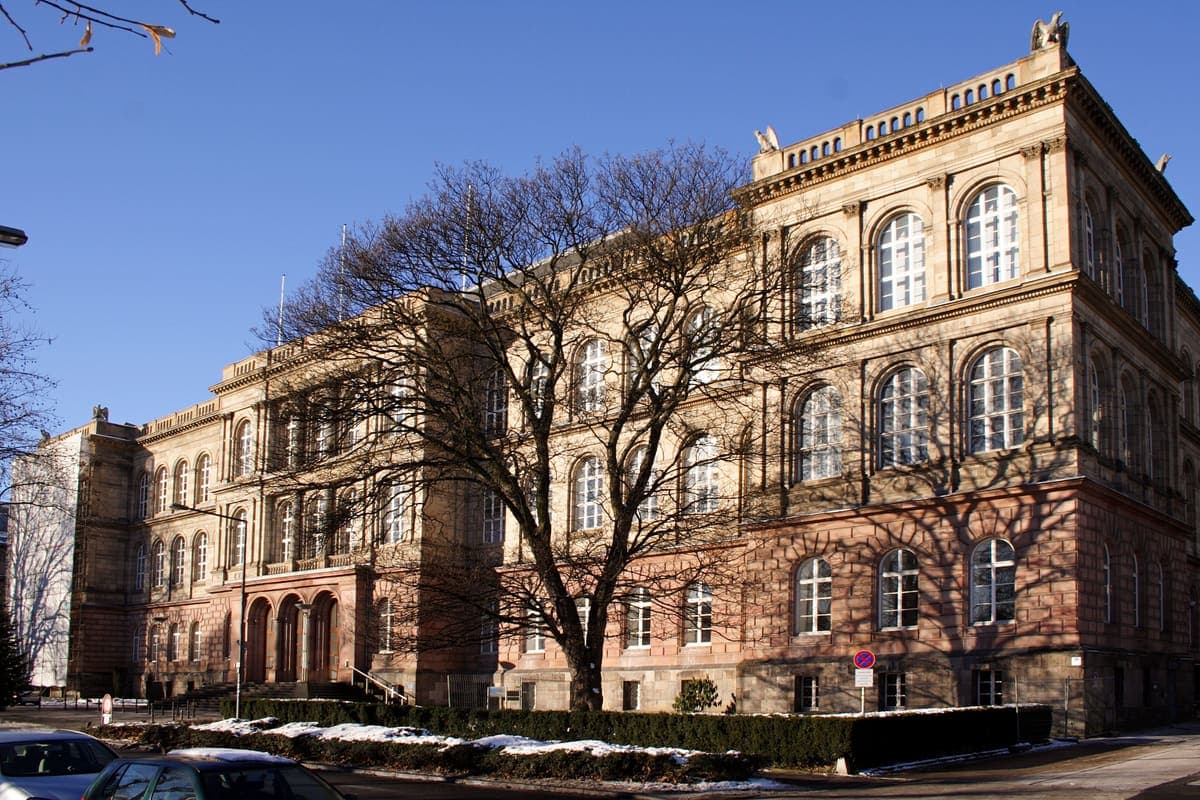
Yes. Several leading public technical universities offer fully English-taught Master's programs in Software Engineering, Cloud Systems, and Computer Science, including University of Stuttgart, University of Bamberg, TU Berlin, RWTH Aachen, and University of Bayreuth.
Entry-level software engineers, cloud architects, and DevOps engineers in Germany earn starting salaries ranging from €48,000 to €75,000+. Specialised roles in Cloud Security, Site Reliability Engineering (SRE), or Distributed Systems Architecture in hubs like Munich, Berlin, or Frankfurt frequently command starting offers exceeding €75,000.
The Software Engineering M.Sc. focuses broadly on the complete software development lifecycle, object-oriented design, software architecture, testing, agile methodologies, and clean code principles. Cloud Computing M.Sc. focuses specifically on infrastructure virtualisation, distributed system resilience, cloud-native deployments, DevOps automation, network virtualisation, and multi-cloud security.
Public universities evaluate transcripts strictly using credit-matching models. Admission committees verify that your Bachelor's degree transcript contains specific minimum ECTS credit thresholds in Software Architecture/Engineering, Algorithms & Data Structures, Operating Systems & Networking, and Higher Mathematics (calculus, discrete math).
Yes, provided your transcript contains sufficient credits in core computer science subjects like object-oriented programming, software design, algorithms, and mathematics. If minor gaps exist, select universities may issue a conditional admission offer (mit Auflagen), requiring you to pass 1 or 2 bridging modules during your first year.
Programs focus on industry-standard platforms and technologies:
• Cloud Infrastructure: Amazon Web Services (AWS), Microsoft Azure, Google Cloud Platform (GCP), OpenStack.
• DevOps & Containers: Docker, Kubernetes, Terraform, Ansible, Jenkins, GitLab CI/CD.
• Programming Languages: Java, Python, Go, C++, Rust, TypeScript.
• Architectural Patterns: Microservices, REST/gRPC APIs, Event-Driven Architecture (Kafka).
Major cloud and software engineering hubs include:
• Munich: Home to major European R&D centres for Google Cloud, AWS, Microsoft, SAP, and automotive tech divisions.
• Berlin: Europe's premier startup capital, housing thousands of tech scale-ups, e-commerce scale-ups, and SaaS companies.
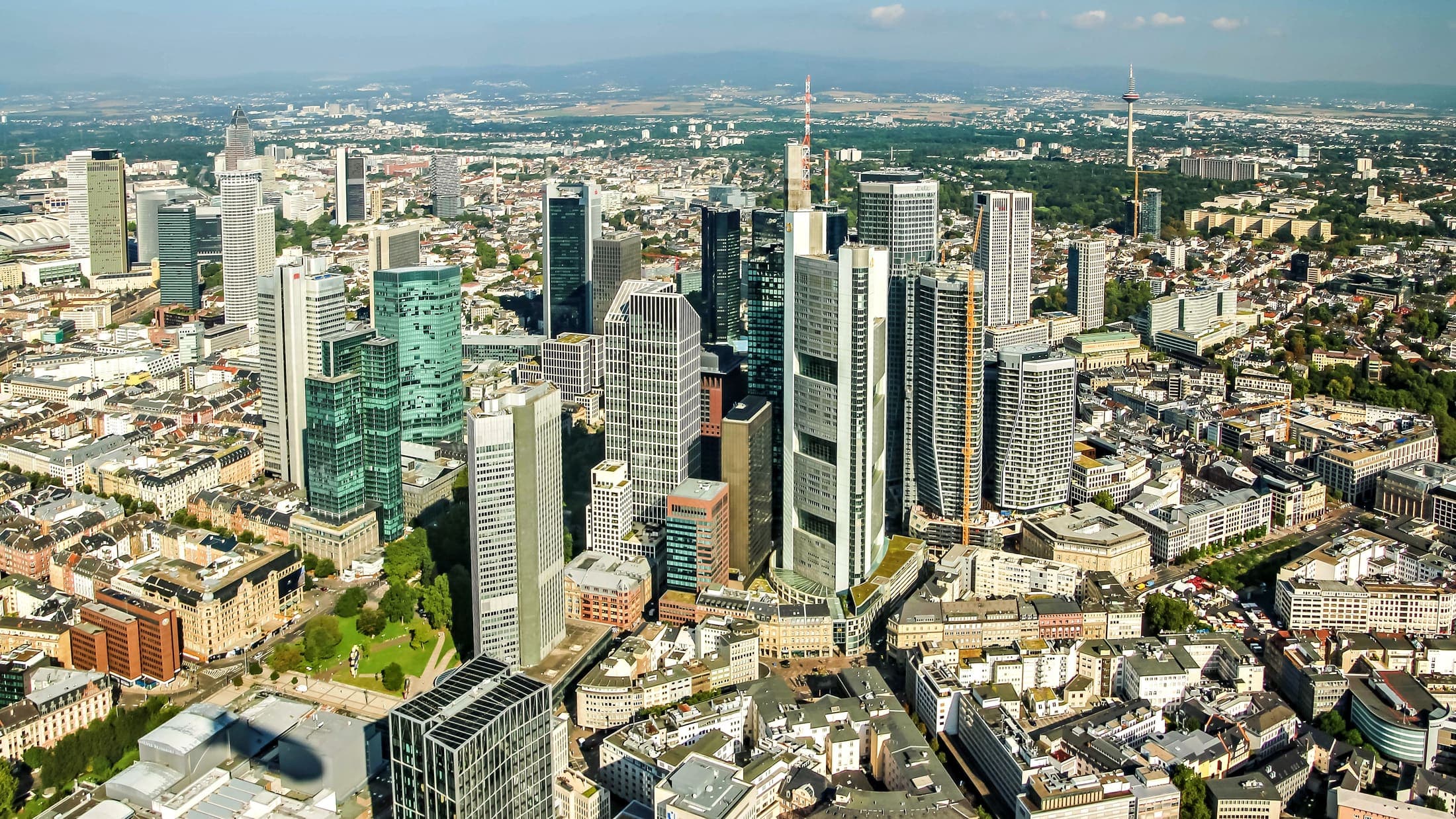
• Frankfurt: Europe's financial data centre hub, offering high demand for cloud security, financial IT, and cloud infrastructure engineers.
• Walldorf / Karlsruhe Region: Headquarters hub for SAP and enterprise software engineering.
While many international tech startups, scale-ups, and multinational cloud providers in cities like Berlin and Munich hire software developers who speak only English, learning German to a B1/B2 level drastically expands your career prospects. Traditional German enterprise firms (Mittelstand) and client-facing IT consulting roles strongly prefer conversational German skills.
Yes. Non-EU international students can legally work up to 140 full days or 280 half days per calendar year. Working 12 to 20 hours per week as a student worker (Werkstudent) as a junior software developer, DevOps assistant, or cloud administrator allows you to earn €15 to €24/hour while building direct production experience before graduation.
German universities have heavily integrated cloud security modules into their software curricula. Courses cover zero-trust architectures, secure container design, automated vulnerability scanning in CI/CD pipelines, IAM policy management, and compliance with European data sovereignty regulations (such as GDPR and Gaia-X cloud initiatives).
Most German Master's programs encourage or mandate a 3- to 6-month industrial internship (Praktikum) or a company-sponsored Master's thesis project. Writing your thesis in partnership with firms like SAP, BMW, AWS, or local tech firms provides direct access to real production environments and frequently converts directly into full-time job offers upon graduation.
Explore Other Fields of Study in Germany
Beyond Software Engineering & Cloud Computing, EduOptions Germany also guides students
into these high-growth fields.
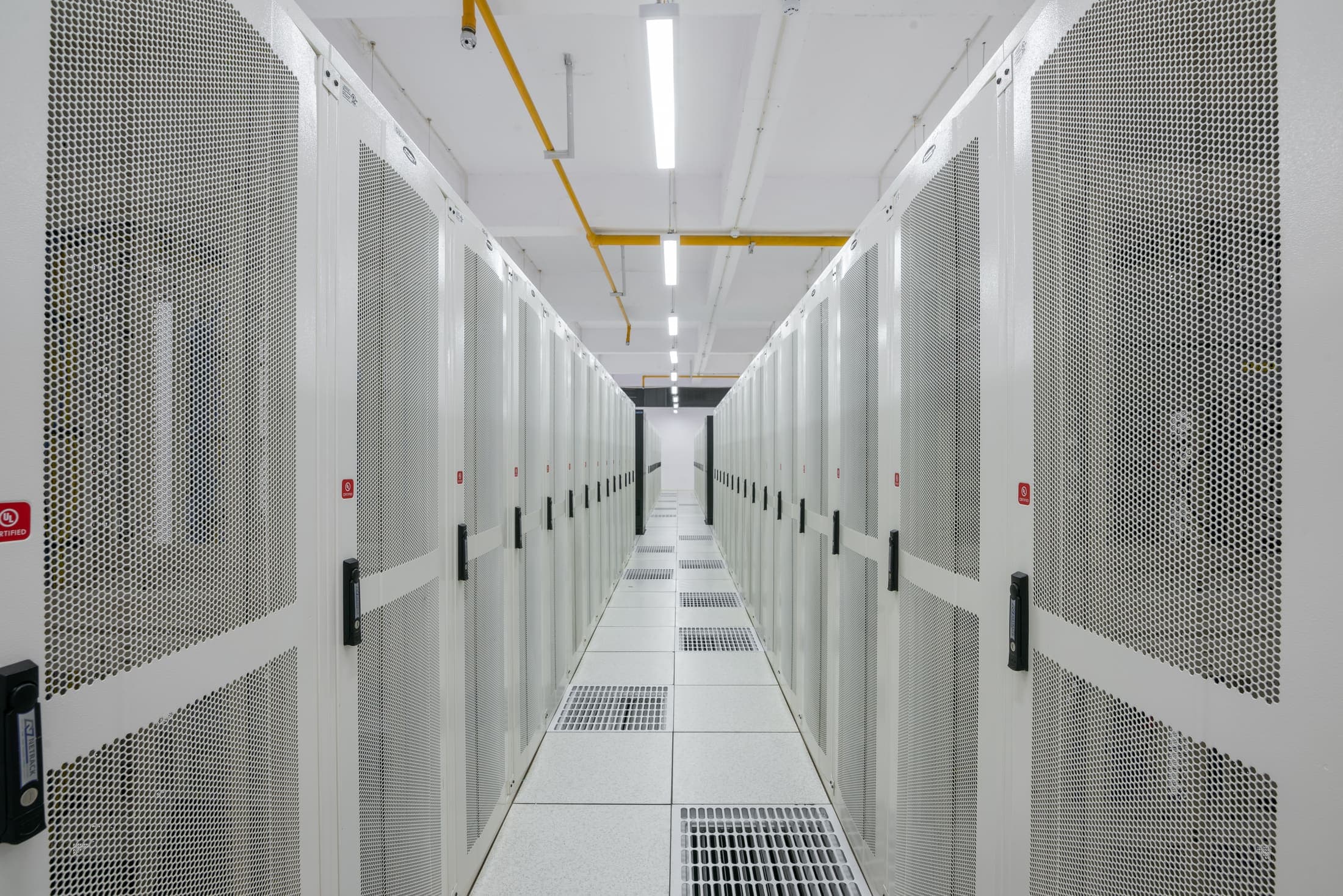
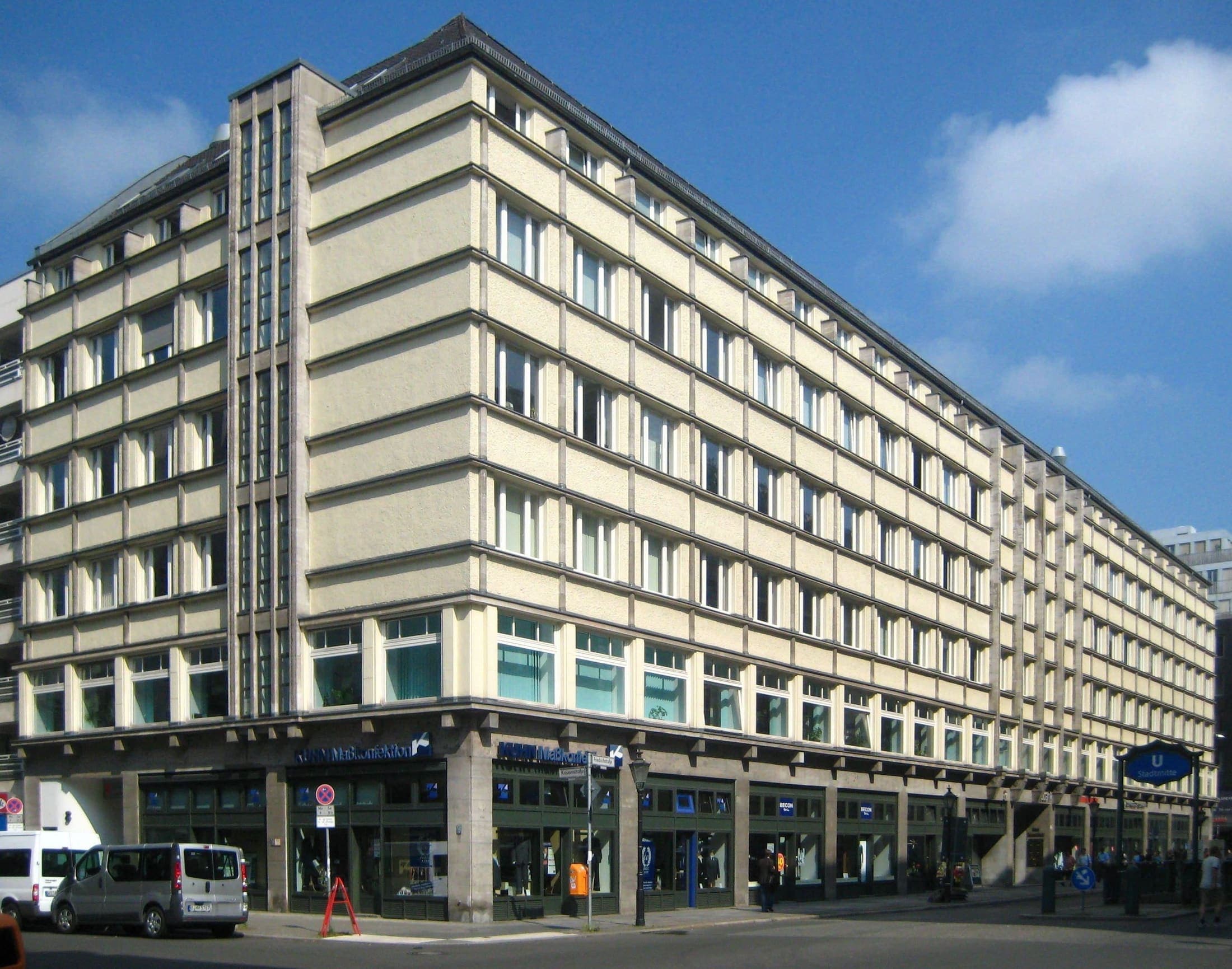
Photo credits: Data centre server racks by PiDatacenters, CC BY-SA 4.0; Leibniz Supercomputing Centre, Garching by Michael Brenner, CC BY-SA 3.0; Frankfurt am Main financial district by Dr. Thomas Liptak, CC BY-SA 4.0; RWTH Aachen main building by א (Aleph), CC BY-SA 2.5; Friedrichstrasse business district, Berlin by Jörg Zägel, CC BY-SA 3.0. Via Wikimedia Commons. All image credits
