
Why Study in Germany
World-Class Education. Global Careers. Endless Opportunities.
Germany has become one of the most trusted destinations for international students—and for good reason. From tuition-free public universities to a booming job market, it offers the perfect blend of quality education and long-term career growth.
Your German journey, start to finish
Germany has become a top destination for international students seeking high-quality, tuition-free education. And the advantages go far beyond affordability—here’s why it should be your first choice:
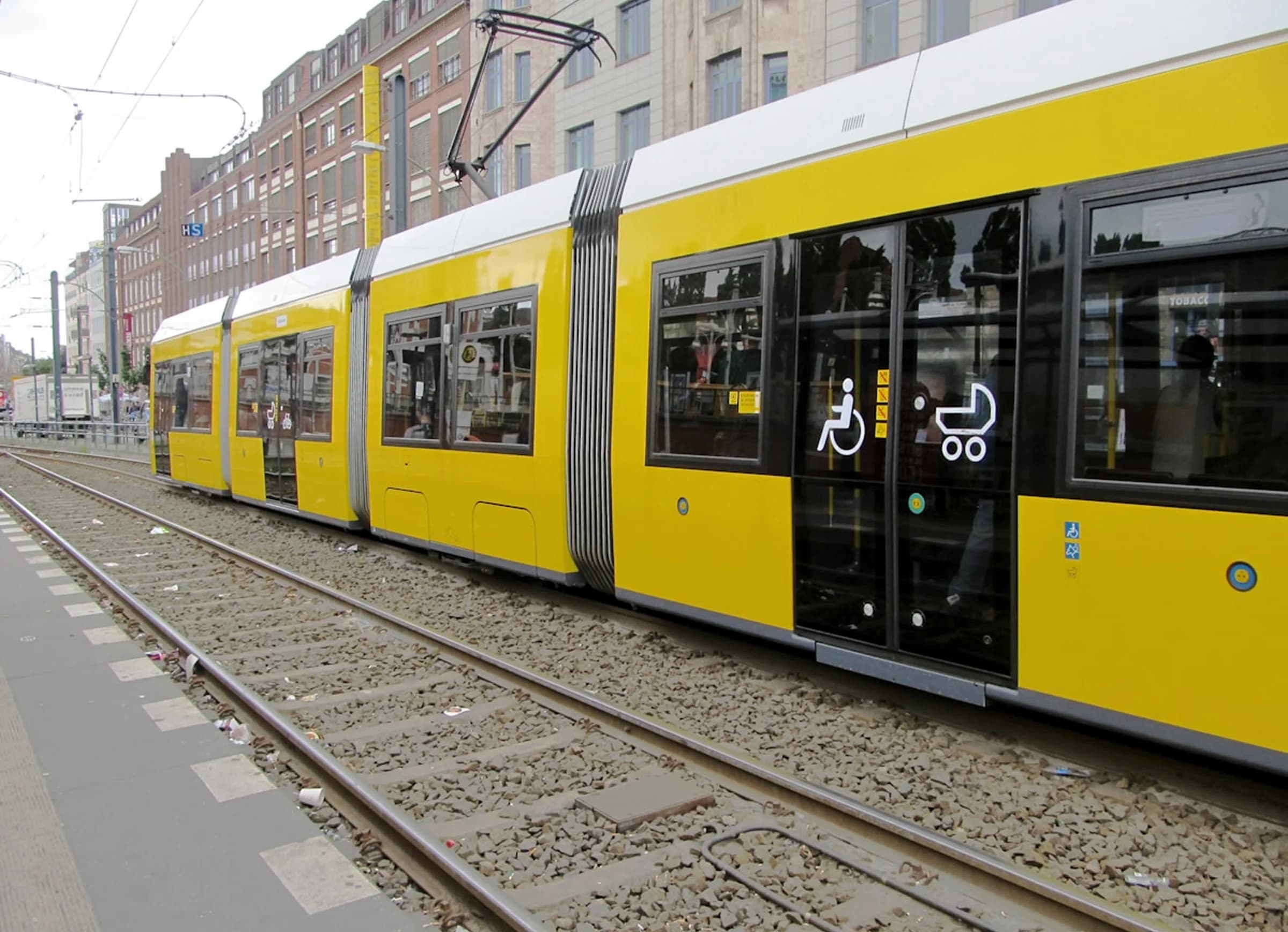
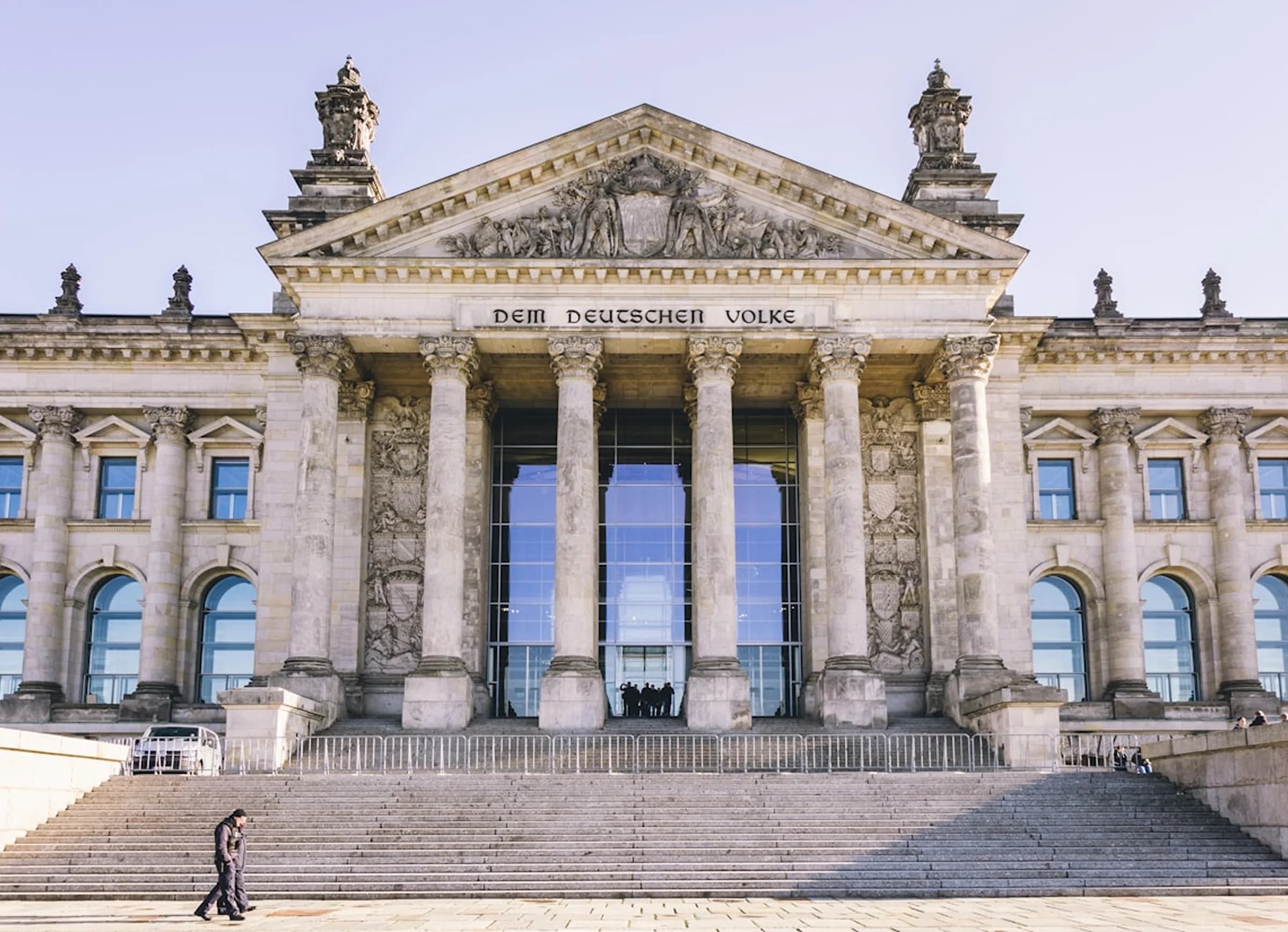
Top education at low cost
Most public universities in Germany charge little to no tuition, even for international students. You get world-class education at a fraction of the cost compared to the USA, UK, or Australia.
Excellence & Innovation
Germany hosts some of the world’s most prestigious universities and research institutions. With a focus on practical learning, cutting-edge research, and strong industry ties, German degrees are globally recognized and highly respected.
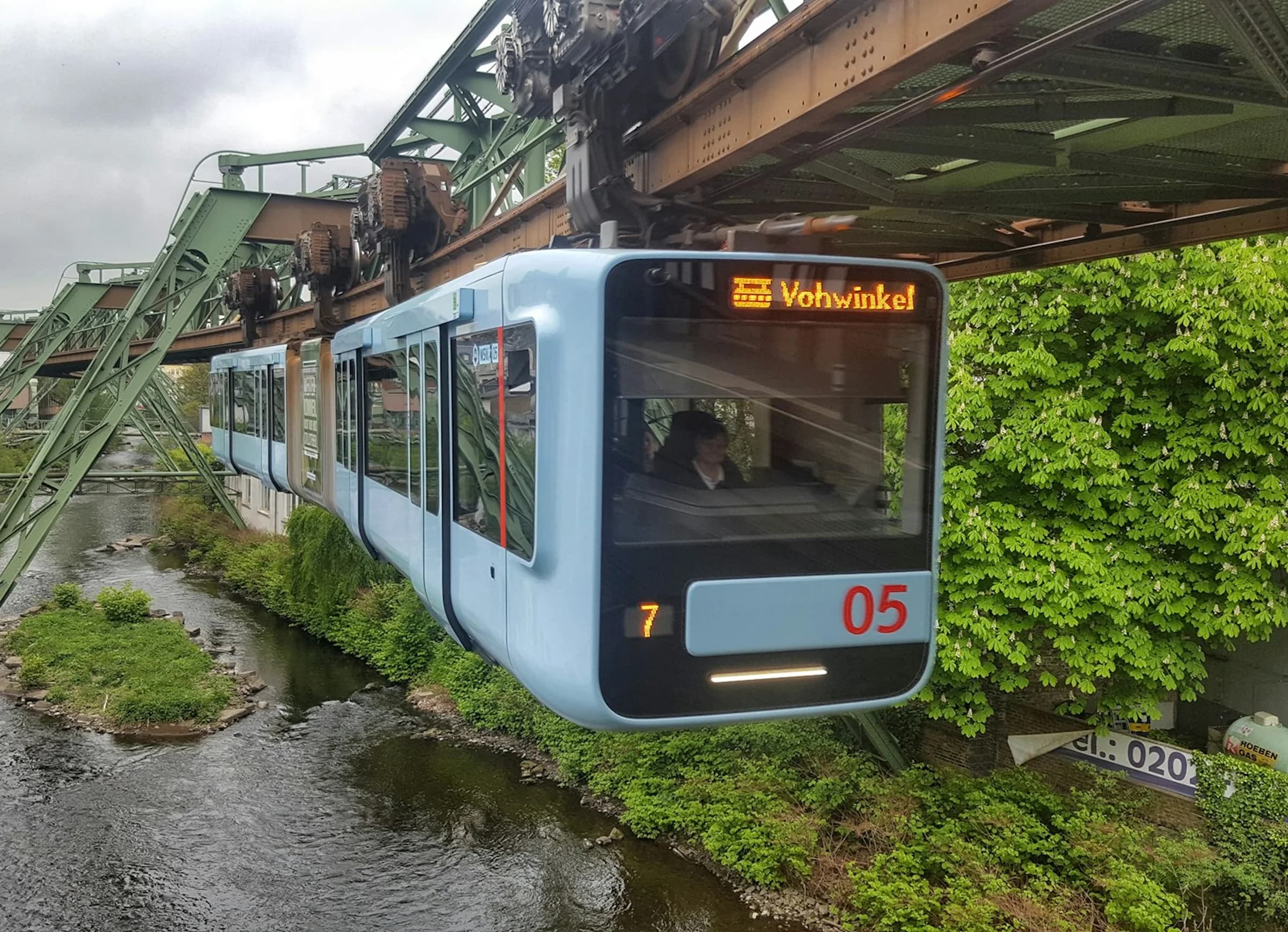
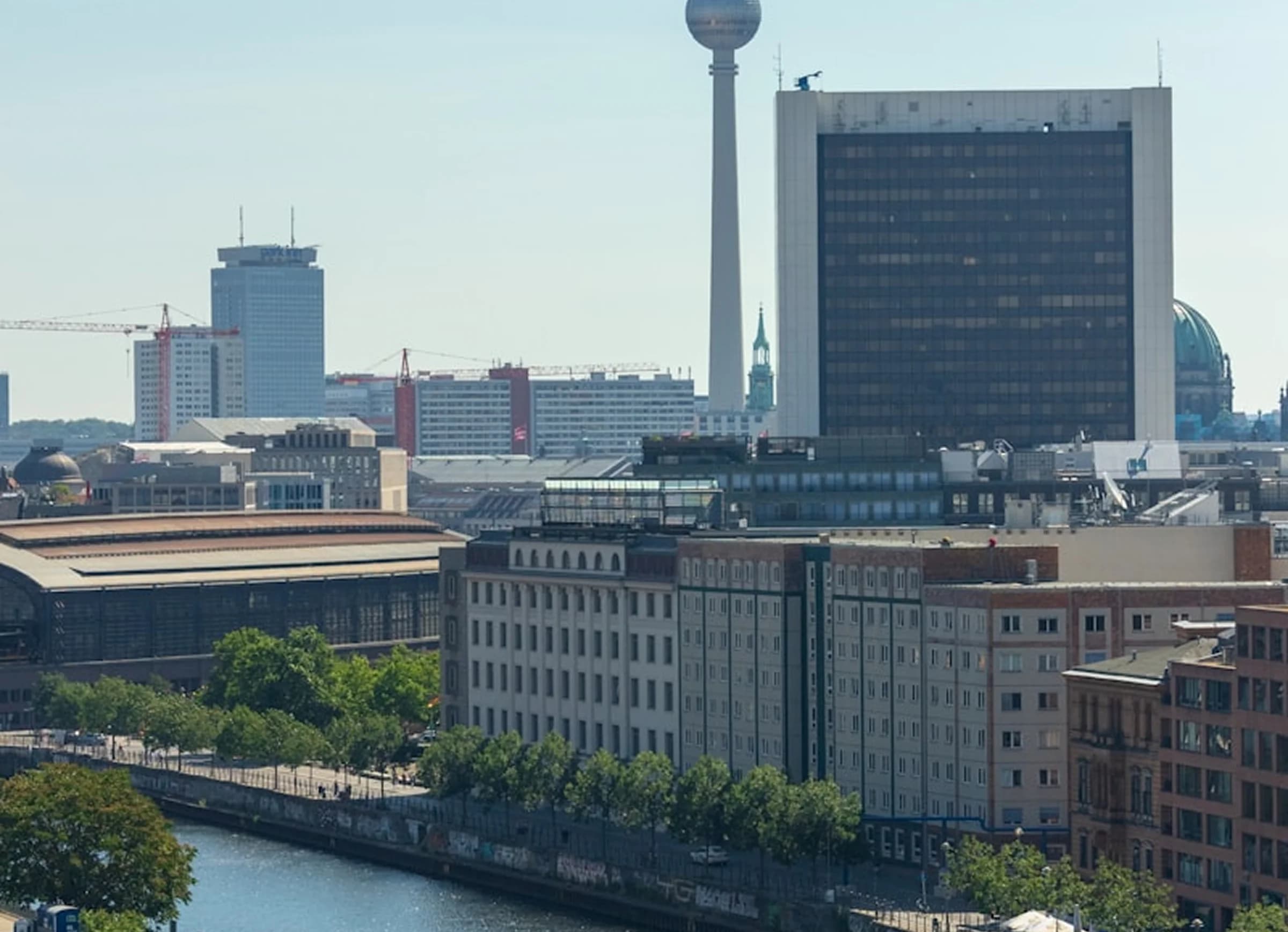
Strong Job Market & Careers
Germany’s strong economy offers excellent opportunities for graduates. With shortages in fields like engineering, IT, healthcare, and business, international talent is in high demand. Plus, the 18-month post-study work visa helps you kick-start your career with ease.
Europe’s Central Hub
Studying in Germany puts you at the center of Europe, making it easy to travel, explore new cultures, and build a global network that supports your future career.


High Living Standards
Germany offers excellent quality of life with efficient transport, top healthcare, safe cities, and vibrant culture. Student-friendly cities like Berlin, Munich, Hamburg, and Cologne blend modern living with rich history.
Programs in English
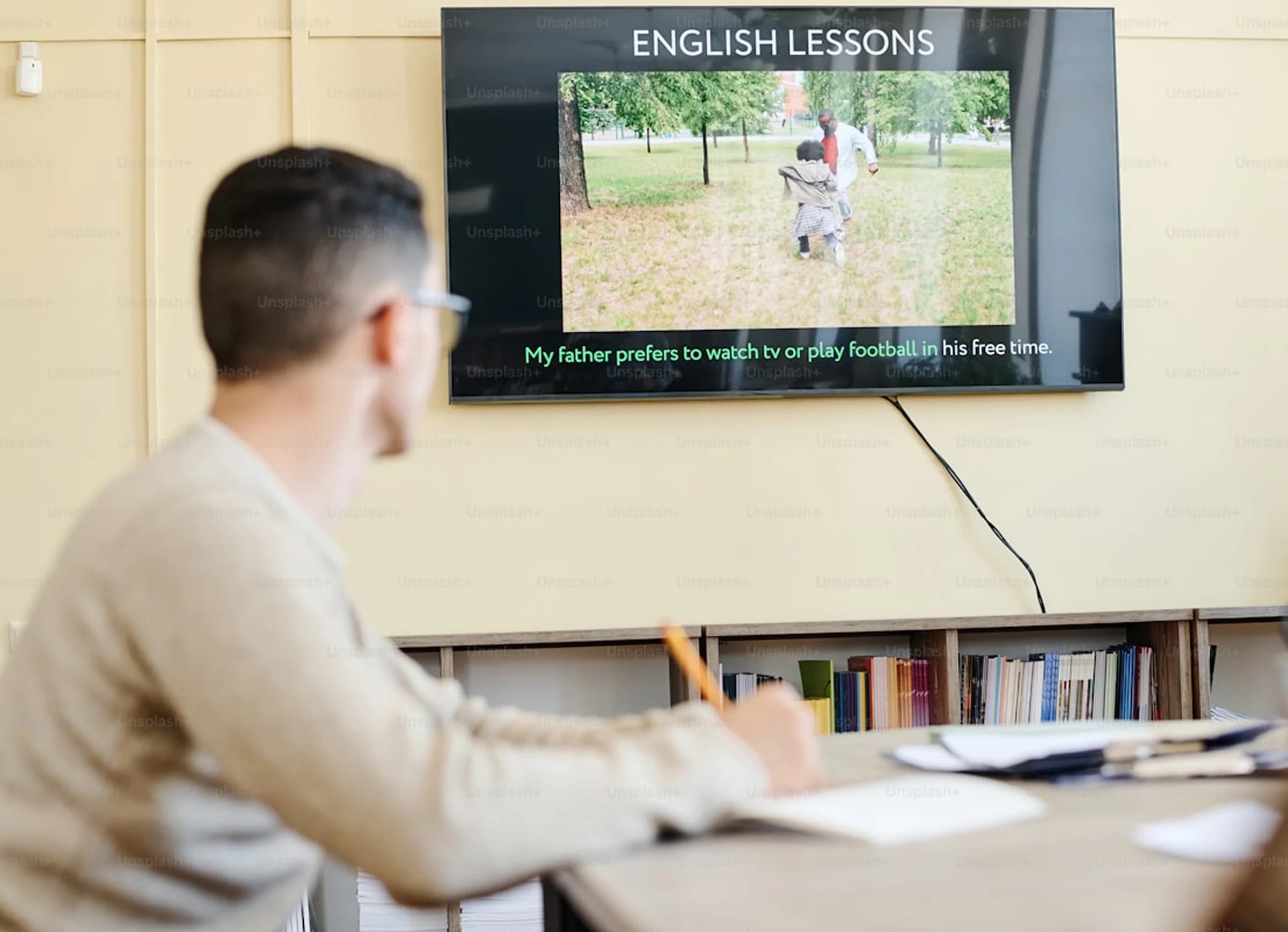
Thousands of programs are taught entirely in English, so you can start your studies without knowing German. Learning the language, however, opens more opportunities and enriches your experience.

Innovation Hub
Germany’s strong investment in research and development gives students access to cutting-edge labs, facilities, and collaborations with top companies like Siemens, BMW, SAP, and Bosch.
International Environment
Join a vibrant community of international students at Germany’s inclusive, multicultural universities, where you can forge lifelong friendships and professional connections.

From consultations to celebrations: Capturing Memories That Matter
Eduoptions Germany was founded on a simple belief: every student deserves personalized guidance that transforms the complex German university application process into an exciting journey of possibilities.

“Our founder, Mrs Renu Agarwal encouraging a student to share her success story at our Pune fair to inspire other aspirants.”

“Our students getting familiar with German culture at a cultural exchange event at the Berlin School of Business and Innovation, Germany.”

“Our student, Zaid Kazi, thrilled to be graduating from the University of Strathclyde, Glasgow.”
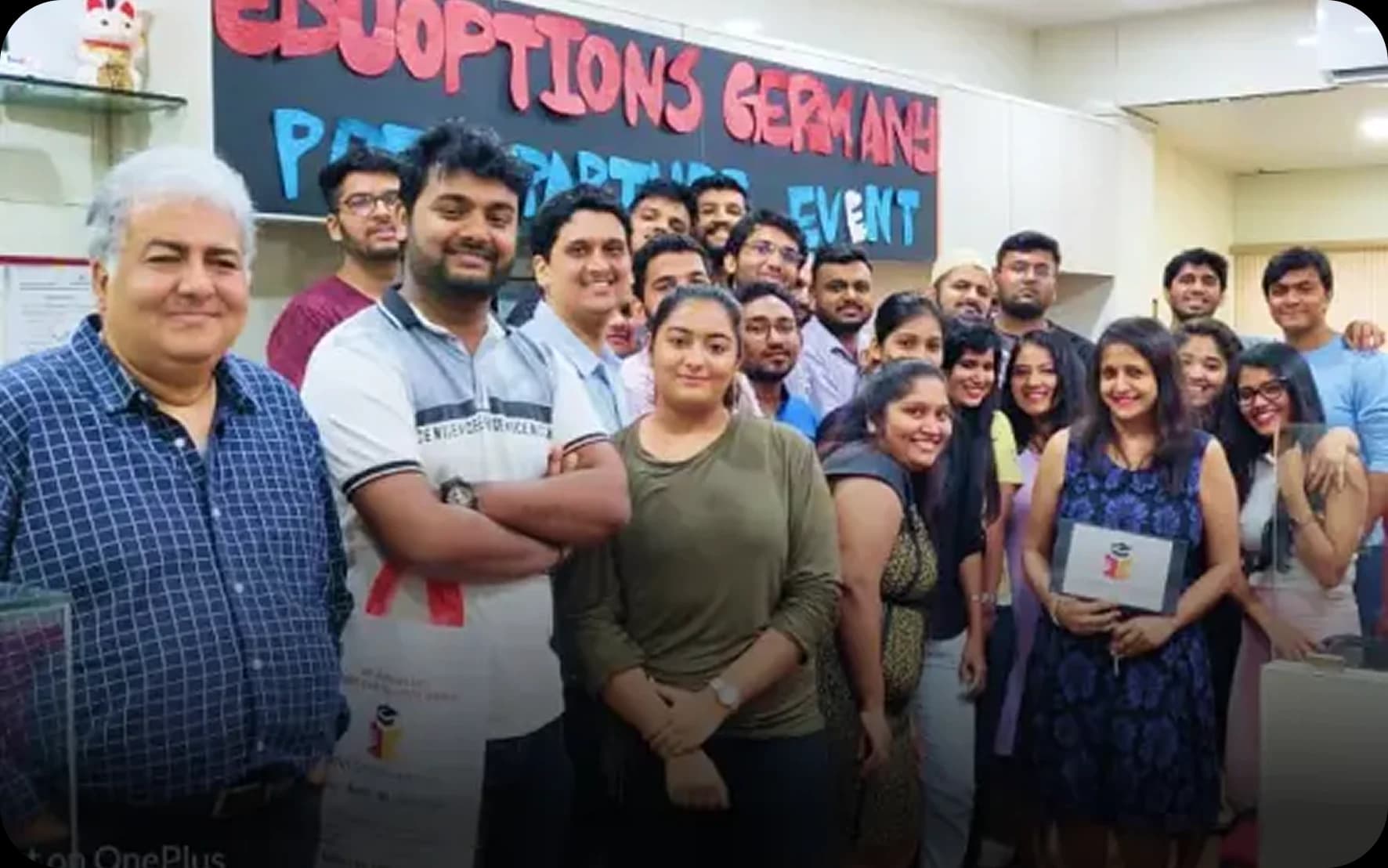
“Excited and happy students at the pre-departure celebratory event organized at our Mumbai office.”

“A German university official visiting our team to discuss the exciting and growing opportunities for Indian students in Germany.”

“Our team coming together for Diwali celebrations at our Mumbai office.”
Let’s work together to turn your dream of studying in Germany into reality!
Explore our counselling service.

Frequently Asked Questions (FAQs)
Germany is one of the world's premier study abroad destinations due to key structural advantages:
• Tuition-Free Public Higher Education: No tuition fees at most public universities.
• Global Academic Reputation: Home to world-class technical and research institutions.
• Strong EU Economy: Europe's largest economy with significant labour shortages in engineering, IT, healthcare, and management.
• Favourable Post-Study Work Visa: 12-month unrestricted job search permit post-graduation.
• Path to Permanent Residency: Fast-track PR in 21–27 months under EU Blue Card regulations.
• Schengen Travel: Unrestricted travel across 29 European countries within the Schengen area.
The German federal government sets a mandatory minimum cost of living requirement, which must be deposited into a Blocked Account (Sperrkonto). As of recent regulations, international students must demonstrate €11,904 per year (or €992 per month). This covers basic living expenses including housing, utilities, food, public health insurance, clothing, and semester contributions.
The TU9 Alliance is an association of nine leading Institutes of Technology in Germany, globally recognised for engineering, natural sciences, and technology:
1. RWTH Aachen University
2. Technical University of Berlin (TU Berlin)
3. Technische Universität Braunschweig
4. Technical University of Darmstadt (TU Darmstadt)
5. Technische Universität Dresden (TU Dresden)
6. Leibniz University Hannover
7. Karlsruhe Institute of Technology (KIT)
8. Technical University of Munich (TUM)
9. University of Stuttgart
German public universities maintain high academic standards regulated by state governments. Unlike in the US, the UK, or Australia, where university quality can vary significantly between public and private institutions, all German state-accredited public universities offer equal academic standards and degrees. Additionally, German higher education places a strong emphasis on research integrity and industrial applications, without leaving students with massive tuition debt.
Yes, Germany ranks consistently among the safest countries globally, with low crime rates, efficient law enforcement, robust emergency services, and strict anti-discrimination laws. Student cities like Munich, Berlin, Hamburg, Aachen, and Stuttgart feature well-lit public transit systems and dedicated university international student support offices (Akademisches Auslandsamt).
Yes. Under Germany's modernised Immigration and Nationality Laws, international graduates who secure a qualified job can obtain Permanent Residency (Niederlassungserlaubnis) after 24 months of holding a work permit and paying statutory pension contributions or 21 months with an EU Blue Card and B1 German proficiency. Under updated citizenship laws, naturalisation is possible after 5 years or 3 years with exceptional integration and C1 German skills, allowing dual citizenship for non-EU nationals.
Germany faces structural skilled labour shortages (Fachkräftemangel), leading to strong demand in:
• Automotive & Mechanical Engineering: BMW, Mercedes-Benz, Volkswagen, Porsche, Bosch.
• Information Technology & Software: SAP, Siemens, tech startups, data analytics firms.
• Electrical & Automation Engineering: Siemens, ABB, Infineon.
• Chemicals & Pharmaceuticals: BASF, Bayer, Merck.
• Management & Consulting: Big Four, logistics management, supply chain operations.
As a student residing in Germany with a valid residence permit, you enjoy unrestricted, visa-free travel across all 29 Schengen area countries (including France, Switzerland, Italy, the Netherlands, and Spain) for tourism, academic conferences, and leisure trips.
EduOptions Germany provides step-by-step guidance, including initial profile evaluation, credit/ECTS module mapping, university shortlisting, APS certificate filing, Uni-Assist submissions, Blocked Account setup, health insurance guidance, VFS student visa filing, and pre-departure briefings.
Yes. Germany offers over 2,000+ English-taught Master's degrees and a growing number of English-taught Bachelor's programs across public and private universities. While your degree will be taught 100% in English, learning basic conversational German (A1 to B1 level) is highly recommended for everyday life, part-time jobs (Werkstudent), and networking for full-time job offers post-graduation.
