
Build Your Career With Us
Join a team that values innovation and growth Your next opportunity starts here
A comprehensive and up-to-date overview (2026) for Indian students considering Germany as a study and post-study work destination.
Germany is one of the most sought-after destinations for Indian students due to its world-class education system, affordable tuition, and strong post-study work and PR opportunities. Below is everything you need to know.
18-Month Job Seeker Visa (Post-Study Work Rights)
What it is
After completing your studies in Germany (Bachelor’s, Master’s, or PhD), you can apply for an 18-month Residence Permit.
Key Details
- You can work in any job (even part-time or unrelated)to support yourself.
- Once you find a job related to your field, you can switch to a work visa (Blue Card or regular employment visa).
- The visa is extendable to full-time employment status once hired.
- You need to show proof of health insurance and financial means (~€1,000/month) to cover living expenses.
You must have completed a degree from a recognized German degree.
During these 18 months:
Pro Tips
If you’re studying a STEM or IT-related course, the probability of landing a job within 6 months is very high, especially in Germany’s tech and manufacturing hubs like Berlin, Munich, Hamburg, Frankfurt, and Stuttgart.
Key Details
- You can work in any job(part-time or unrelated) to support yourself.
- Once you find a jobrelated to your field, you can switch to awork visa.
- The visa is extendable to full-time status.
- You need proof ofhealth insurance &€1,000/month.
You must have completed adegree from a recognized German university.
During these 18 months:
Fields in High Demand (2026 Outlook)
Germany is facing a major skilled labour shortage, projected to exceed 2 million vacancies by 2030. For Indian students, this creates an excellent opportunity in the following high-demand areas:
Field Description Key Employers / Sectors

Courses
Company


Courses
Company
(Post-Study Employment)
Salary Expectations
Here’s what Indian graduates can expect in terms of average starting salaries (gross annual)
Field Average Starting Salary
(€ per year)

IT / Software Development
50K – 65K
€Euros

Engineering (Mechanical, Electrical, Civil)
48K – 60K
€Euros

Data Science / AI / Analytics
55K – 70K
€Euros

Finance & Accounting
45K – 58K
€Euros

Healthcare / Nursing / Life Sciences
42K – 55K
€Euros

Renewable Energy / Sustainability
45K – 60K
€Euros

Business & Management Roles
40K – 55K
€Euros
Cost of Living: Varies by city — expect around €900–€1,200/month (higher in Munich or Frankfurt).
Permanent Residency (PR) Options for Indian Students
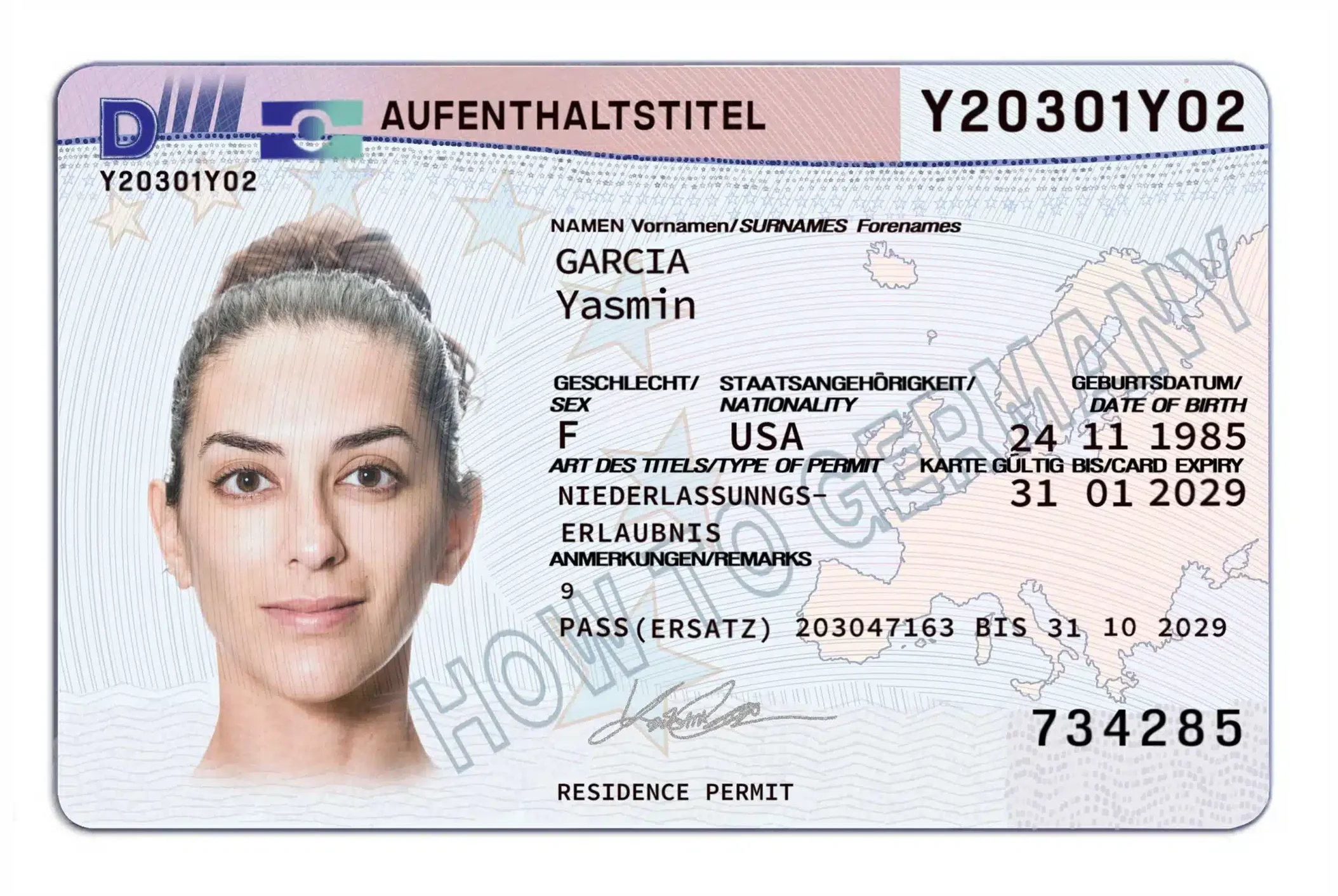
After completing your studies and working in Germany, you can transition smoothly towards Permanent Residency (Niederlassungserlaubnis).
Via Blue Card Route
- If you work under an EU Blue Card, you can apply for PR after:
- 33 months of employment (if you pay into pension system), or
- 21 months if you prove B1 German proficiency.
- Salary threshold (2026):
- General: €45,300/year
- Shortage Occupations: €41,000/year
Without Blue Card
PR Benefits
For Indian Students — Quick Summary
Stage Visa Type Duration Work Rights PR Pathway
During Study Student Visa Duration of course 120 full / 240 half days per year N/A
After Graduation Job Seeker Visa 18 months Any job allowed
Transition to Blue Card or Work Visa
Employment Blue Card / Work Visa 1–4 years Full-time Eligible for PR after 21–33 months
Permanent Residence PR (Niederlassungserlaubnis) Indefinite Full freedom Path to citizenship in 6–8 years
Consultant Tip
Start preparing for your post-study job 6 months before graduation.
Build a German-style CV, get your degree recognition (if required), and network via LinkedIn & local career fairs.
Knowing basic German (A2–B1) can significantly boost your job prospects and salary.
Frequently Asked Questions (FAQs)
Upon completing a Bachelor's, Master's, or PhD degree at a state-recognised German university, international graduates are entitled to an 18-month Post-Study Work Visa (Aufenthaltserlaubnis zur Arbeitsplatzsuche). This permit grants unrestricted work rights in any job while searching for a qualified full-time position related to your field of study.
The EU Blue Card is a work and residence permit for university-educated foreign professionals. To qualify, you must hold a recognised university degree (or a German degree) and a full-time employment contract matching your qualification with an annual salary that meets official thresholds (€50,700/year standard, or lower thresholds of ~€45,934/year for shortage occupations like IT, Engineering, and Healthcare).
Germany offers one of the fastest Permanent Residency (Niederlassungserlaubnis) pathways in Europe for international graduates:
• EU Blue Card Holders: Eligible for PR after just 21 months of employment (if you hold certified B1 German) or 27 months (with A2 German).
• German University Graduates on Standard Work Permits: Eligible for PR after 24 months of skilled employment and statutory pension contributions.
While many global tech firms, startups, and MNCs in major cities (Berlin, Munich, Frankfurt) offer English-speaking roles in IT, Data Science, and Marketing, learning German (A2 to B1 level minimum) significantly expands your employment opportunities. Conversational German is vital for passing interviews at traditional German engineering companies (Mittelstand) and navigating local workplace culture.
Germany faces structural labour shortages (Fachkräftemangel) across several key sectors, leading to lower salary requirements for EU Blue Cards in:
• Information Technology, AI, Cybersecurity, and Software Development
• Mechanical, Automotive, Electrical, Mechatronics, and Industrial Engineering
• Civil and Structural Engineering
• Mathematics, Physics, Data Science, and Natural Sciences
• Medicine, Healthcare, and Biotechnology
Yes. Unlike job seeker visas in many other countries, Germany's 18-month post-study work visa allows you to work unrestricted in any field (part-time jobs, freelancing, or temporary roles) to support yourself financially while interviewing for a career-aligned full-time position.
Under updated German citizenship laws, foreign professionals can apply for German citizenship after 5 years of legal residence in Germany (down from 8 years). Furthermore, individuals demonstrating exceptional academic or professional integration alongside C1 German proficiency can qualify for fast-track citizenship in as little as 3 years. Dual citizenship is also legally permitted.
A Werkstudent job is a student employment position where university students work up to 20 hours per week at a company in a field directly related to their major. It provides relevant corporate experience, earns an income (€13–€20+/hour), and frequently leads to full-time job offers before graduation.
Starting salaries depend on your major, location, and industry experience:
• STEM & Engineering Graduates: €50,000 to €68,000 per year.
• Computer Science & IT Professionals: €52,000 to €72,000 per year.
• MBA & Management Graduates: €55,000 to €85,000+ per year.
• Business, Finance & Supply Chain Majors: €45,000 to €60,000 per year.
Yes. Holders of an EU Blue Card or skilled work permit can bring their spouse to Germany via the Family Reunification Visa (Ehegattennachzug). Spouses receive immediate, unrestricted full-time work rights in any sector without requiring prior German language proficiency.
Most German public and private universities feature dedicated Career Services Offices (Career Centres). They host university career fairs, offer CV and cover letter translation workshops (Lebenslauf), maintain job portals, and connect students directly with industrial partners (such as SAP, BMW, Siemens, Bosch, and Lufthansa).
If you haven't secured a qualified full-time role within 18 months, you can evaluate alternative residence pathways—such as enrolling in a higher-level degree (e.g., progressing from a Master's to a PhD), applying for an Opportunity Card (Chancenkarte), or transitioning into a founder/freelance visa if starting a registered business in Germany.
EduOptions Germany prepares you for long-term integration from Day 1:
• Shortlisting universities located near active industrial hubs (e.g., Stuttgart, Munich, Frankfurt, Berlin) to maximise internship opportunities.
• Advising on German language milestones (A1–B1) alongside your degree.
• Guiding you through post-arrival services (Anmeldung, Tax ID, work permits) so you can legally transition into Werkstudent jobs and full-time EU Blue Card positions.
