

Cognitive Psychology & Neurosciences in Germany
Why Study Cognitive Psychology & Neurosciences in Germany?
Germany is a global birthplace and modern leader in experimental psychology and brain research. From Wilhelm Wundt establishing the world's first experimental psychology lab in Leipzig to state-of-the-art neuroimaging facilities at the Max Planck Institutes, Germany provides an unmatched academic ecosystem for studying Cognitive Psychology & Neurosciences (Kognitive Psychologie und Neurowissenschaften).

Access to World-Class Brain Research Centres:
Study alongside premier research facilities, including the Max Planck Institute for Human Cognitive and Brain Sciences (Leipzig), the Bernstein Network for Computational Neuroscience, and the German Centre for Neurodegenerative Diseases (DZNE).
World-Class Public & Private Universities:
Choose between tuition-free public research universities, e.g., Freie Universität Berlin, Humboldt-Universität zu Berlin, LMU Munich, University of Tübingen, University of Oldenburg, Ruhr-University Bochum or specialised private medical/psychology institutions offering 100% English-taught tracks.
Advanced Experimental Technology:
Gain direct hands-on training using neuroimaging and electrophysiological tools—such as functional Magnetic Resonance Imaging (fMRI), Electroencephalography (EEG), Magnetoencephalography (MEG), Transcranial Magnetic Stimulation (TMS), and Eye-Tracking systems.
High Demand & Interdisciplinary Career Mobility:
Programs bridge clinical neuropsychology, human-computer interaction (HCI), neuro-AI, and brain-machine interfaces. Graduates benefit from fast-tracked EU Blue Card pathways and competitive starting salaries ranging from €52,000 to €75,000+ per year.
In-Demand Specializations
Degrees in Cognitive Psychology & Neurosciences in Germany allow you to focus on specialised experimental, computational, and clinical tracks:
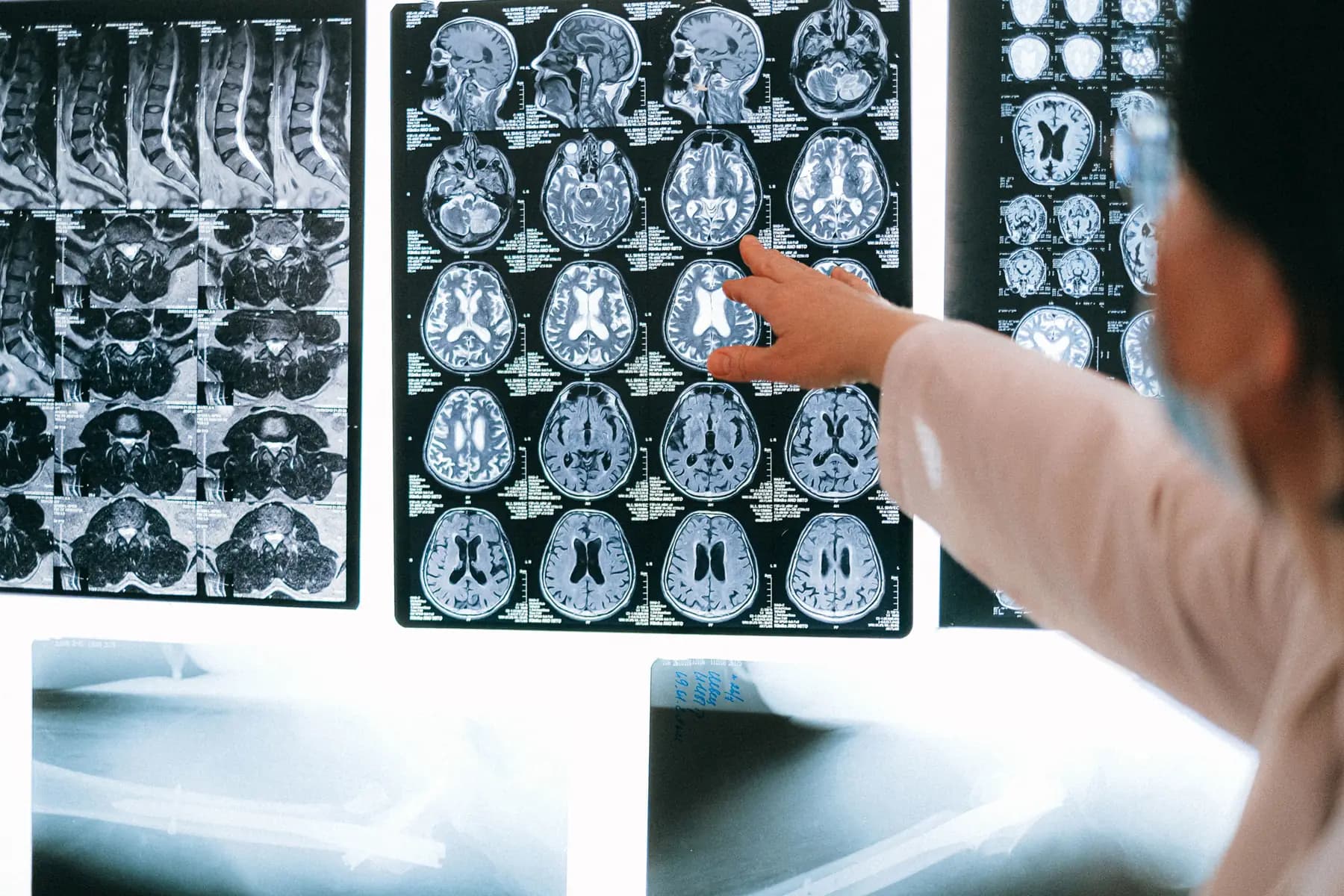
Cognitive Neuroscience & Neuroimaging:
fMRI and EEG signal analysis, neural mechanisms of memory, attention, executive function, and perceptual processing.
Computational Neuroscience & Neuro-AI:
Mathematical brain modelling, neural network simulation, brain-computer interfaces (BCIs), and cognitive AI architectures.
Clinical Neuropsychology & Neurorehabilitation:
Assessment and rehabilitation of cognitive deficits resulting from stroke, traumatic brain injury, and neurodegenerative disorders.
Cognitive Ergonomics & Human-Computer Interaction (HCI):
Neuro-ergonomics, cognitive load optimisation in software/hardware design, and human-in-the-loop system architecture.
Behavioural & Decision Neuroscience:
Neuroeconomics, affective neuroscience, social cognition, and decision-making mechanisms.
Key Admission Prerequisites
For Bachelor's Programs (3–3.5 Years):
School leaving credentials equivalent to the German Abitur (or completion of a 1-year Studienkolleg M-Kurs science or W-Kurs track). Note that public undergraduate psychology tracks are heavily restricted (Numerus Clausus - NC).
For Master's Programs (1.5–2 Years):
A recognised 3-year or 4-year Bachelor's degree in Psychology, Cognitive Science, Neuroscience, Biology, Biomedical Engineering, Computer Science, or Medicine.
ECTS Module Alignment:
Admission committees strictly verify undergraduate credits in empirical research methods, quantitative statistics/psychometrics, experimental design, biopsychology, and neuroanatomy.

Language Proficiency:
English-Taught Programs:
IELTS Academic (6.5 to 7.5+) or TOEFL iBT (88 to 100+).
German-Taught Programs:
TestDaF (TDN 4 in all sections) or Goethe C1 (vital for patient-facing clinical neuropsychology).
Fees Structure for Cognitive Psychology & Neurosciences
Let's plan your path to studying Cognitive Psychology & Neurosciences in Germany
From shortlisting the right research-led university to preparing a standout application, our counsellors guide every step of your journey.
Frequently Asked Questions (FAQs)
Yes. Leading public universities offer fully English-taught M.Sc. programs, including Freie Universität Berlin (M.Sc. Cognitive Neuroscience), Humboldt-Universität zu Berlin (M.Sc. Mind and Brain), University of Tübingen, University of Oldenburg, Ruhr-University Bochum, and Osnabrück University (M.Sc. Cognitive Science).
Entry-level cognitive researchers, neuro-data analysts, usability/UX specialists, and clinical neuropsychology assistants earn average starting salaries ranging from €52,000 to €75,000 per year. Candidates completing a PhD (Dr. rer. nat.) entering neuro-tech firms, pharmaceutical R&D, or AI labs often command starting packages exceeding €80,000 per year.
The Berlin School of Mind and Brain, jointly operated by Humboldt-Universität and FU Berlin, is an elite international research institute. It bridges the gap between philosophy, cognitive psychology, neuroimaging, and computational neuroscience, offering world-class Master's and PhD training.
Yes. Cognitive Neuroscience and Cognitive Science programs in Germany are highly interdisciplinary. Candidates with Bachelor's degrees in Computer Science, Biomedical Engineering, Biology, or Physics are actively recruited, provided their transcript includes basic quantitative, physiological, or cognitive fundamentals.
Curricula emphasise quantitative research tools including Python and R (for statistical modelling and data visualisation), MATLAB / FieldTrip / EEGLAB (for EEG/MEG processing), SPM / FSL / FreeSurfer (for fMRI spatial analysis), PsychoPy / Presentation (for experimental task coding), and SNN / PyTorch (for computational neural networks).
Top employers include:
• Research Institutes: Max Planck Society (e.g., Leipzig, Frankfurt), Helmholtz Association, German Centre for Neurodegenerative Diseases (DZNE), Fraunhofer Institutes.
• Tech, UX & Neuro-AI: Google Brain Berlin, SAP, Tobii Pro, Neural interface startups, automotive human-factors units (BMW, Audi).
• Pharma & Medical Diagnostics: Bayer, Merck KGaA, Boehringer Ingelheim, Siemens Healthineers.
Cognitive Psychology focuses on functional behavioural models of mental processes—how humans perceive, remember, think, and decide—using experimental behavioural tasks. Cognitive Neuroscience focuses on the biological and neural mechanisms underlying those mental processes, relying heavily on brain imaging (fMRI, EEG) and neurophysiology.
For academic research labs, neuro-AI startups, experimental PhD tracks, and international UX agencies, English is the primary working language. However, for patient-facing clinical neuropsychology inside German hospitals (Krankenhäuser) or conducting behavioural studies with local non-English populations, German proficiency (B2/C1 level) is required.
Yes. Non-EU international students can legally work up to 140 full days or 280 half days per calendar year. Working 10 to 20 hours per week as an academic research assistant (HiWi) operating EEG machines, running eye-tracking studies, or preprocessing fMRI datasets in university labs lets you earn €15 to €23/hour while building direct experimental experience.
Not automatically. Germany reformed its Psychotherapy Law (Psychotherapeutengesetz). To train as a licensed Psychotherapist (Psychologischer Psychotherapeut), you must complete a specialised, accredited Clinical Psychology and Psychotherapy Bachelor's and Master's track (Direktstudium). A general M.Sc. in Cognitive Psychology or Cognitive Neuroscience qualifies you for research, industry, and neuropsychological rehabilitation, but not for direct clinical psychotherapy licensure.
Computational Neuroscience is a rapidly expanding track. Students learn to model neural circuit dynamics, simulate synaptic plasticity, and construct biological artificial neural networks, bridging brain research with modern machine learning and AI architecture design.
Explore Other Fields of Study in Germany
Beyond Cognitive Psychology & Neurosciences, EduOptions Germany also guides students
into these high-growth fields.
