
International Business & Management in Germany
Why Study International Business & Management in Germany?
As Europe's economic powerhouse and the world's third-largest exporter, Germany is the ideal operational testing ground for studying International Business & Management (Internationale Betriebswirtschaftslehre). Home to global conglomerates (BMW, Siemens, BASF, DHL, SAP, Adidas) and thousands of highly specialised, world-market-leading mid-sized companies (Mittelstand), Germany offers direct exposure to global supply networks, cross-border corporate governance, and European trade strategy.
World-Class Business Education:
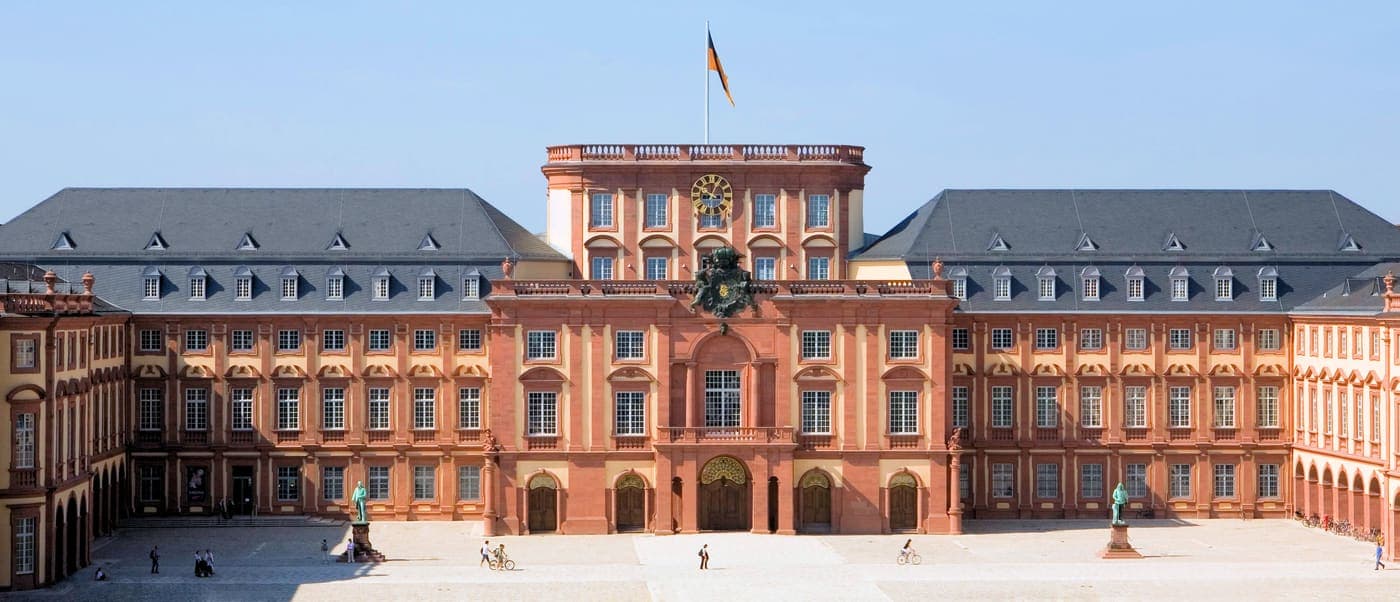
Choose between tuition-free public research universities or specialised private business schools holding elite international accreditations (AACSB, EQUIS, AMBA) with 100% English-taught tracks.
Master the German Mittelstand & Global Trade:
Learn how German firms dominate niche global markets through export strategy, supply chain resilience, high-quality engineering standards, and international joint ventures.
Practical Experience & Mandatory Study Abroad:
Most programs incorporate mandatory corporate internships with international firms, consulting case studies, and dual-degree options with partner universities worldwide.
High Demand & Competitive Earnings:
Graduates are heavily recruited across strategy consultancies, global supply chain operations, and international marketing, commanding starting salaries ranging from €50,000 to €68,000+ per year.
In-Demand Specializations
International Business & Management degrees in Germany allow you to tailor your studies toward high-growth commercial and strategic tracks:
Global Supply Chain Management & Logistics:
International trade compliance, resilient procurement networks, cross-border freight logistics, and sustainable supply chains.
International Financial Management & Corporate Finance:
Cross-border M&A, foreign exchange risk management, international tax strategy, and ESG investment frameworks.
Strategic Management & Management Consulting:
Corporate expansion strategies, market entry analysis, digital transformation leadership, and organisational agility.
International Marketing & Brand Strategy:
Cross-cultural consumer behaviour, global digital marketing, international pricing strategies, and brand positioning.
Digital Business & E-Commerce Operations:
Global platform business models, enterprise digital transformation, cross-border e-commerce, and data-driven business intelligence.
Key Admission Prerequisites
For Bachelor's Programs (3–3.5 Years):
School leaving credentials equivalent to the German Abitur (or completion of a 1-year Studienkolleg W-Kurs business foundation track).
For Master's Programs (1.5–2 Years):
A recognised 3-year or 4-year Bachelor's degree in Business Administration, Economics, International Relations, or a closely related discipline.
ECTS Module Alignment:
Public university admission committees strictly verify underlying undergraduate coursework in micro/macroeconomics, corporate finance, accounting, statistics, and business administration.

Language Proficiency:
English-Taught Programs:
IELTS Academic (6.5 to 7.0+) or TOEFL iBT (88 to 100+).
German Skills:
While instruction is in English, basic to intermediate German (B1/B2 level) is crucial for securing corporate internships and jobs at local enterprises.
Tuition Fees
Let's plan your path to studying International Business & Management in Germany
From shortlisting AACSB/EQUIS-accredited business schools to preparing a standout application, our counsellors guide every step of your journey.
Frequently Asked Questions (FAQs)
An M.Sc. in International Business is a consecutive academic Master's program designed for fresh graduates or early-career professionals (0–1 year of work experience). An MBA (Master of Business Administration) is an executive, post-experience degree that strictly requires 1–3+ years of full-time post-graduation work experience and focuses heavily on executive leadership case studies.
Yes. Several top public universities offer fully English-taught M.Sc. programs in International Business and Management, including the University of Mannheim, Reutlingen University (ESB Business School), FAU Erlangen-Nürnberg, University of Tubingen, and HTW Berlin.
Entry-level business analysts, supply chain coordinators, and international marketing managers earn average starting salaries ranging from €50,000 to €68,000 per year. Roles in Tier-1 strategy consulting, corporate finance, or global supply chain management at large multinationals (such as BMW, DHL, or SAP) often command higher starting offers.
Most public universities and mid-tier private business schools evaluate candidates based on their Bachelor's GPA, transcript credit alignment, and language scores without requiring a GMAT/GRE. However, elite business schools (such as University of Mannheim, WHU, and Frankfurt School) either require or strongly recommend a competitive GMAT Focus or GRE score.
While multinational corporations (like Zalando, Amazon, Adidas, and SAP) and international scale-ups in Berlin or Munich operate primarily in English, learning German (B1 to B2 level) drastically expands your job prospects. Traditional German mid-sized enterprises (Mittelstand) and client-facing consulting roles strongly prefer conversational German skills.
Public German universities strictly enforce ECTS module prerequisites, requiring a Bachelor's degree in Business, Economics, or Management with 30–60 ECTS in core business subjects. However, non-business graduates (STEM, Humanities) can qualify for specialised conversion Master's programs offered by top private business schools (such as GISMA, SRH, or CBS) or public "Business for Engineers/Scientists" tracks.
The Mittelstand consists of highly specialised, mid-sized German enterprises that account for over 60% of all jobs in Germany. Many are global market leaders ("Hidden Champions") in niche industrial manufacturing and trade. They heavily recruit international business graduates to manage export operations, overseas branch expansion, and global client portfolios.
Most 2-year Master's programs and 3.5-year Bachelor's programs in Germany integrate a mandatory 3- to 6-month corporate internship semester. Completing an internship at a German or international firm provides direct industrial exposure and frequently converts into a full-time job offer upon graduation.
Yes. Non-EU international students can legally work up to 140 full days or 280 half days per calendar year. Working 12 to 20 hours per week as a student worker (Werkstudent) as a junior business analyst, market researcher, or supply chain assistant lets you earn €15 to €23/hour while gaining relevant local experience.
Many German public and private business schools offer dual-degree tracks where you spend one year studying in Germany and the second year at an international partner university (in the US, UK, France, or Asia). Upon completion, you graduate with two distinct Master's degrees—one from Germany and one from the international partner institution.
Primary commercial hubs in Germany include:
• Frankfurt: Banking, corporate finance, private equity, and international consulting.
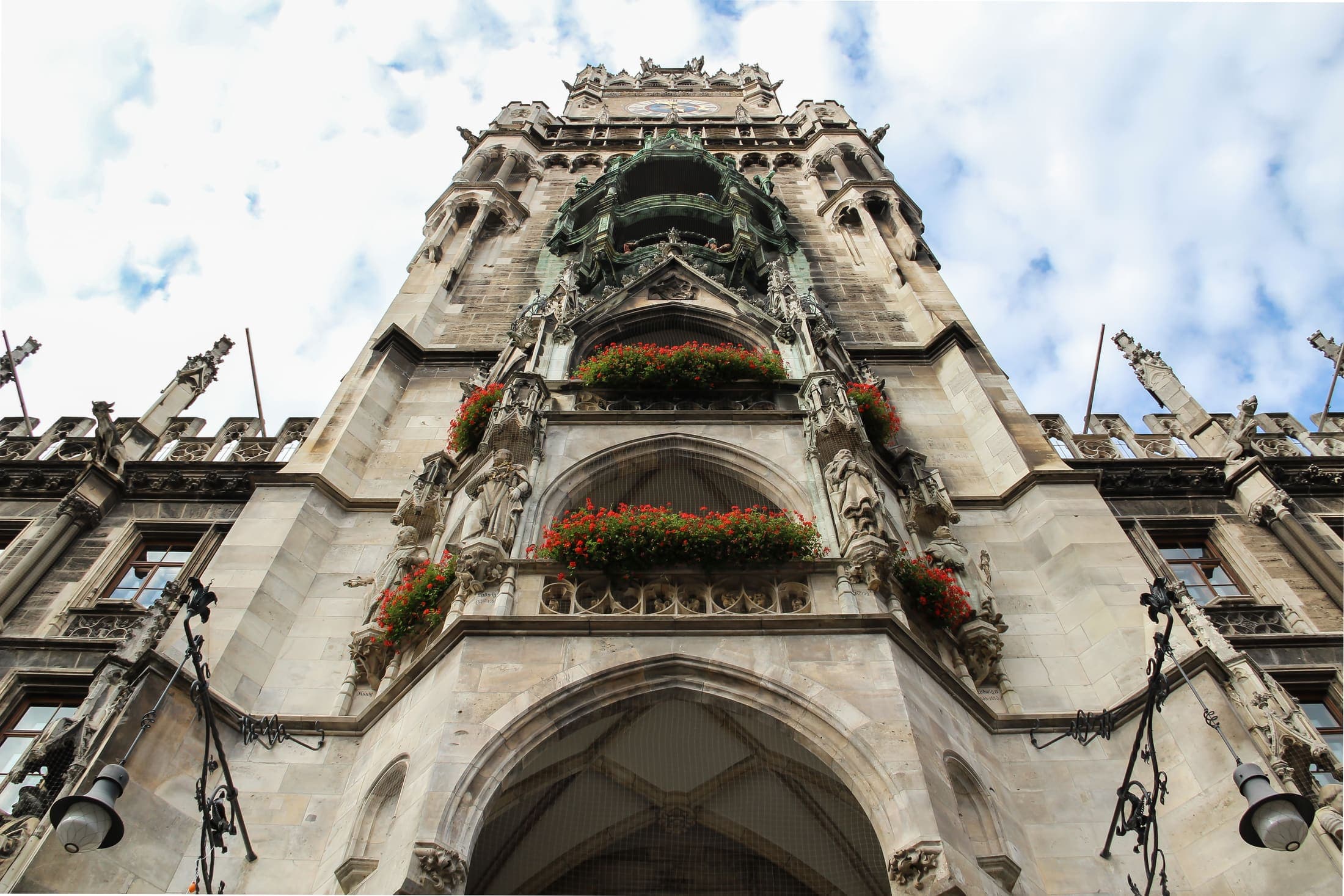
• Munich: Corporate strategy, automotive management, technology management, and venture capital.
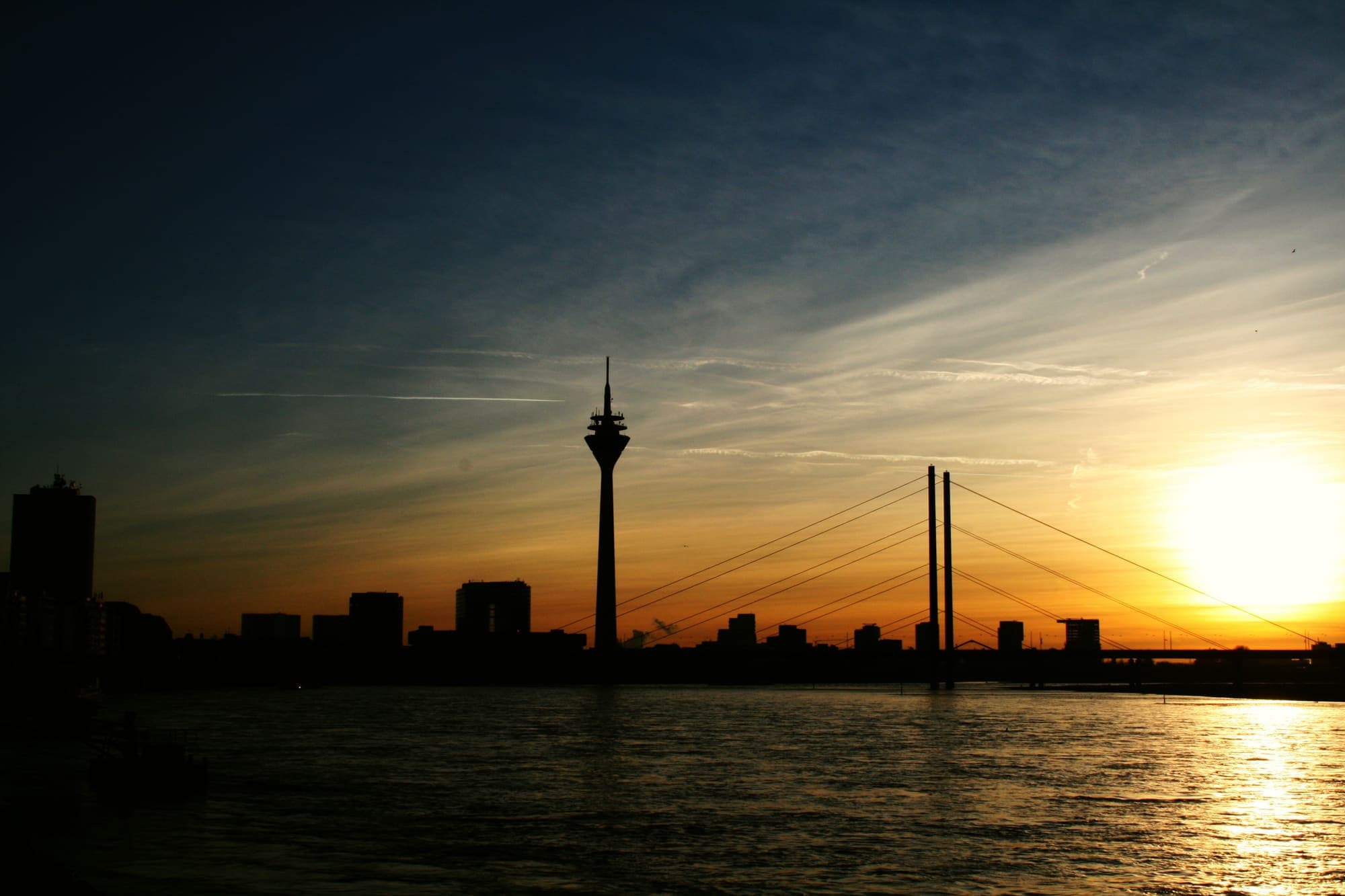
• Hamburg: Global supply chain, maritime trade, e-commerce, and import/export logistics.
• Berlin: Tech scale-ups, global e-commerce, international marketing, and digital entrepreneurship.
• Düsseldorf & Cologne: Consumer goods, international trade fairs, and retail management.
Explore Other Fields of Study in Germany
Beyond International Business & Management, EduOptions Germany also guides students
into these high-growth fields.
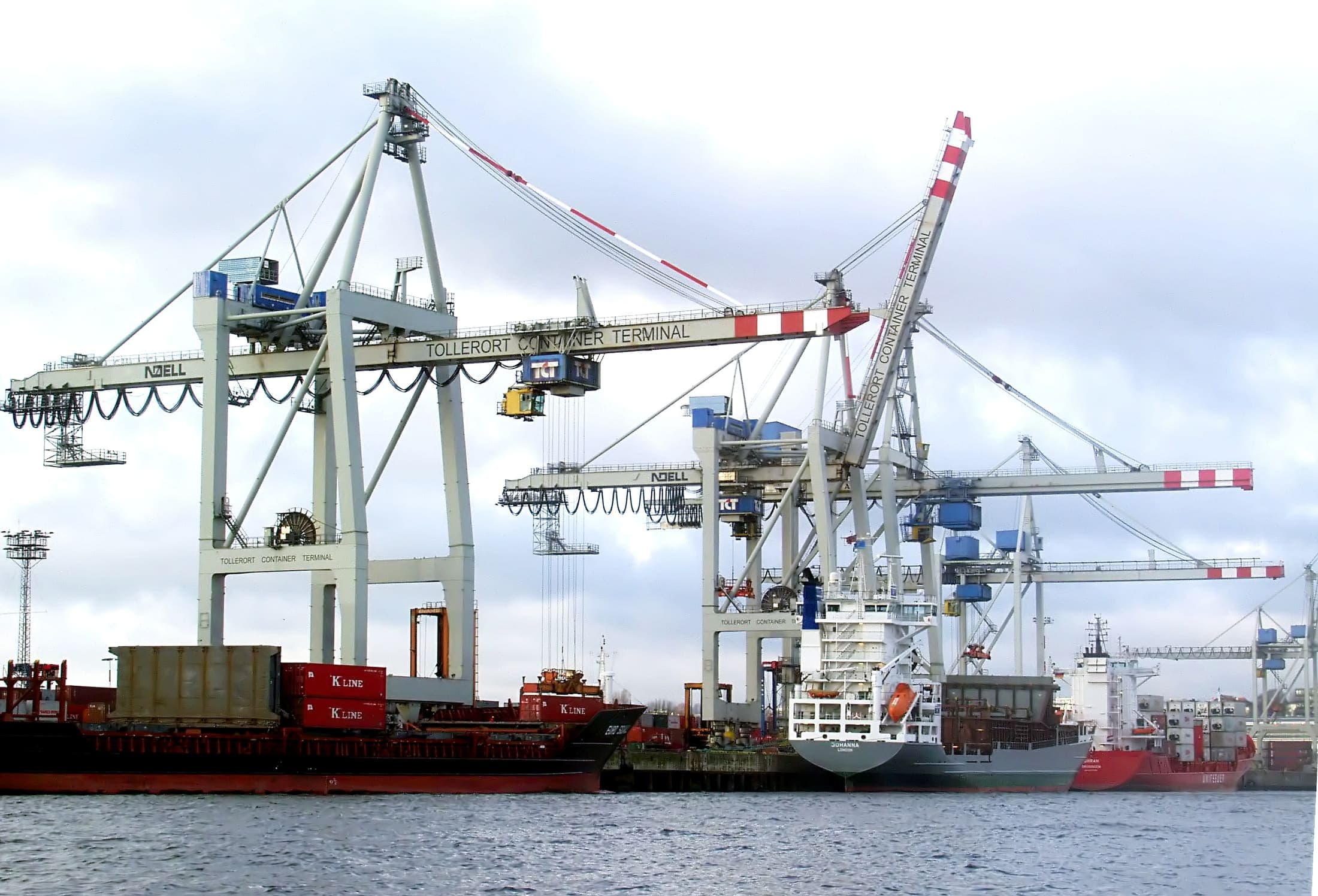
Photo credits: Container terminal, Port of Hamburg by Raimond Spekking, CC BY-SA 4.0; Mannheim Palace, University of Mannheim by Stefanie Eichler, CC BY-SA 3.0; Düsseldorf skyline by QuidoX, CC BY-SA 3.0; RWTH Aachen main building by א (Aleph), CC BY-SA 2.5; Munich New Town Hall, Marienplatz by Dietmar Rabich, CC BY-SA 4.0. Via Wikimedia Commons. All image credits
