
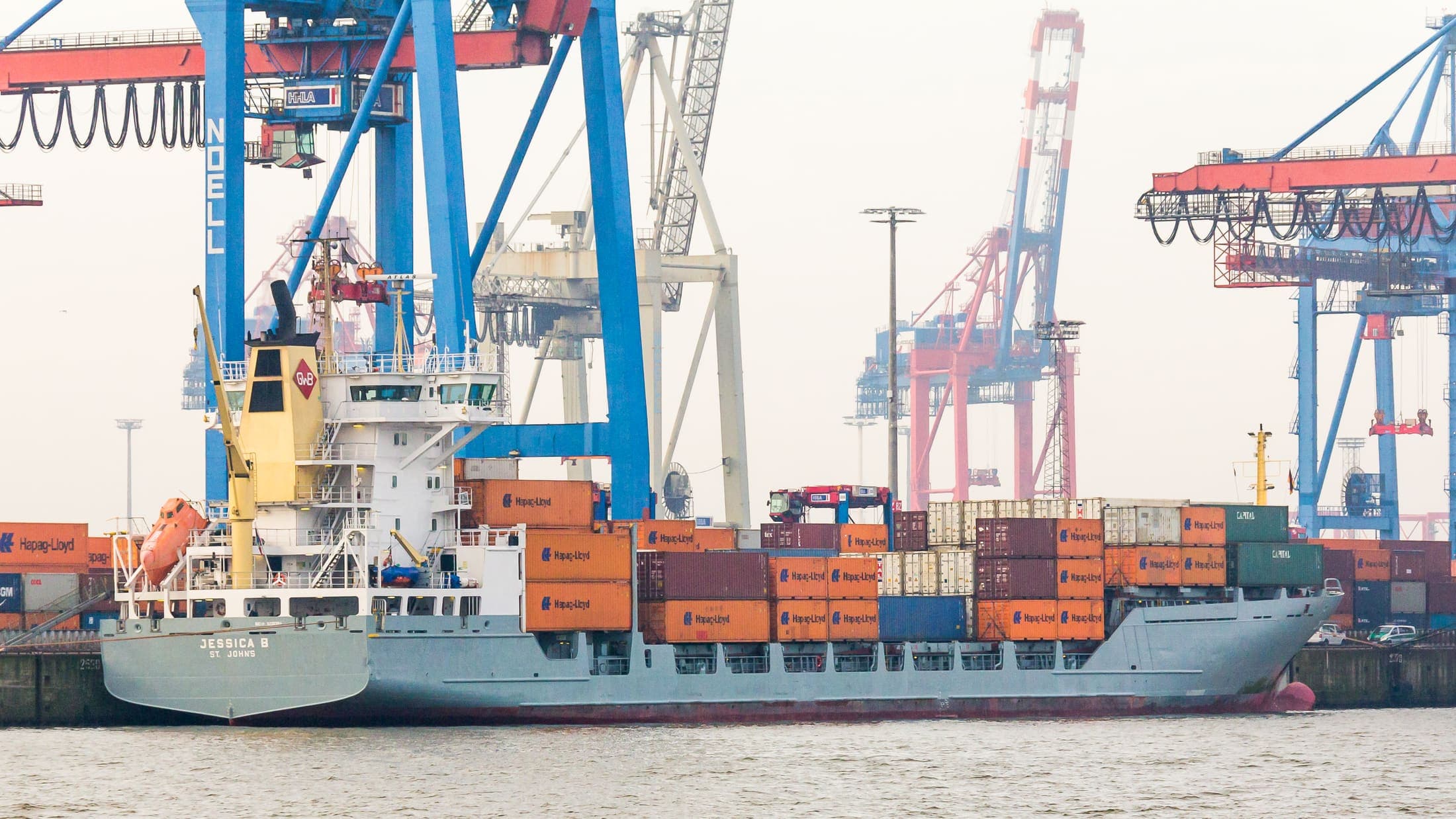
Supply Chain Management & Logistics in Germany
Why Study Supply Chain Management & Logistics in Germany?
Germany is Europe's undisputed logistics power. Situated geographically at the crossroads of European trade corridors, Germany hosts the largest logistics market on the continent—valued at over €280 billion annually. It is the global headquarters for world-leading logistics, freight, and industrial giants, including DHL Group, DB Schenker, Kühne + Nagel, Dachser, Lufthansa Cargo, BMW, and Siemens.
Access to Global Trade Gateways:
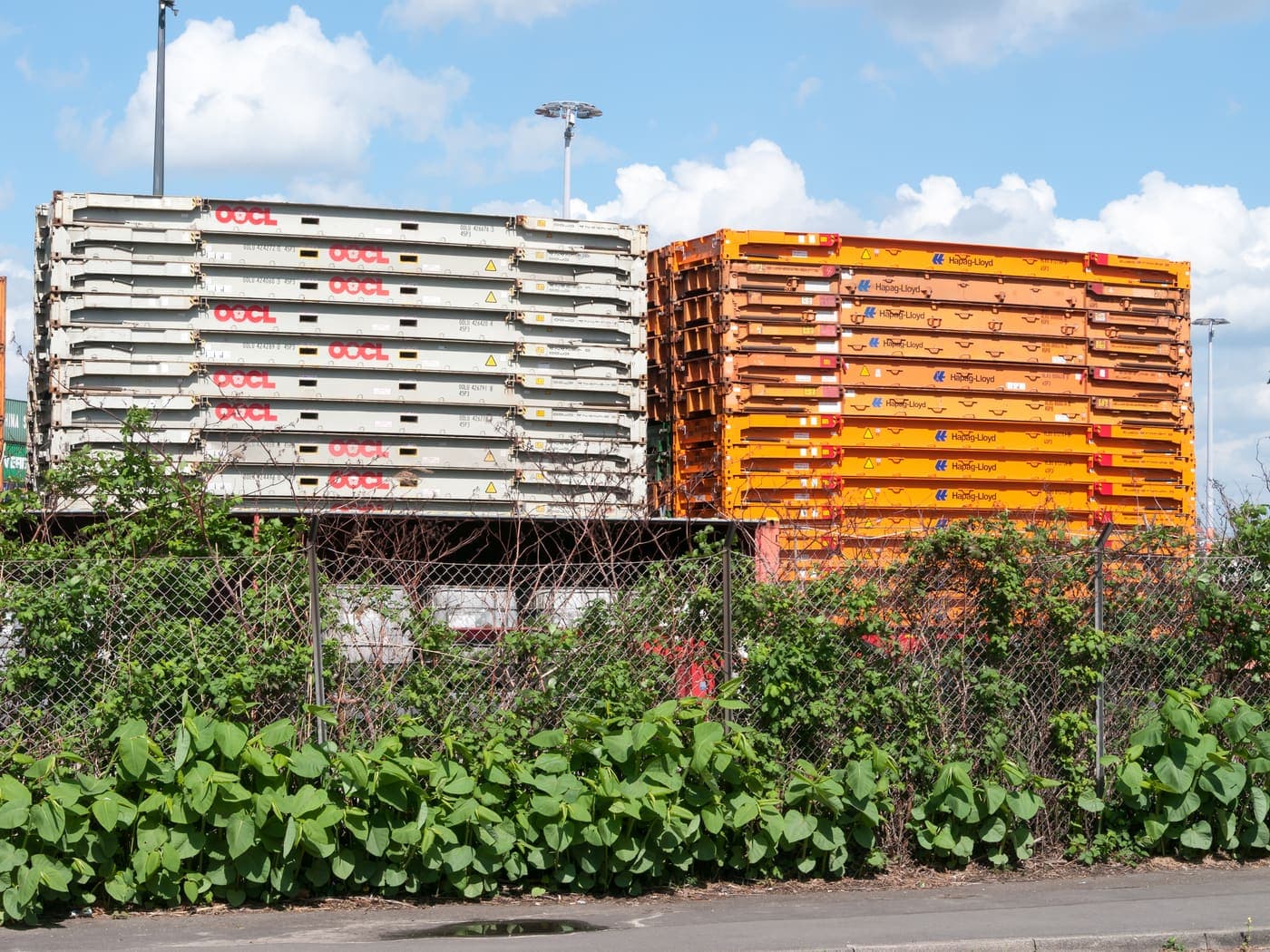
Studying in Germany puts you directly in contact with mega-logistics infrastructures—such as the Port of Hamburg (Europe's third-largest container port), Duisburg (the world's largest inland port), and Frankfurt Airport (Europe's largest air freight hub).
World-Class Education Options:
Choose between tuition-free public technical universities or elite specialised institutions such as Kühne Logistics University - KLU Hamburg, accredited business schools, and specialised universities of applied sciences.
Driven by SCM 4.0 & AI:
German curricula lead global trends by combining core transport logistics with Supply Chain 4.0, warehouse automation, predictive AI demand planning, digital twin supply networks, and SAP ERP systems.
High Demand & High Pay:
As a critical shortage field (Engpassberufe), supply chain experts enjoy streamlined EU Blue Card pathways and starting salaries ranging from €46,000 to €72,000+ per year.
In-Demand Specializations
Supply Chain Management & Logistics degrees in Germany allow you to focus on high-growth technical and strategic tracks:
Digital Supply Chain Management & Industry 4.0:
Digital twin supply chains, IoT sensor networks, automated warehousing, and blockchain tracking.
Global Logistics & International Transport Systems:
Freight forwarding, maritime shipping management, intermodal transport networks, and air cargo analytics.
Sustainable & Green Logistics:
Circular economy networks, carbon-neutral fleet management, reverse logistics, and ESG compliance in global procurement.
Procurement & Strategic Sourcing:
Vendor management, supplier risk mitigation, strategic purchasing, and global trade compliance.
Supply Chain Analytics & Operations Research:
Inventory optimisation algorithms, stochastic demand forecasting, mathematical modelling, and predictive analytics.
Key Admission Prerequisites
For Bachelor's Programs (3–3.5 Years):
High school leaving credentials equivalent to the German Abitur or completion of a 1-year Studienkolleg T-Kurs or W-Kurs business/tech foundation track.
For Master's Programs (1.5–2 Years):
A recognised 3-year or 4-year Bachelor's degree in Supply Chain Management, Logistics, Industrial Engineering, Business Administration, Operations Research, or Transportation Management.
ECTS Module Alignment:
Public university admission committees strictly verify underlying quantitative undergraduate credits in operations management, logistics systems, calculus/statistics, micro/macroeconomics, and procurement.

Language Proficiency:
English-Taught Programs:
IELTS Academic (6.5 to 7.0+) or TOEFL iBT (88 to 100+).
German Skills:
While instruction is in English, intermediate German skills (B1/B2 level) are crucial for operational coordination with warehouse teams, local transport vendors, and German manufacturers.
Tuition Fees
Let's plan your path to studying Supply Chain Management & Logistics in Germany
From shortlisting the right logistics-focused university to preparing a standout application, our counsellors guide every step of your journey.
Frequently Asked Questions (FAQs)
Yes. Leading public technical universities offer fully English-taught M.Sc. programs, including TU Darmstadt (M.Sc. in Logistics and Supply Chain Management), TH Wildau (M.Sc. in Logistics Systems Engineering), RWTH Aachen, and the University of Duisburg-Essen.
Entry-level supply chain analysts, logistics coordinators, and procurement specialists in Germany earn average starting salaries ranging from €46,000 to €72,000 per year. Roles in global supply chain strategy, SAP ERP consulting, or automotive logistics at major OEMs such as BMW, Mercedes-Benz, or DHL often command higher starting salaries.
Logistics Management focuses specifically on the physical transport of goods, warehousing operations, freight forwarding, fleet routing, and inventory control. Supply Chain Management (SCM) is a broader strategic discipline that encompasses the end-to-end value chain—including raw material procurement, supplier relationship management, demand forecasting, production planning, and reverse logistics.
Public university admission committees evaluate applications using strict ECTS credit cutoffs. They check your transcript to ensure you have specific minimum credits in Operations Research / Quantitative Methods, Statistics, Higher Mathematics, and Basic Logistics/Economics. Missing these foundational quantitative credits is a leading cause of rejection.
Yes. STEM and Industrial Engineering graduates (Wirtschaftsingenieurwesen) are highly sought after by German university supply chain faculties. Because engineering programs include heavy higher mathematics, production modelling, and systems engineering credits, engineering graduates qualify easily for technical supply chain and logistics systems engineering tracks.
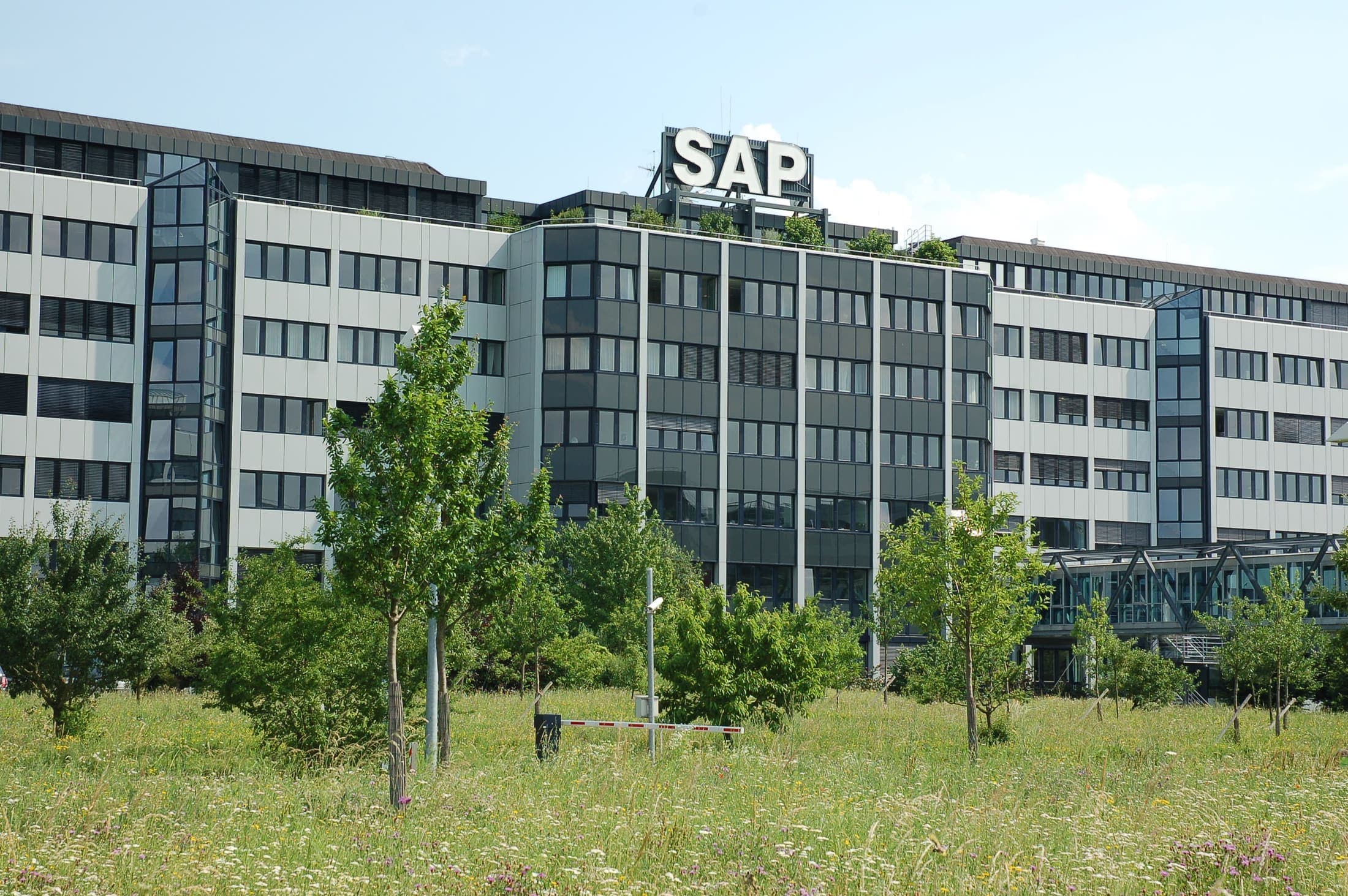
SAP is headquartered in Germany and dominates enterprise resource planning (ERP) globally. German universities integrate hands-on SAP S/4HANA (SD, MM, and PP modules) training directly into their supply chain curricula. Many private and public programs award official SAP student certifications alongside your Master's degree.
Programs emphasise industry-standard tools including SAP S/4HANA (ERP), Python / R (for predictive demand forecasting), AnyLogic / Arena (for discrete-event simulation of warehouses and ports), SQL (database management), Tableau / Power BI (supply chain visualisation), and Gurobi / CPLEX (operations research optimisation solvers).
Primary logistics centres include:
• Hamburg: Maritime shipping hub, port logistics, and international freight forwarding (Kühne + Nagel).
• Frankfurt am Main: Air cargo hub (Frankfurt Airport), global trade, and financial supply chain management.
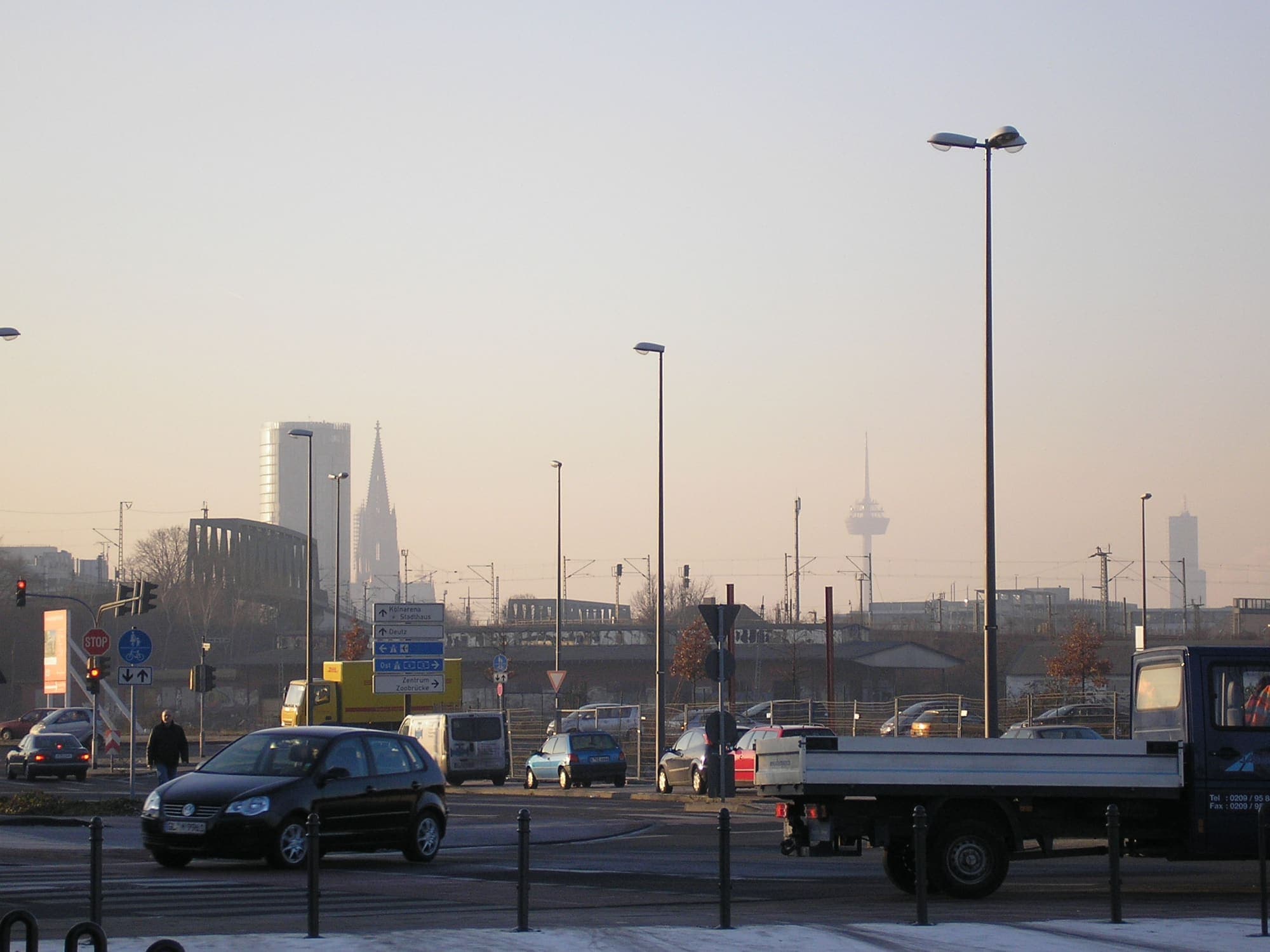
• Duisburg / Cologne (NRW): Home to the world's largest inland port and major distribution hubs.
• Bremen / Bremerhaven: Port logistics, automotive export logistics, and aerospace cargo.
• Bavaria (Munich / Nuremberg): Industrial automotive logistics (BMW, Audi) and smart factory supply chains.
Kühne Logistics University (KLU) in Hamburg is an independent, private research university dedicated specifically to logistics, supply chain management, and leadership. Backed by the Kühne Foundation, it consistently ranks among the top institutions globally for logistics research and offers direct corporate networking with major maritime and freight firms.
Yes. Non-EU international students can legally work up to 140 full days or 280 half days per calendar year. Working 12 to 20 hours per week as a student worker (Werkstudent) as a junior supply chain analyst, procurement assistant, or transport planner lets you earn €15 to €23/hour while gaining direct operational experience.
Most 2-year Master's programs encourage or mandate a 3- to 6-month corporate internship (Praktikum) or an industry-sponsored Master's thesis project. Writing your thesis in partnership with firms like DHL, Lufthansa Cargo, or Porsche provides access to real production data and frequently converts directly into a full-time job offer upon graduation.
Explore Other Fields of Study in Germany
Beyond Supply Chain Management & Logistics, EduOptions Germany also guides students
into these high-growth fields.
Photo credits: Container ship, Burchardkai terminal, Hamburg by Raimond Spekking, CC BY-SA 4.0; Container cranes, Port of Hamburg by Matti Blume, CC BY-SA 4.0; Cologne high-rise skyline by G. Friedrich, CC BY 3.0; RWTH Aachen main building by א (Aleph), CC BY-SA 2.5; SAP headquarters, Walldorf by Vladislav Bezrukov from Walldorf, Germany, CC BY 2.0. Via Wikimedia Commons. All image credits
