
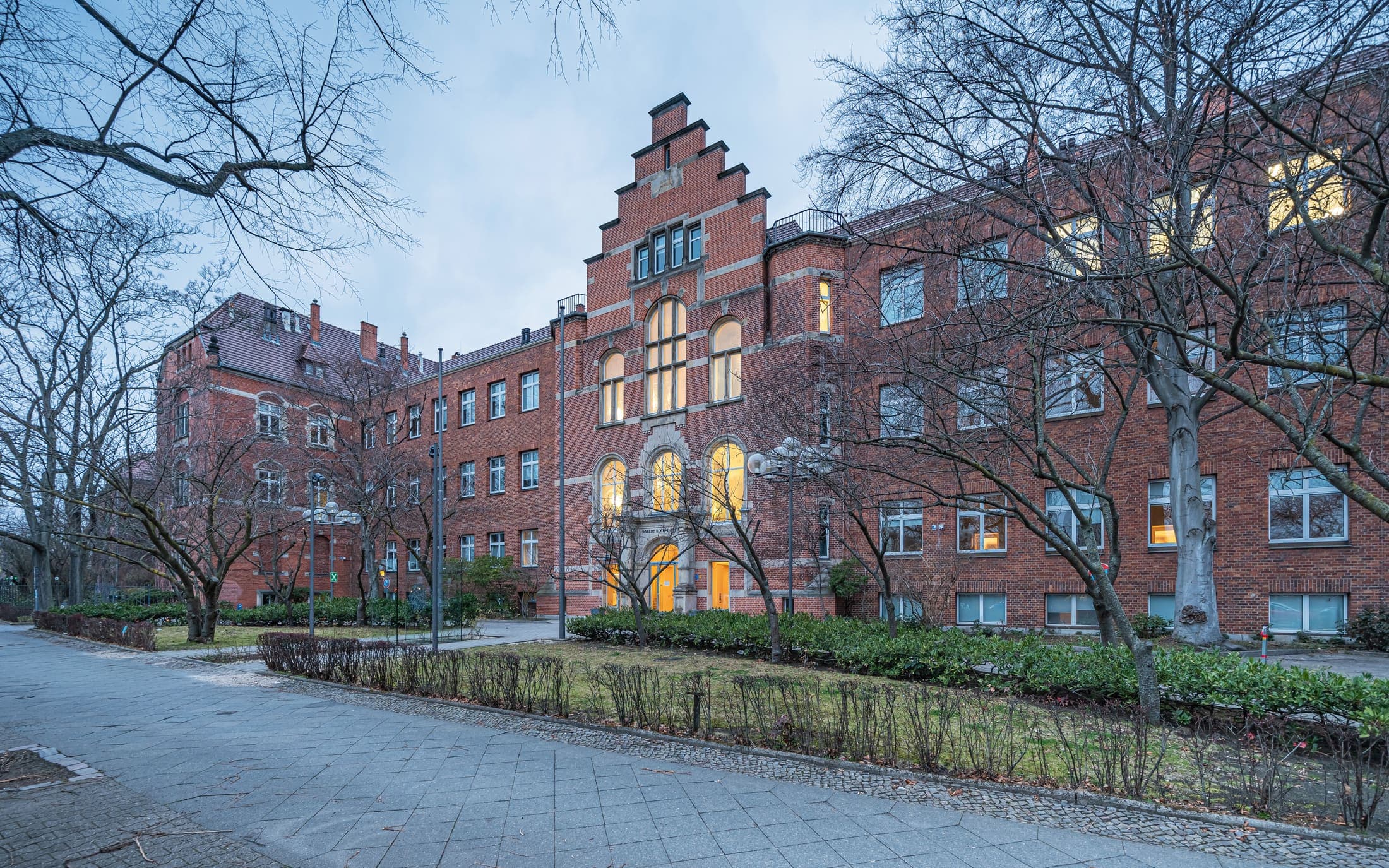
Public Health & Global Health Management in Germany
Why Study Public Health & Global Health Management in Germany?
Germany offers one of the most robust public health infrastructures in the world. Home to top-tier research bodies like the Robert Koch Institute (RKI), the Federal Institute for Drugs and Medical Devices (BfArM), and leading international agencies, Germany is an ideal launchpad for careers in epidemiology, health policy, disease prevention, and global health administration.
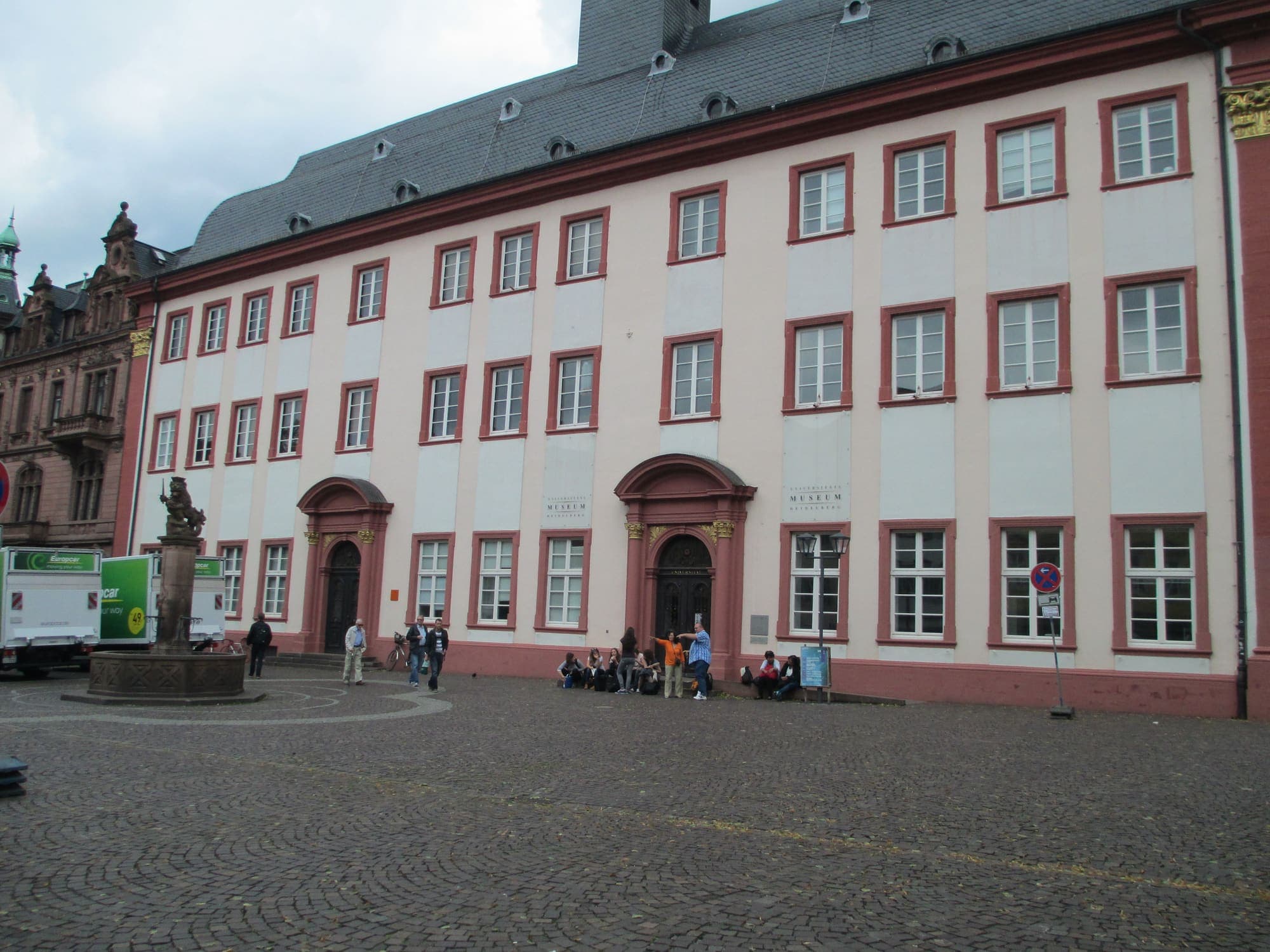
Access to Premier Health Centres:
Study alongside world-renowned medical faculties, university hospitals (Universitätsklinika), and global health research centres such as the Heidelberg Institute of Global Health and Charité – Universitätsmedizin Berlin.
Interdisciplinary & Global Focus:
Programs integrate biostatistics, epidemiology, global health governance, health economics, disaster management, and health equity.
High Career Demand:
Public health, epidemiology, and healthcare administration are classified as critical shortage fields (Engpassberufe), ensuring streamlined EU Blue Card pathways and starting salaries ranging from €48,000 to €72,000+ per year.
In-Demand Specializations
Degrees in Public Health & Global Health Management in Germany allow you to focus on specialised technical, clinical, and policy tracks:

Global Health Governance & Policy:
Health systems design, international health regulations (IHR), global health equity, and policy advisory.
Epidemiology & Biostatistics:
Outbreak investigation, disease surveillance algorithms, biostatistical modelling, and clinical trials management.
Health Economics & Healthcare Management:
Hospital administration, resource allocation, health technology assessment (HTA), and statutory health insurance (GKV) dynamics.
Environmental & Occupational Health:
One Health frameworks, climate change adaptation, occupational safety standards, and environmental toxicology.
Digital Health & Health Informatics:
Telemedicine systems, electronic health records (EHR), public health data analytics, and digital health applications (DiGA).
Key Admission Prerequisites
For Bachelor's Programs (3–3.5 Years):
High school leaving credentials equivalent to the German Abitur (or completion of a 1-year Studienkolleg M-Kurs or W-Kurs foundation track).
For Master's Programs (1–2 Years):
A recognised 3-year or 4-year Bachelor's degree in Public Health, Medicine, Nursing, Life Sciences, Pharmacy, Sociology, or Health Economics.
Professional Experience (Crucial for MPH):
Many specialised Master of Public Health (MPH) or Master of Science in International Health (MScIH) programs require at least 1 year of relevant full-time work experience in healthcare, clinical research, or public policy.

Language Proficiency:
English-Taught Programs:
IELTS Academic (6.5 to 7.0+) or TOEFL iBT (88 to 100+).
German Skills:
Basic-to-intermediate German (B1/B2 level) drastically expands internship and employment opportunities within local public health offices (Gesundheitsamt), NGOs, and hospitals.
Tuition Fees
Let's plan your path to studying Public Health & Global Health Management in Germany
From shortlisting the right public health programme to preparing a standout application, our counsellors guide every step of your journey.
Frequently Asked Questions (FAQs)
Yes. Top German universities offer fully English-taught Master's programs in Public Health, Global Health, and International Health, including Heidelberg University, Charité – Universitätsmedizin Berlin, LMU Munich, Bielefeld University, University of Freiburg, and Hamburg University of Applied Sciences.
For specialised or post-experience MPH/MScIH programs like Heidelberg's MSc in International Health, universities strictly require 1 to 2 years of relevant professional work experience in healthcare, clinical research, or development agencies. However, theoretical or consecutive M.Sc. tracks in Health Sciences (e.g., at TUM or Bielefeld) often admit applicants directly from a Bachelor's degree without work experience.
Entry-level public health advisors, epidemiologists, health policy analysts, and healthcare project managers earn average starting salaries ranging from €48,000 to €72,000 per year. Roles in pharmaceuticals, health economics, or private consulting frequently offer higher compensation packages.
The DAAD EPOS (Development-Related Postgraduate Courses) scholarship is a prestigious, fully funded scholarship for applicants from developing or emerging countries. It covers full tuition, a monthly stipend of €992, travel allowances, and health insurance for specialised programs such as Heidelberg University's MSc in International Health.
Yes. Public Health is inherently interdisciplinary. Many universities accept applicants with backgrounds in Sociology, Psychology, Anthropology, or Political Science, provided their transcript includes coursework in basic research methods, statistics, or health sciences.
The Robert Koch Institute (RKI) is Germany's central federal institution for disease control and prevention. Public health students often collaborate with the RKI for research projects, internships, or guest lecture series, gaining direct experience in real-time infectious disease surveillance and national health policy.
Curricula heavily emphasise quantitative methods using software like R, STATA, SPSS, SAS, and GIS (Geographic Information Systems) for epidemiological mapping and spatial health analysis.
Top employers include:
• Government & Research Bodies: Robert Koch Institute (RKI), BfArM, Federal Ministry of Health (BMG).
• Global & Non-Governmental Agencies: World Health Organisation (WHO Europe offices), Red Cross, Doctors Without Borders (MSF), GIZ (German Development Cooperation).
• Pharma & Consulting: Bayer, Sanofi, Roche, IQVIA, Big Four healthcare consulting practices.
Yes. Non-EU international students can legally work up to 140 full days or 280 half days per calendar year. Working 12 to 20 hours per week as a student worker (Werkstudent) as a junior epidemiological assistant, clinical trial assistant, or health data coder lets you earn €15 to €23/hour while gaining direct operational experience.
An MPH focuses broadly on population health, health policy, disease prevention, and health system administration within national systems. An M.Sc. in Global Health / International Health focuses on cross-border health threats, tropical medicine, health equity in low- and middle-income countries (LMICs), and international health governance.
Yes. Many German Master's in Global Health incorporate mandatory 3- to 6-month field research projects or clinical electives in partner countries across Africa, Asia, or Latin America, frequently funded by university grants or DAAD travel stipends.
Explore Other Fields of Study in Germany
Beyond Public Health & Global Health Management, EduOptions Germany also guides students
into these high-growth fields.
Photo credits: Robert Koch Institute, Berlin by A.Savin, FAL; Alte Universität, Heidelberg by Avi1111 dr. avishai teicher, CC BY-SA 4.0; Charité hospital high-rise, Berlin by Leonhard Lenz, CC0; University of Freiburg, Kollegiengebäude I by Dietmar Rabich, CC BY-SA 4.0; Friedrichstrasse business district, Berlin by Jörg Zägel, CC BY-SA 3.0. Via Wikimedia Commons. All image credits
