

Molecular Medicine in Germany
Why Study Molecular Medicine in Germany?
Molecular Medicine (Molekulare Medizin) bridges the gap between basic life sciences and clinical medicine. Germany is a premier global hub for biomedical research, home to world-renowned research institutes such as the Max Planck Institute of Biochemistry, the German Cancer Research Centre (DKFZ in Heidelberg), the Leibniz Association, and world-leading university hospitals (Universitätsklinika) like Charité Berlin and Uniklinikum Heidelberg.
Elite Biomedical Research:
Study at the forefront of gene therapy, molecular oncology, neurobiology, immunology, and regenerative medicine.
World-Class Public & Private Education:
Access tuition-free public research universities (e.g., University of Göttingen, University of Freiburg, Goethe University Frankfurt, University of Ulm, FAU Erlangen-Nürnberg) offering 100% English-taught tracks.
Intensive Laboratory Rotations:
Curricula heavily emphasise hands-on experimental research, featuring multiple mandatory 8- to 12-week lab rotations (Laborrotationen) in cutting-edge research facilities.
High Career Demand & Ph.D. Pathways:
Graduates are sought after by pharmaceutical giants like Bayer, Merck, Boehringer Ingelheim, BioNTech, CureVac, clinical diagnostic labs, and academic research institutions, benefiting from fast-tracked EU Blue Card pathways and starting salaries ranging from €52,000 to €72,000+ per year.
In-Demand Specializations
Molecular Medicine degrees in Germany allow you to focus on specialised molecular and translational tracks:
Molecular Oncology & Cancer Biology:
Tumour genetics, oncogenic signal transduction, cancer immunotherapy, and targeted molecular therapies.
Immunology & Infection Biology:
Pathogen-host interactions, vaccine development, autoimmune mechanisms, structural virology, and cellular immunology.
Molecular Neurosciences & Neurobiology:
Neurodegenerative disease mechanisms (Alzheimer's, Parkinson's), synaptic plasticity, and molecular neuropathology.
Gene Therapy & Regenerative Medicine:
CRISPR/Cas9 gene editing, stem cell biology, viral vectors, and tissue engineering.
Molecular Diagnostics & Precision Medicine:
Biomarker discovery, next-generation sequencing (NGS), liquid biopsies, and personalised drug targeting.
Key Admission Prerequisites
For Bachelor's Programs (3–3.5 Years):
School leaving credentials equivalent to the German Abitur (or completion of a 1-year Studienkolleg M-Kurs science foundation track).
For Master's Programs (1–2 Years):
A recognised 3-year or 4-year Bachelor's degree (180–240 ECTS) in Molecular Medicine, Biochemistry, Biology, Biotechnology, or Biomedical Science.
ECTS Module Alignment:
Admission committees rigorously verify undergraduate credits in cell biology, biochemistry, molecular genetics, immunology, physiology, organic chemistry, and statistics.
Language Proficiency:
English-Taught Programs:
IELTS Academic (6.5 to 7.0+) or TOEFL iBT (88 to 100+).
German-Taught Programs:
TestDaF (TDN 4 in all sections) or Goethe C1 (if applying for German tracks).
Tuition Fees

Let's plan your path to studying Molecular Medicine in Germany
From shortlisting the right research-led university to preparing a compelling application, our counsellors guide every step of your journey.
Frequently Asked Questions (FAQs)
Yes. Leading public universities offer fully English-taught M.Sc. programs in Molecular Medicine, including University of Göttingen, University of Freiburg, University of Tübingen, University of Ulm, FAU Erlangen-Nürnberg, and Jena University.
Generally, consecutive Master's programs in Molecular Medicine are designed for science graduates (B.Sc. in Biochemistry, Molecular Biology, or Biomedical Science). Medical doctors (M.D. holders) can apply if their transcript contains sufficient laboratory research and wet-lab credits, but many choose dedicated Dr. med. or experimental Ph.D./M.D.-Ph.D. tracks instead.
Entry-level molecular biologists, clinical lab researchers, and biotech specialists earn average starting salaries ranging from €52,000 to €72,000 per year. Completing a PhD (Dr. rer. nat.) often elevates starting packages in the pharmaceutical industry (e.g., BioNTech, Bayer, Merck) to €75,000 – €90,000+ per year.
Most Master's programs in Germany include 2–3 mandatory laboratory rotations, each lasting 8–12 weeks. During these rotations, students gain practical experience by working in active research laboratories at university hospitals and renowned research institutions such as the Max Planck Institutes and DKFZ. They develop hands-on expertise in advanced techniques including Western blotting, CRISPR gene editing, flow cytometry, and cell culture, building strong research skills before beginning their Master's thesis.
Top employers include:
• Global Biotech & Pharma: BioNTech (Mainz), CureVac (Tübingen), Bayer Healthcare (Leverkusen), Merck KGaA (Darmstadt), Boehringer Ingelheim, Roche Diagnostics.
• Clinical Diagnostic Laboratories: Synlab, Limbach Group, Eurofins Scientific.
• Major Research Organizations: Max Planck Society, Helmholtz Association, German Cancer Research Centre (DKFZ), Fraunhofer IBMT.
Curricula emphasise tools such as Python / R (for genomic sequence analysis and RNA-seq data), GraphPad Prism (for statistical biology), PyMOL / Chimera (for protein structural modelling), SnapGene, and ImageJ/Fiji (for fluorescent microscopy image analysis).
No, but it depends on the career path. An M.Sc. in Molecular Medicine qualifies you for industry roles in quality control, clinical study management (CRA), assay development, and diagnostic labs. However, for independent group leader positions, principal investigator (PI) roles, or high-level industrial R&D management, holding a PhD is strongly preferred.
Yes. Non-EU international students can legally work up to 140 full days or 280 half days per calendar year. Working 10 to 20 hours per week as an academic research assistant (Hilfswissenschaftler / HiWi) in university laboratories or biotech incubators lets you earn €15 to €22/hour while gaining direct experimental experience.
Molecular Medicine focuses specifically on human disease aetiology, pathophysiological mechanisms, clinical diagnostics, immunology, and gene-based medical therapies. Molecular Biotechnology has a broader industrial application, focusing on bioprocess engineering, industrial fermentation, plant biotechnology, and biopharmaceutical production pipelines.
Yes. High-achieving international applicants can apply for DAAD Master Studies Scholarships for All Academic Disciplines, which provide a monthly stipend of €992, travel allowances, and health insurance.
Some universities like Freiburg or Tübingen offer a 1-year (60 ECTS) consecutive Master's for students who already completed a 4-year (240 ECTS) Bachelor's degree. Other universities like Göttingen or Ulm offer a standard 2-year (120 ECTS) Master's program for applicants holding a 3-year (180 ECTS) Bachelor's degree.
Explore Other Fields of Study in Germany
Beyond Molecular Medicine, EduOptions Germany also guides students
into these high-growth fields.
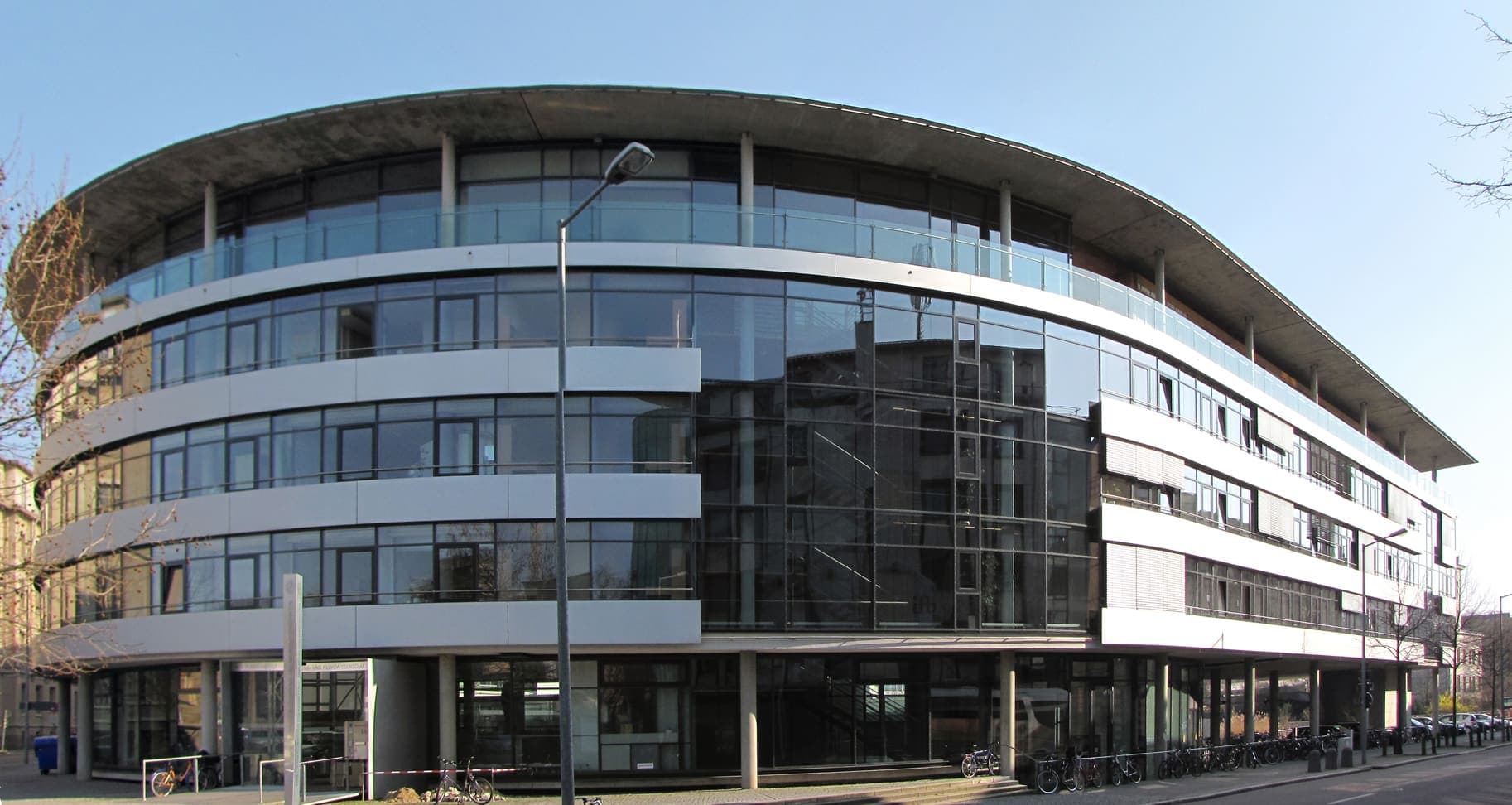
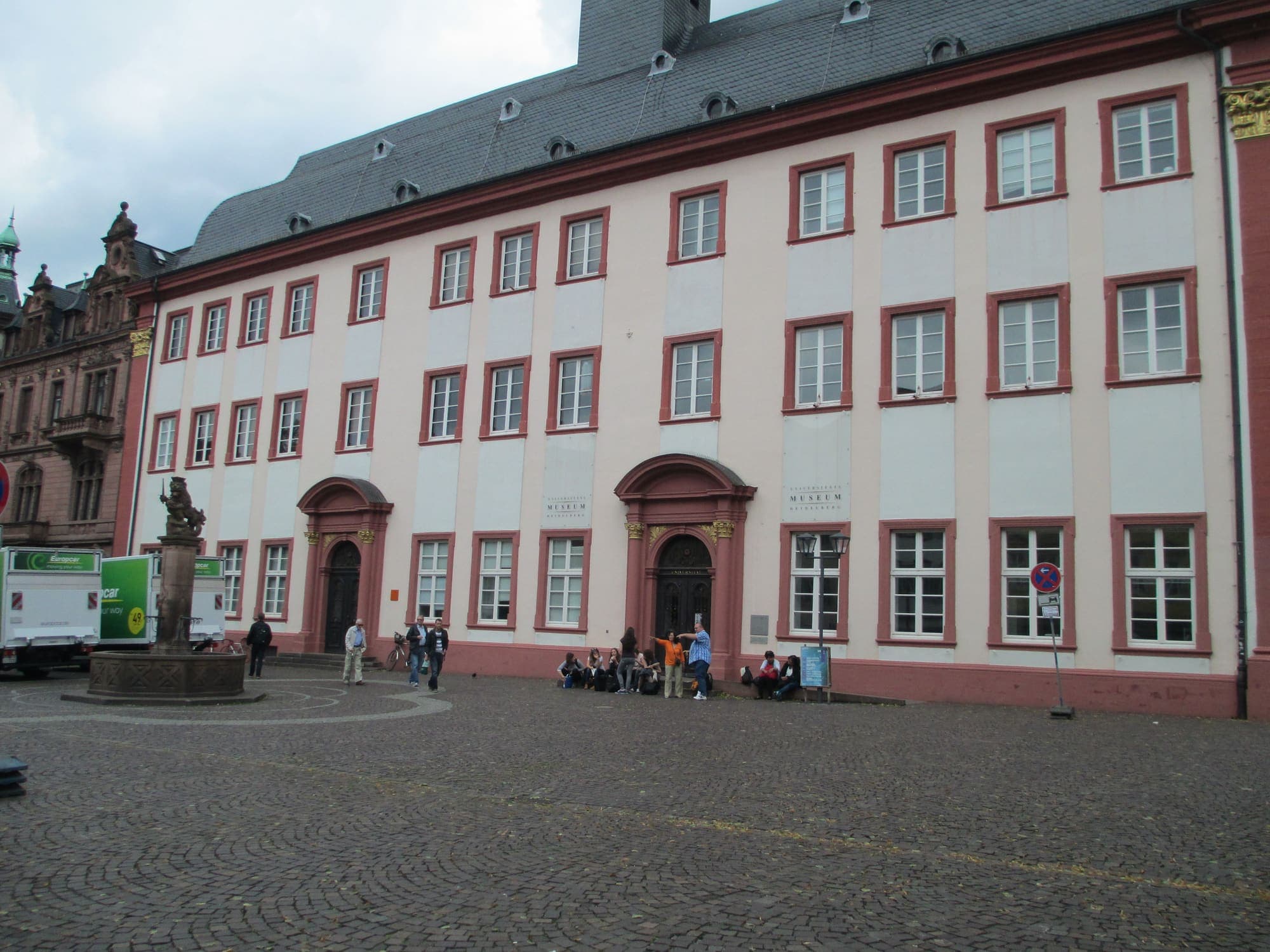
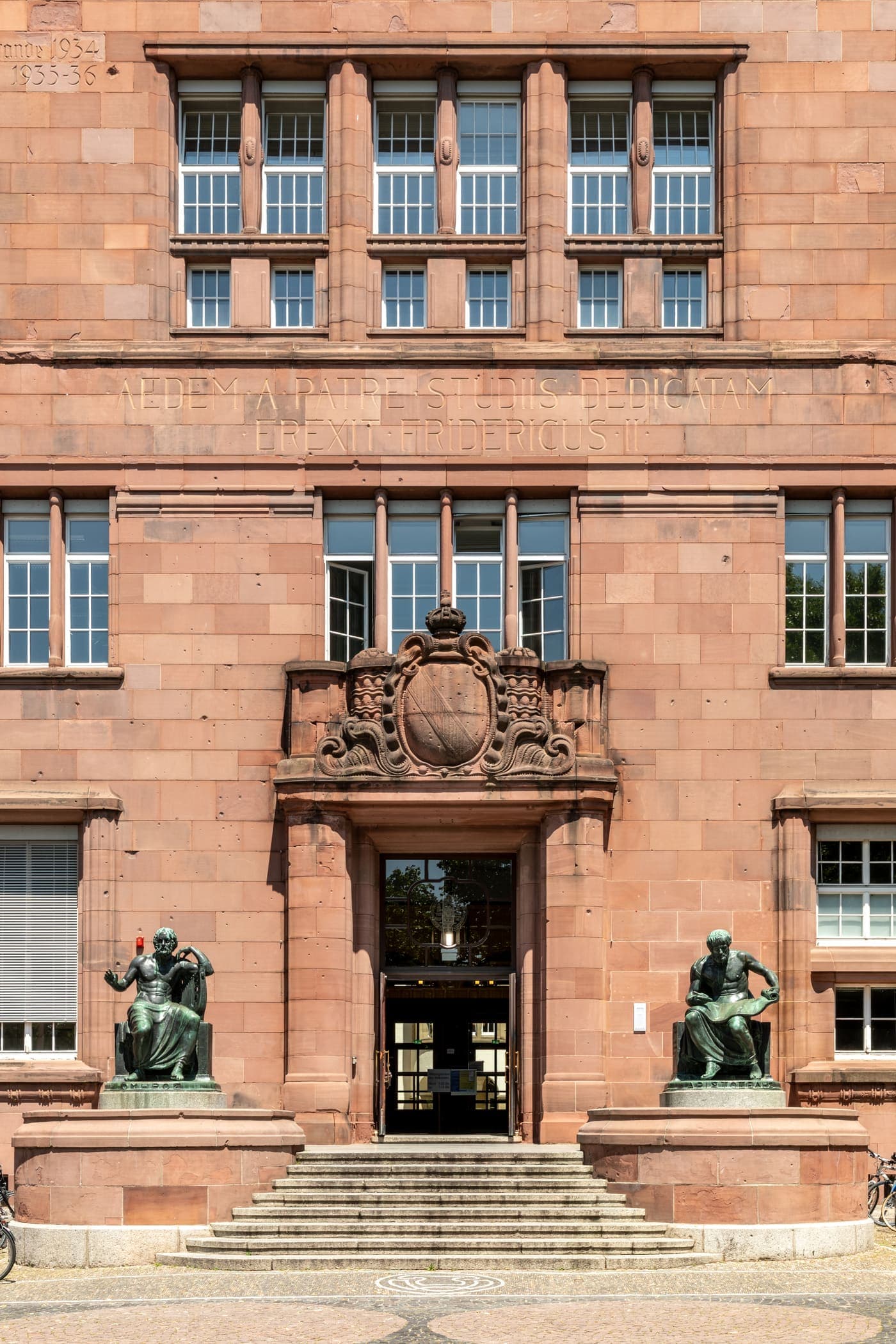
Photo credits: University of Göttingen library by Frank Schulenburg, CC BY-SA 4.0; Max Planck Institute for Human Cognitive and Brain Sciences, Leipzig by Dirk Goldhahn, CC BY-SA 3.0; Alte Universität, Heidelberg by Avi1111 dr. avishai teicher, CC BY-SA 4.0; University of Freiburg, Kollegiengebäude I by Dietmar Rabich, CC BY-SA 4.0; Goethe University Frankfurt, Campus Westend by Common-support, CC BY 4.0. Via Wikimedia Commons. All image credits
