
UNDERGRADUATE OR BACHELORS
Renowned for its high standards of academia across the world, Germany attracts over 250,000 international students globally. That is more than 10% of the entire student population attending German Universities!
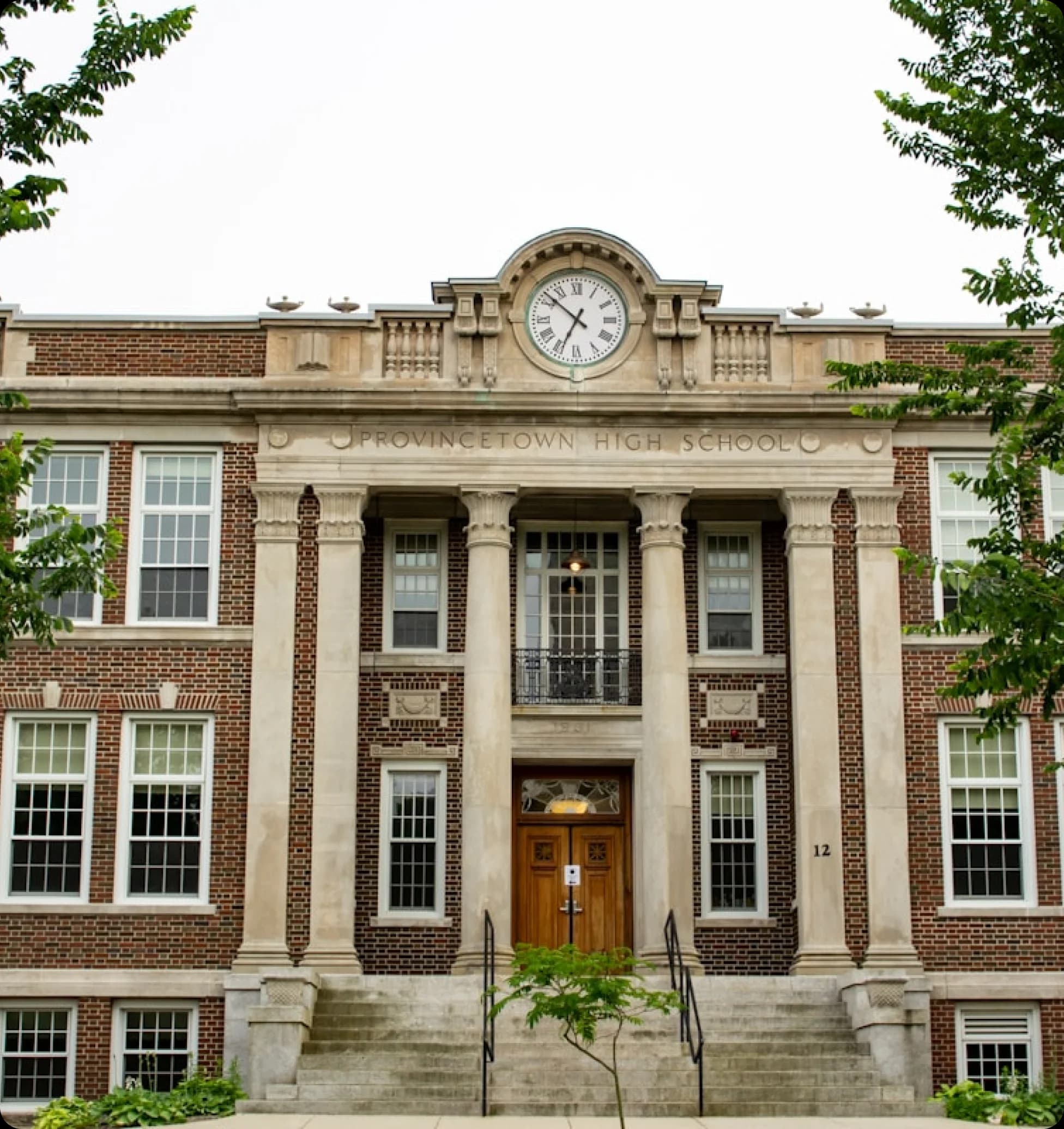
It is no wonder then, that Technical Universities, like RWTH Aachen, TU Darmstadt, KIT, TU Berlin and others, rank among the best in the world, thereby, giving Germany the distinction of having the most, top-ranked universities outside the USA or UK.
German Universities offer internationally recognized Bachelor courses in a variety of subjects such as engineering, aviation, management, medicine, law, social sciences, arts etc., giving students an array to choose from, and an opportunity to learn from the best in class. German companies such as BMW, Bosch, Daimler, and Siemens offer a wealth of opportunities to students interested in all aspects of management be it finance, marketing, engineering and many more areas.
German universities encourage long-term higher education for international students by providing more English study opportunities and lower cost of higher education as compared to UK, USA or Australia. Added to which, the strong Germany economy is equipped to employ most of the educated population. While knowledge of German is not necessary to study in Germany, it helps to have working knowledge of the language, in order to appreciate and enhance the education experience. Hence, it is no surprise that Germany is one of Europe’s top Undergraduate study destination.
Students can apply before the 12th Grade exams for the Bachelor’s degree that consists of 6 or 7 semesters. While IELTS/ TOEFL can be waived off for certain courses and most of the courses are taught in English, students are encouraged to learn the language to appreciate the value of the education and experience. However, certain institutes conduct Mathematics’ exams, at entrance for admission into English taught Bachelors programs. Students require 180ECTS or 210 ECTS credits at the end of the course to clear the program.

Some benefits of pursuing Bachelor’s in Germany include:

Excellent stay back options (18 Months) to search for Jobs or continue studies after completion of the Bachelor degree.
Lucrative career opportunities after completion of the Bachelor’s degree.
Opportunity to do internships in the field of your choice.
Opportunity to start Masters Studies in Germany of anywhere in the World.
World class internship experience – students are given small projects, supervised by an employee at the company, enabling students to develop key skills necessary for a successful career. Allowing interns to gain experience in professional life, project management, business communication, job interview skills, and much more…
Germany offers Bachelor’s Programs in
- • Biomedical Engineering
- • Biosystems Engineering
- • Business for Process & Energy Engineering
- • Business Informatics
- • Chemical Engineering: Molecular & Structural Product Design
- • Chemistry
- • Computational Visualistics
- • Computer Science
- • Computer Systems in Engineering
- • Economic Engineering
- • Environmental and Energy Engineering
- • Electrical Engineering
- • Electrical Engineering & Information Technology
- • Industrial Engineering (Electrical Engineering & IT)
- • Industrial Engineering (Logistics)
- • Industrial Engineering (Mechanical)
- • Information Technology
- • Information Technology – Smart Systems
- • Mathematical Engineering
- • Mathematics
- • Mechanical Engineering
- • Mechatronics
- • Physics
- • Process Engineering
- • Safety and Hazard Defense
- • Sports and Engineering
- • Systems Engineering & Cybernetics
Science Courses
• Biomedical Engineering
• Biosystems Engineering
• Business for Process & Energy Engineering
• Business Informatics
• Chemical Engineering: Molecular & Structural Product Design
• Chemistry
• Computational Visualistics
• Computer Science
• Computer Systems in Engineering
• Economic Engineering
• Environmental and Energy Engineering
• Electrical Engineering
• Electrical Engineering & Information Technology
• Industrial Engineering (Electrical Engineering & IT)
• Industrial Engineering (Logistics)
• Industrial Engineering (Mechanical)
• Information Technology
• Information Technology – Smart Systems
• Mathematical Engineering
• Mathematics
• Mechanical Engineering
• Mechatronics
• Physics
• Process Engineering
• Safety and Hazard Defense
• Sports and Engineering
• Systems Engineering & Cybernetics
• Biomedical Engineering
• Biosystems Engineering
• Business for Process & Energy Engineering
• Business Informatics
• Chemical Engineering: Molecular & Structural Product Design
• Chemistry
• Computational Visualistics
• Computer Science
• Computer Systems in Engineering
• Economic Engineering
• Environmental and Energy Engineering
• Electrical Engineering
• Electrical Engineering & Information Technology
• Industrial Engineering (Electrical Engineering & IT)
• Industrial Engineering (Logistics)
• Industrial Engineering (Mechanical)
• Information Technology
• Information Technology – Smart Systems
• Mathematical Engineering
• Mathematics
• Mechanical Engineering
• Mechatronics
• Physics
• Process Engineering
• Safety and Hazard Defense
• Sports and Engineering
• Systems Engineering & Cybernetics
Business Courses
• Business Sciences
• Business Studies
• Business Informatics
• Economics
• International Business Studies
• Sports Management
• Business Sciences
• Business Studies
• Business Informatics
• Economics
• International Business Studies
• Sports Management
There are plenty of other courses students can apply to at the Undergraduate level.

When to Apply?
Winter Semester: August (course start date) & October
Summer Semester: March / April
Application process must start 6 months prior to course start date.
Contact us to know how we can help you successfully enroll in a Bachelors program of your choice.
Let’s work together to turn your dream of studying in Germany into reality!
Explore our counselling service.

Frequently Asked Questions (FAQs)
The German secondary education qualification (Abitur) spans 13 years, whereas the Indian school system (CBSE, ICSE, State Boards) spans 12 years. To bridge this gap, Indian students can qualify through one of four pathways:
1. Complete a 1-year Studienkolleg (preparatory foundation course) in Germany and pass the Feststellungsprüfung (FSP).
2. Complete 1 academic year (2 semesters) of a recognised Bachelor's degree in a relevant discipline at an accredited university in India.
3. Pass the JEE Advanced exam (for direct entry into STEM/engineering programs at participating universities).
4. Complete an IB Diploma or A-Levels with specific subject combinations recognised directly by German university standards.
At public universities across 15 of Germany's 16 federal states, Bachelor's degree programs charge €0 tuition fees for both domestic and international non-EU students. Students only pay a mandatory semester contribution (Semesterbeitrag) ranging between €150 and €400 per semester, which covers administrative costs and includes a regional public transportation ticket (Semesterticket).
Note: The state of Baden-Württemberg charges non-EU international students €1,500 per semester at public institutions.
A Studienkolleg is a 1-year full-time preparatory foundation course provided by German universities to align foreign 12-year school qualifications with the German 13-year system. It combines German language training with subject-specific coursework to prepare students for undergraduate studies.
Studienkolleg programs are divided into four specialised academic tracks based on your intended undergraduate major:
• T-Kurs: For Engineering, Mathematics, Physics, and technical majors.
• W-Kurs: For Business Administration, Economics, and Social Sciences.
• M-Kurs: For Medicine, Biology, Pharmacy, and Life Sciences.
• G-Kurs / S-Kurs: For Humanities, Fine Arts, German Studies, and Language
Yes. While many undergraduate degrees in Germany are taught in German, public and state-accredited private universities offer a growing selection of 100% English-taught Bachelor's degrees in fields like Computer Science, Data Science, Business Administration, Digital Business, and International Engineering. Public university spots in English-taught programs are highly competitive and generally require a 12th-grade score of 80% to 85%+ alongside an IELTS score of 6.5+.
For direct entry into a German-taught Bachelor's program, universities require C1 level German proficiency (certified via TestDaF, DSH-2/DSH-3, telc C1 Hochschule, or Goethe-Zertifikat C1). For entering a Studienkolleg first, applicants typically need a certified B1 or B2 level in German.
Standard Bachelor's degree programs (B.Sc., B.Eng., B.A.) at German public universities take 3 to 3.5 years (6 – 7 semesters) to complete, carrying 180 to 210 ECTS credits. Many programs include a mandatory practical semester (Praxissemester) or a bachelor's thesis collaboration with an industrial company.
For competitive public universities and Studienkollegs, applicants generally need a minimum of 70% to 85% in their Higher Secondary Certificate (10+2). Specific majors (such as Medicine or Computer Science) operate under restricted admissions (Numerus Clausus / NC), requiring higher academic scores.
The German federal government mandates a Blocked Account (Sperrkonto) amount of €11,904 per year (or €992 per month) as proof of financial resources for a student visa. This monthly amount covers rent, food, utilities, health insurance, and personal expenses.
Yes. All Indian applicants holding Class 12 board marksheets (or 1st-year university transcripts) must obtain an official APS Certificate (Akademische Prüfstelle) from the German Embassy in New Delhi. The APS certificate verifies document authenticity and is required for university enrollment and German student visa applications.
EduOptions Germany provides step-by-step guidance for high school graduates:
• Evaluating Class 12 marks to determine direct entry vs. Studienkolleg pathways.
• Selecting the correct Studienkolleg track (T, W, M, or G-Kurs).
• Managing APS certificate filing and document authentication.
• Application submissions via Uni-Assist or direct university portals.
• Blocked Account setup (€11,904), health insurance, and VFS student visa filing.
• Pre-departure orientation and post-arrival settlement assistance in Germany.
