
Industrial Engineering in Germany
Why Study Industrial Engineering in Germany?
Industrial Engineering in Germany—known nationally as Wirtschaftsingenieurwesen—is one of the country's most respected interdisciplinary degree paths. Bridging the gap between technical engineering design and strategic business management, this program prepares graduates to optimise complex supply chains, lead smart manufacturing transformations, and manage technical operations across Europe's industrial leaders.
High Interdisciplinary Value:
Gain dual expertise in advanced engineering sciences (mechanical, electrical, or computer science) alongside corporate finance, operations research, and strategic management.
World-Class Education Options:
Choose between tuition-free public universities or specialised private business-and-tech institutions offering 100% English-taught tracks and flexible intake dates.
Driven by Industry 4.0 & Supply Chain Transformation:
German industrial giants rely on industrial engineers to lead smart factory integration, sustainable logistics, product lifecycle management, and global procurement.
Exceptional Career Mobility & High Earnings:
As a core shortage occupation (Engpassberufe), industrial engineering graduates enjoy streamlined EU Blue Card pathways and competitive entry-level salaries ranging from €45,000 to €65,000+ per year.
In-Demand Specializations
Industrial Engineering & Management degrees in Germany allow you to tailor your curriculum toward high-growth technical and business tracks:
Supply Chain Management & Global Logistics:
Procurement strategies, warehouse automation, international freight networks, and resilient supply network design.
Operations Research & Data-Driven Decision Making:
Mathematical optimisation, stochastic modelling, predictive analytics, and simulation of industrial systems.
Production Engineering & Smart Manufacturing:
Industry 4.0 automation, lean production systems, quality management (Six Sigma), and digital twin factory modelling.
Innovation & Technology Management:
Technology forecasting, product design management, R&D strategy, and venture creation in technical sectors.
Sustainable Energy & Environmental Operations:
Carbon-neutral supply networks, circular economy frameworks, energy efficiency in production, and green supply chains.
Key Admission Prerequisites
For Bachelor's Programs (3–4 Years):
School leaving credentials equivalent to the German Abitur (or completion of a 1-year Studienkolleg T-Kurs or W-Kurs foundation track).
For Master's Programs (2 Years):
A recognised 3-year or 4-year Bachelor's degree in Industrial Engineering, Mechanical Engineering, Electrical Engineering, or Business Administration with strong quantitative modules.
ECTS Credit Split Verification:
Public university admission committees rigorously verify prerequisite credits in higher calculus, linear algebra, mechanics/physics, and core business/economics modules.
Language Proficiency:
English-Taught Programs:
IELTS Academic (6.0+) or TOEFL iBT (80+).
German-Taught Programs:
TestDaF (TDN 4 in all sections) or Goethe-Zertifikat C1.
Tuition Fees
Let's plan your path to studying Industrial Engineering in Germany
From shortlisting the right Wirtschaftsingenieurwesen programme to preparing a standout application, our counsellors guide every step of your journey.
Frequently Asked Questions (FAQs)
Wirtschaftsingenieurwesen is the official German term for Industrial Engineering and Management. The curriculum is typically structured with a 60/40 or 50/50 balance between Engineering Sciences (mechanical, electrical, or process engineering) and Business Economics/Management (finance, supply chain, marketing, and operations research).
Yes. Public universities offer English-taught Master's degrees in Industrial Engineering and Management, including Karlsruhe Institute of Technology (KIT), TU Clausthal, University of Duisburg-Essen, and TU Berlin.
Yes. Many German universities welcome engineering graduates into Industrial Engineering Master's programs. If your undergraduate transcript lacks foundational business/economics ECTS credits, the university may issue a conditional offer (mit Auflagen), requiring you to complete 1 or 2 bridging modules in economics or business management during your first year.
Entry-level industrial engineering graduates in Germany earn average starting salaries between €45,000 and €65,000+ per year. Salary levels depend on company size, location (e.g., Munich, Stuttgart, Frankfurt offer higher pay), and specialised focus (such as supply chain strategy or technology consulting).
Public universities evaluate applications using a strict module-matching formula. They check that your Bachelor's transcript contains specific minimum credit thresholds in Higher Mathematics/Statistics, Engineering Fundamentals (thermodynamics, mechanics, or circuits), and Economics/Operations Research.
Industrial engineers are highly recruited across diverse sectors:
• Automotive & Manufacturing: BMW, Mercedes-Benz, Volkswagen, Bosch, Siemens.
• Logistics & E-Commerce: Deutsche Post DHL, FedEx, Lufthansa Cargo, Zalando.
• Management & Tech Consulting: McKinsey, BCG, EY, PwC, Accenture, Roland Berger.
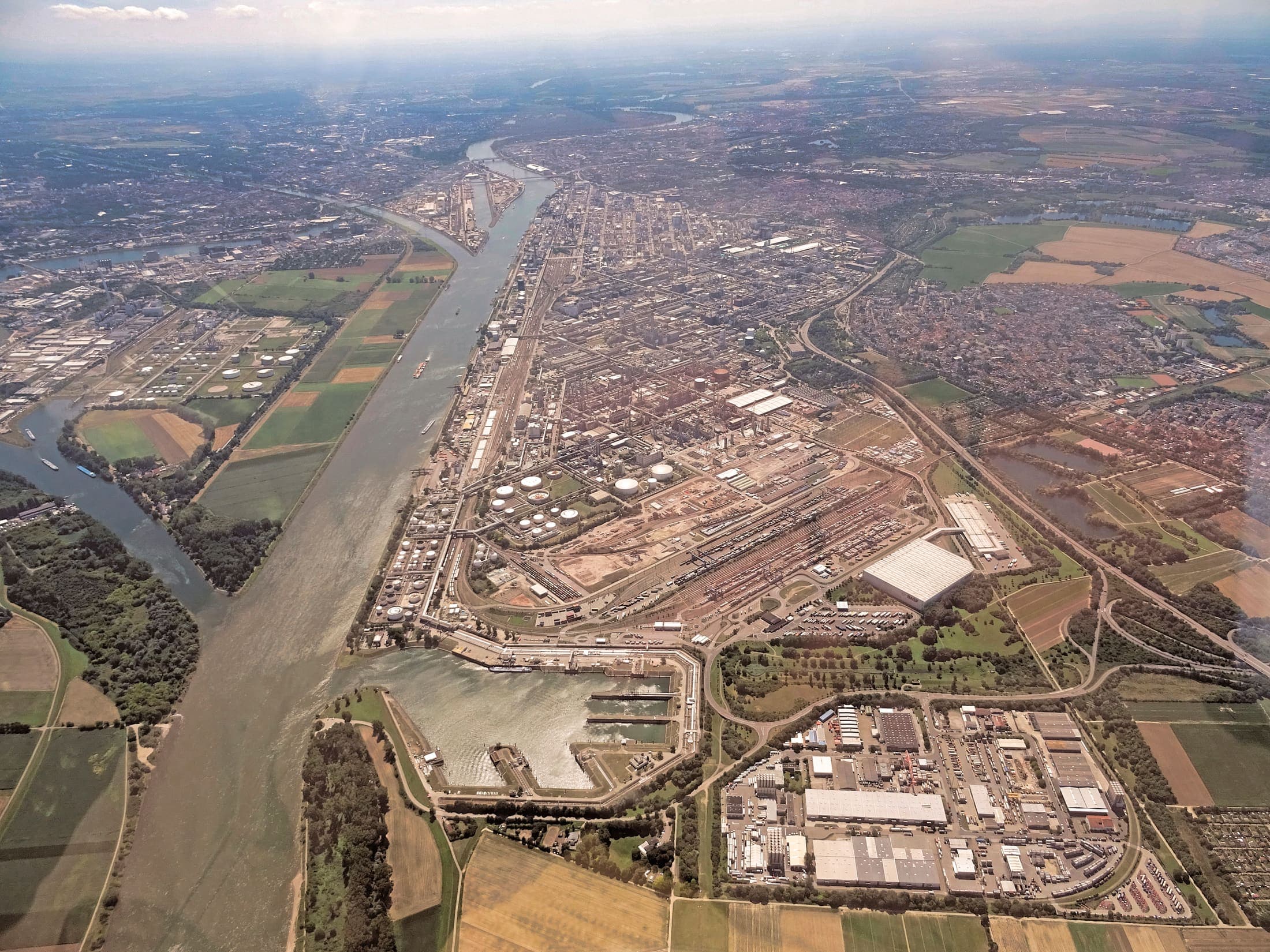
• Chemicals & Energy: BASF, Bayer, E.ON, RWE.
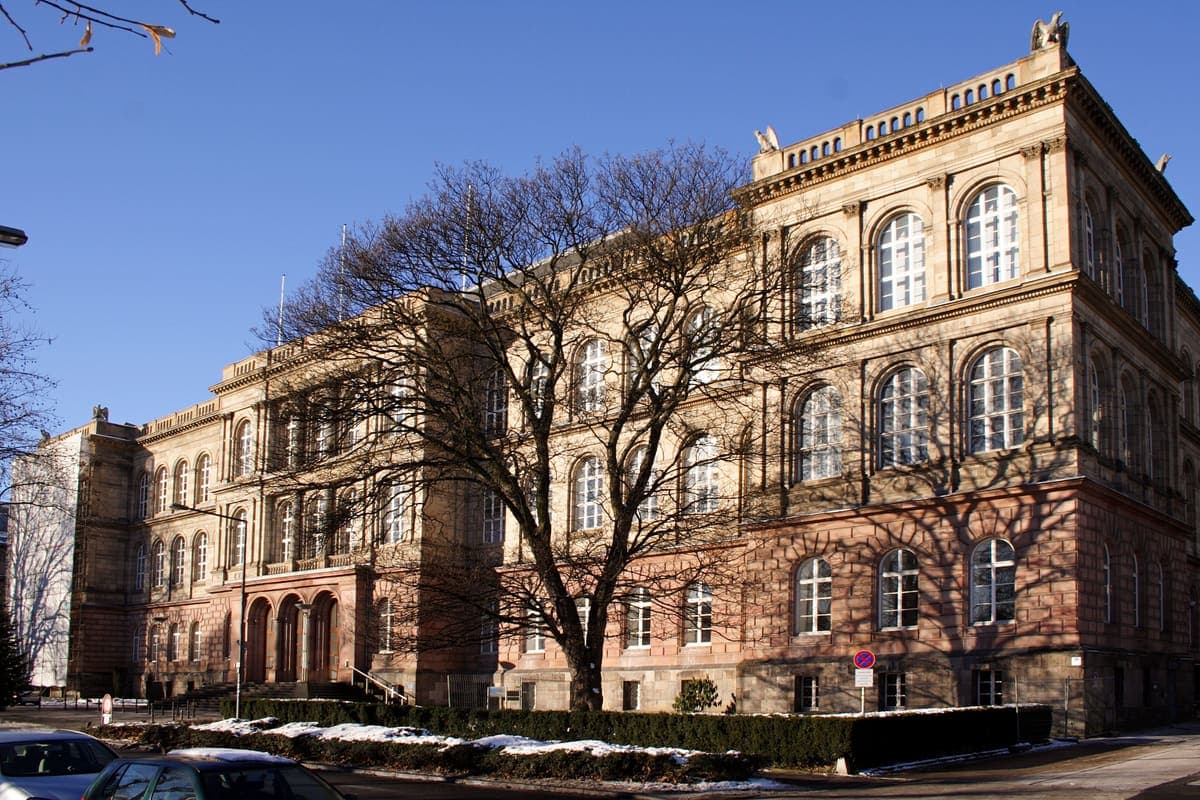
Most public and private universities in Germany do not require the GRE or GMAT for engineering degrees. However, a select few competitive institutions (such as RWTH Aachen and TU Munich) either require or strongly recommend a GRE/GMAT quantitative score to bolster non-EU applications.
Curricula focus on practical industry tools including SAP ERP, Python and R for data analytics, MATLAB / Simulink, AnyLogic or Arena for discrete-event simulation, Tableau/Power BI for business intelligence, and Six Sigma / Lean Manufacturing quality methodologies.
Yes. International students are legally permitted to work up to 140 full days or 280 half days per calendar year. Working 12 to 20 hours per week as a student worker (Werkstudent) in logistics, supply chain analytics, or operations management allows you to earn €14–€22/hour while gaining direct industry experience.
The highest demand is currently in Supply Chain & Logistics Resiliency, Industry 4.0 Digitalisation, Sustainable Operations & Carbon Accounting, and Operations Research / Data Analytics, driven by global supply chain restructurings and green transformation mandates across European industries.
Explore Other Fields of Study in Germany
Beyond Industrial Engineering, EduOptions Germany also guides students
into these high-growth fields.
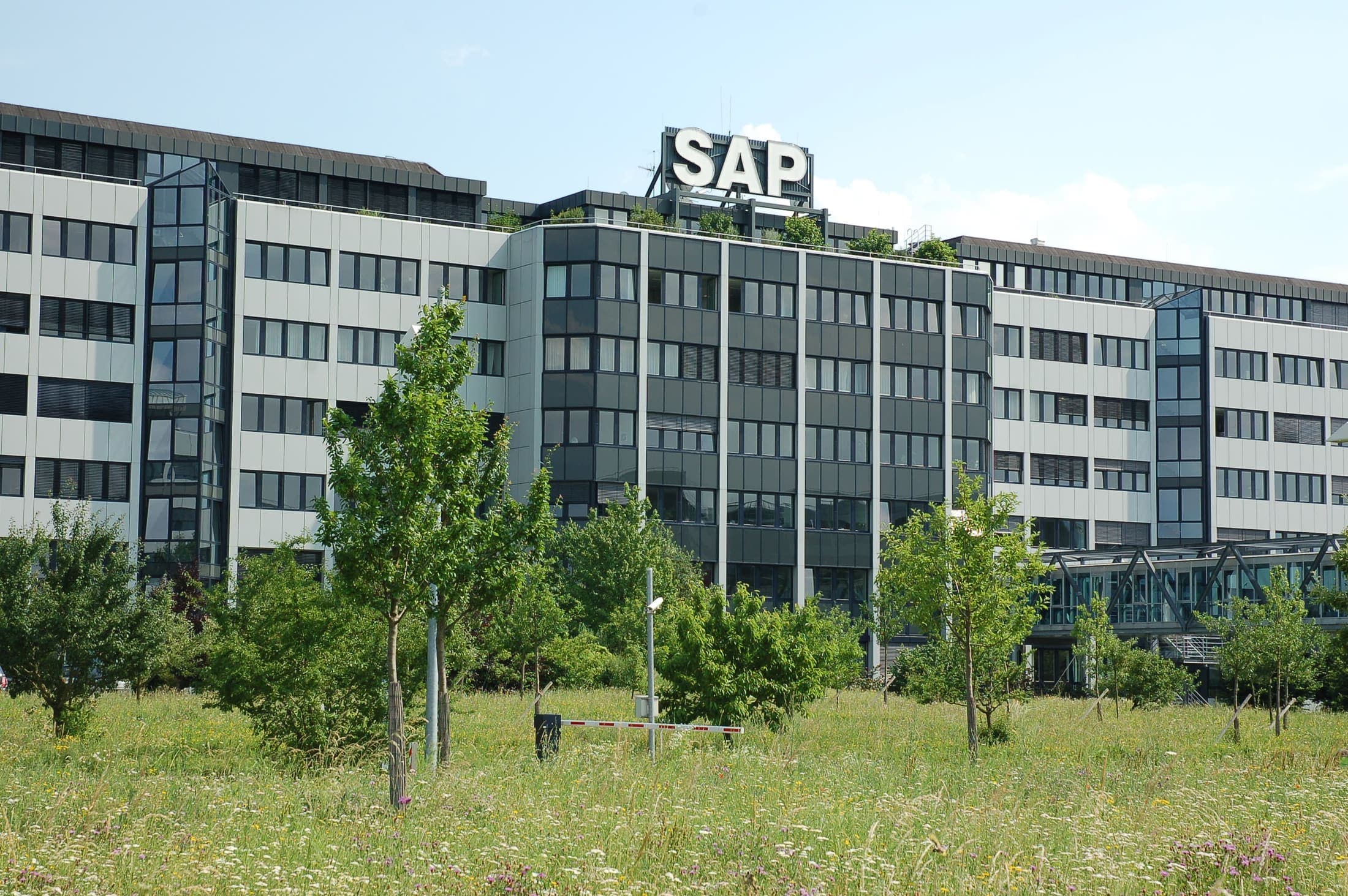
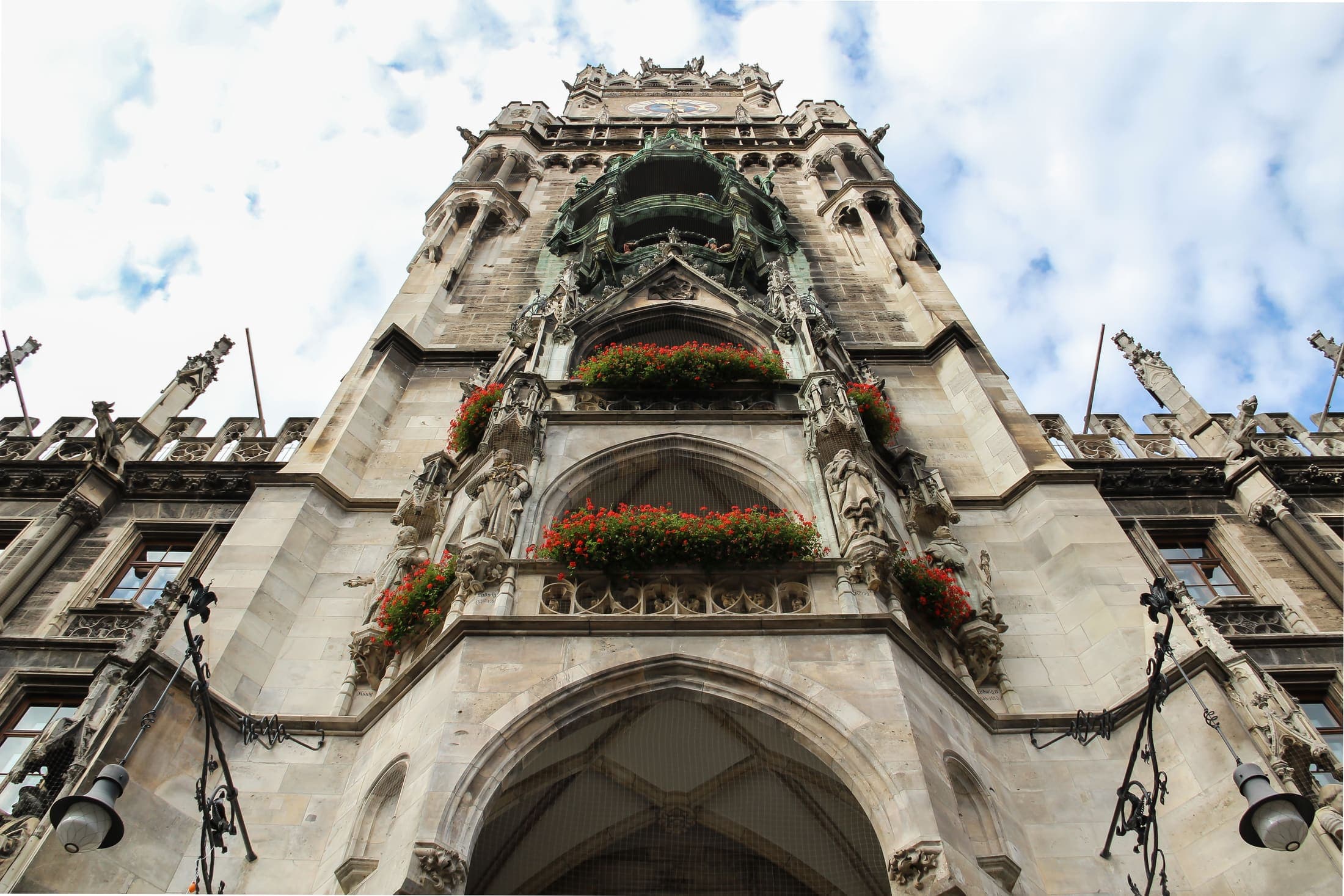
Photo credits: SAP headquarters, Walldorf by Vladislav Bezrukov from Walldorf, Germany, CC BY 2.0; University of Stuttgart (Cyber Valley partner) by MSeses, CC BY-SA 4.0; BASF chemical plant, Ludwigshafen by Rolf Kickuth, CC BY-SA 4.0; RWTH Aachen main building by א (Aleph), CC BY-SA 2.5; Munich New Town Hall, Marienplatz by Dietmar Rabich, CC BY-SA 4.0. Via Wikimedia Commons. All image credits
