
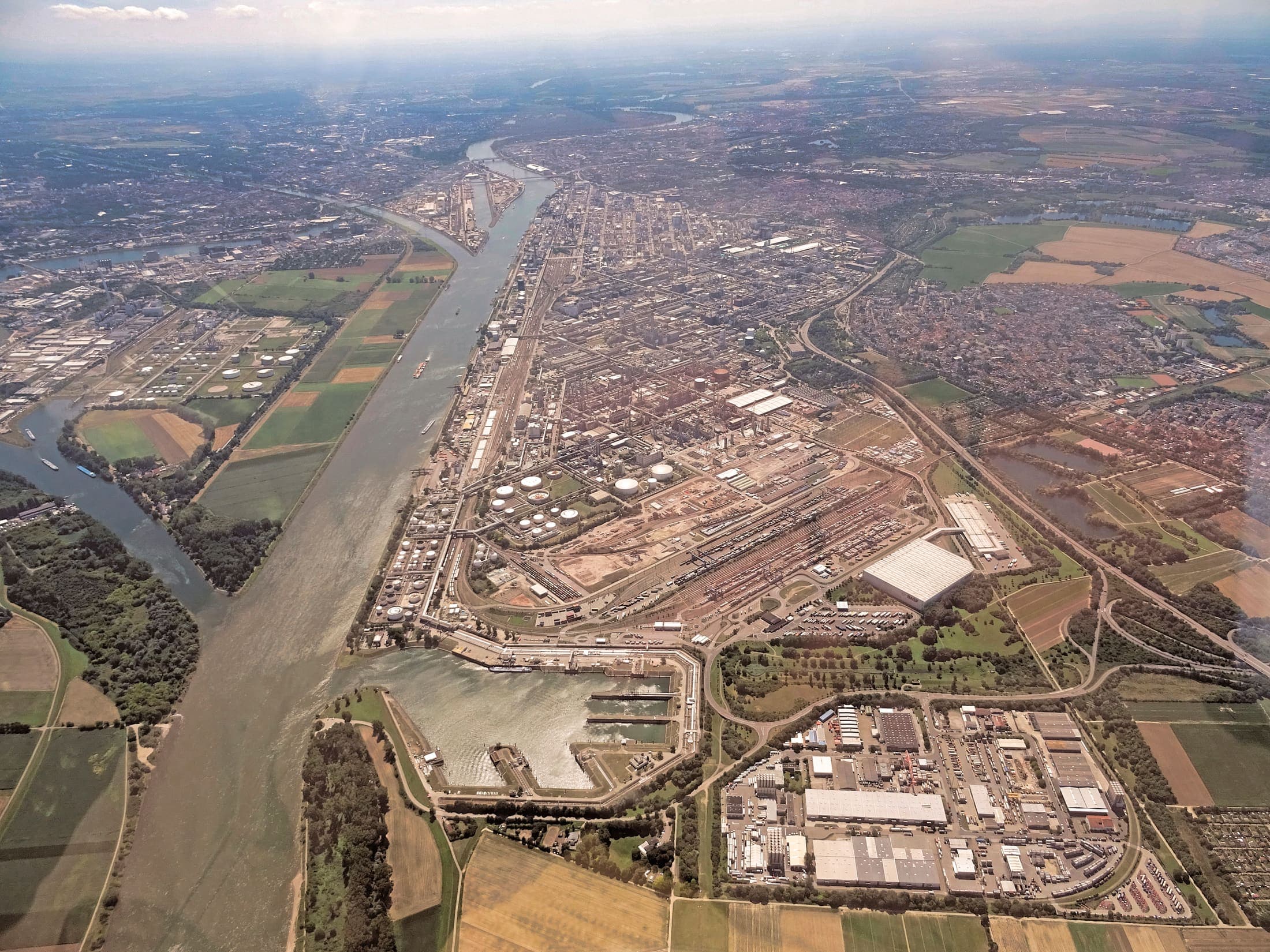
Materials Science & Engineering in Germany
Why Study Materials Science & Engineering in Germany?
Materials Science & Engineering (Materialwissenschaft und Werkstofftechnik) is the foundational discipline that enables almost every major technological breakthrough in Germany—from lightweight automotive alloys and next-generation battery chemistries to semiconductor wafers and green hydrogen electrolysers. Home to global material science pioneers and industrial heavyweights such as BASF, Covestro, Evonik, Wacker Chemie, ThyssenKrupp, Schott, and Heraeus, Germany offers an unmatched ecosystem for studying the synthesis, characterization, and application of advanced materials.
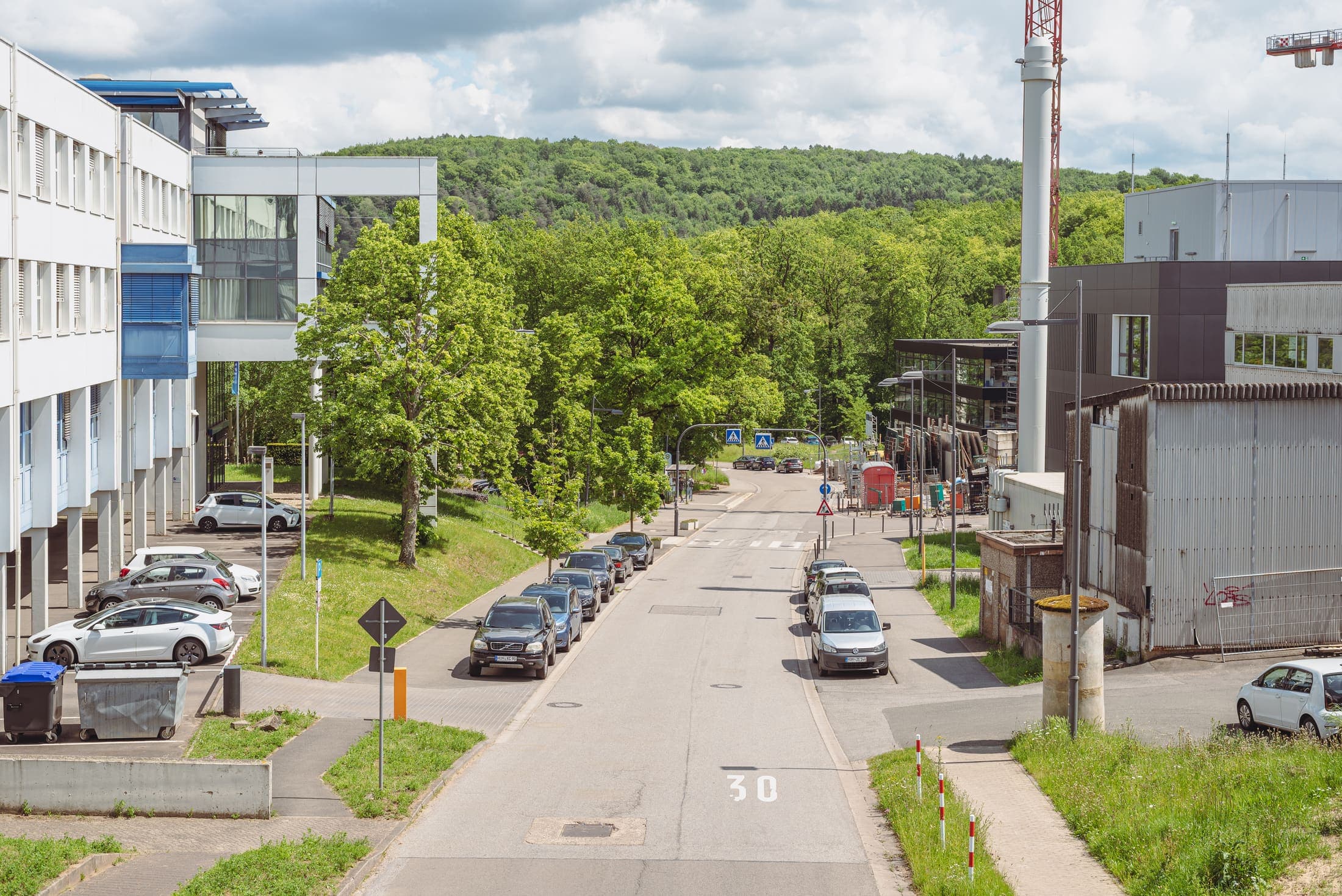
World-Class Education Options:
Choose between top-ranked public technical universities with low-cost tuition or specialised private institutions offering 100% English-taught tracks and smaller cohort sizes.
Bridging Basic Science and Industrial Engineering:
German curricula seamlessly blend solid-state physics, chemistry, and computational modelling with industrial processing techniques, preparing you to solve real-world material limitations.
Access to Cutting-Edge R&D Facilities:
Conduct research alongside world-renowned institutes like the Max Planck Institutes, Fraunhofer Society, and Helmholtz Association, utilising electron microscopy, synchrotron beamlines, and cleanroom synthesis labs.
High Earning Potential & Career Mobility:
Classified as a core engineering field, materials engineering graduates enjoy high demand across automotives, semiconductors, energy, and medical tech, commanding competitive starting salaries ranging from €38,000 to €60,000+ per year.
In-Demand Specializations
Materials Science & Engineering degrees in Germany allow you to focus on high-growth technical tracks:
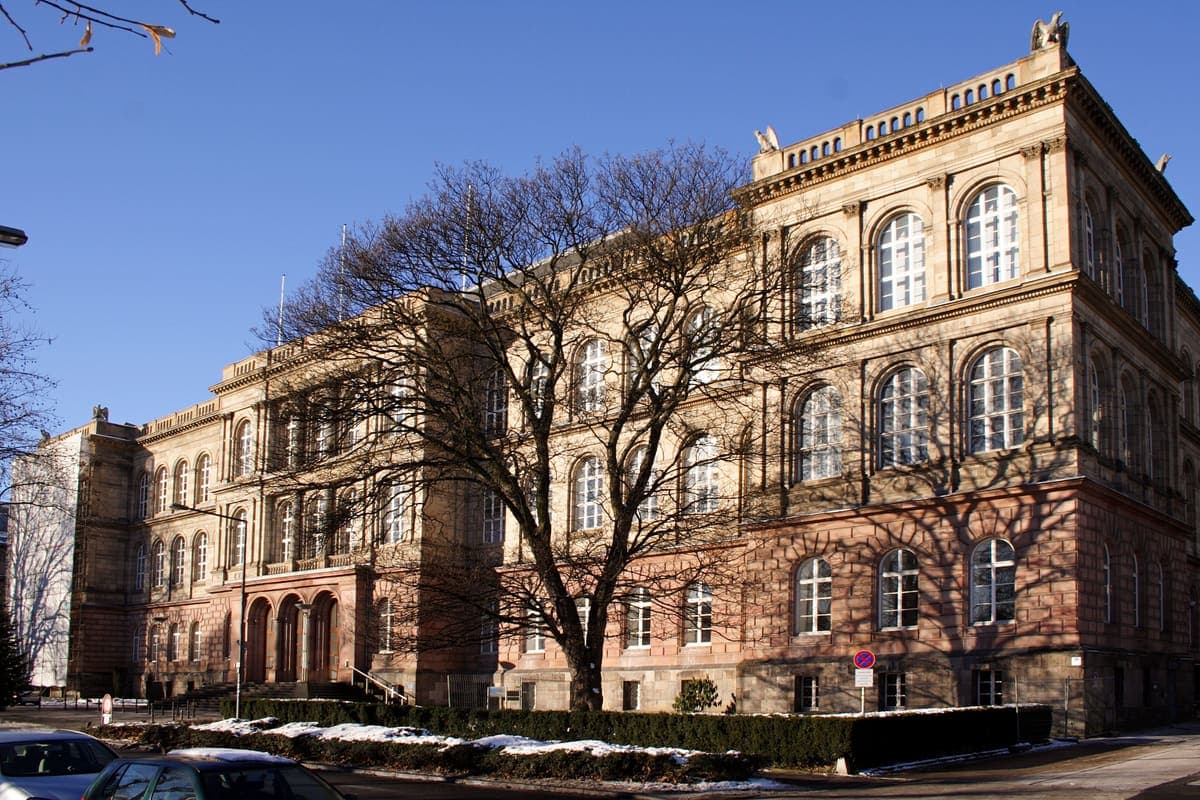
Computational Materials Science & Multiscale Modelling:
Quantum mechanical simulations (DFT), phase-field modelling, finite element analysis (FEA), and machine learning applications in materials discovery.
Energy Materials & Electrochemical Technologies:
Solid-state battery electrolytes, fuel cell membranes, photovoltaic materials, and catalysts for green hydrogen production.
Microelectronics, Semiconductors & Photonic Materials:
Silicon wafer technology, wide-bandgap semiconductors (SiC/GaN), thin-film electronics, and optical metamaterials.
Structural Alloys & Advanced Metallurgy:
High-entropy alloys, superalloys for aerospace turbines, lightweight aluminium/titanium structures, and additive manufacturing (metal 3D printing).
Biomaterials & Sustainable Polymers:
Biodegradable polymers, tissue engineering scaffolds, circular economy recycling technologies, and bio-inspired composites.
Key Admission Prerequisites
For Bachelor's Programs (3–4 Years):
School leaving credentials equivalent to the German Abitur (or completion of a 1-year Studienkolleg T-Kurs foundation track).
For Master's Programs (2 Years):
A recognised 3-year or 4-year Bachelor's degree in Materials Science, Metallurgy, Physics, Chemistry, Mechanical Engineering, or Chemical Engineering.
ECTS Module Alignment:
Public university admission committees rigorously evaluate undergraduate coursework in thermodynamics, solid-state physics, organic/inorganic chemistry, crystallography, and continuum mechanics.
Language Proficiency:
English-Taught Programs:
IELTS Academic (6.5+) or TOEFL iBT (88+).
German-Taught Programs:
TestDaF (TDN 4 in all sections) or Goethe-Zertifikat C1.
Tuition Fees
Let's plan your path to studying Materials Science & Engineering in Germany
From shortlisting the right materials science programme to preparing a standout application, our counsellors guide every step of your journey.
Frequently Asked Questions (FAQs)
Yes. Leading public universities offer fully English-taught Master's programs in Materials Science and Engineering, including TU Darmstadt, University of Stuttgart, RWTH Aachen, FAU Erlangen-Nürnberg, TU Bergakademie Freiberg, and Saarland University.
Materialwissenschaft (Materials Science) leans closer to physics and chemistry, focusing on atomic structure, electron microscopy, quantum properties, and synthesising novel materials. Werkstofftechnik (Materials Engineering) focuses on manufacturing, mechanical testing, metallurgy, foundry technology, and the integration of processed materials into industrial components.
Entry-level materials engineers and scientists earn average starting salaries between €38,000 and €60,000+ per year. Graduates entering high-tech sectors such as semiconductor fabrication, battery R&D, or aerospace metallurgy in regions like Bavaria or Baden-Württemberg often receive higher starting compensation.
Yes. German technical universities actively welcome applicants with undergraduate degrees in Applied Physics, Chemistry, Mechanical Engineering, or Chemical Engineering. Admission committees review your transcript to ensure you have foundational credits in higher mathematics, thermodynamics, and physical chemistry.
Master's students gain direct, practical experience with industry-standard analytical instruments, including Scanning Electron Microscopy (SEM), Transmission Electron Microscopy (TEM), X-Ray Diffraction (XRD), Atomic Force Microscopy (AFM), Differential Scanning Calorimetry (DSC), and universal mechanical testing rigs.
Primary employer industries in Germany include:
• Semiconductor & Electronics: Infineon, Bosch, Carl Zeiss, Siltronic, ASML supply partners.
• Automotive & Battery Storage: BMW, Mercedes-Benz, VARTA, CustomCells, BASF Battery Materials.
• Chemicals & Advanced Polymers: BASF, Evonik, Covestro, Wacker Chemie.
• Aerospace & Speciality Metals: MTU Aero Engines, ThyssenKrupp, Otto Fuchs, Plansee Group.
Major German technical universities maintain joint research centres with Fraunhofer Institutes for Materials and Beam Technology (IWS) or Max Planck Institutes for Iron Research / Solid State Research. Students frequently conduct their 6-month Master's thesis or work as paid student research assistants (HiWi) directly within these world-renowned laboratories.
Computational modelling is a core pillar of modern German materials programs. Students are trained to use software like VASP, Quantum ESPRESSO, LAMMPS, and Thermo-Calc to predict phase diagrams, simulate crystal defect movements, and accelerate the discovery of high-performance materials before physical lab synthesis.
Yes. Non-EU international students can legally work up to 140 full days or 280 half days per calendar year. Working 12 to 20 hours per week as a student worker (Werkstudent) or lab assistant (HiWi) at research institutes or chemical/engineering firms allows you to earn €14–€22/hour while building relevant industrial experience.
Public university committees evaluate your Bachelor's transcript module-by-module against strict ECTS credit criteria. They check for minimum credit thresholds in thermodynamics, mathematics, mechanics, and physical chemistry. If minor gaps exist, universities may grant conditional admission, requiring you to pass 1 or 2 bridging modules during your first year.
Explore Other Fields of Study in Germany
Beyond Materials Science & Engineering, EduOptions Germany also guides students
into these high-growth fields.
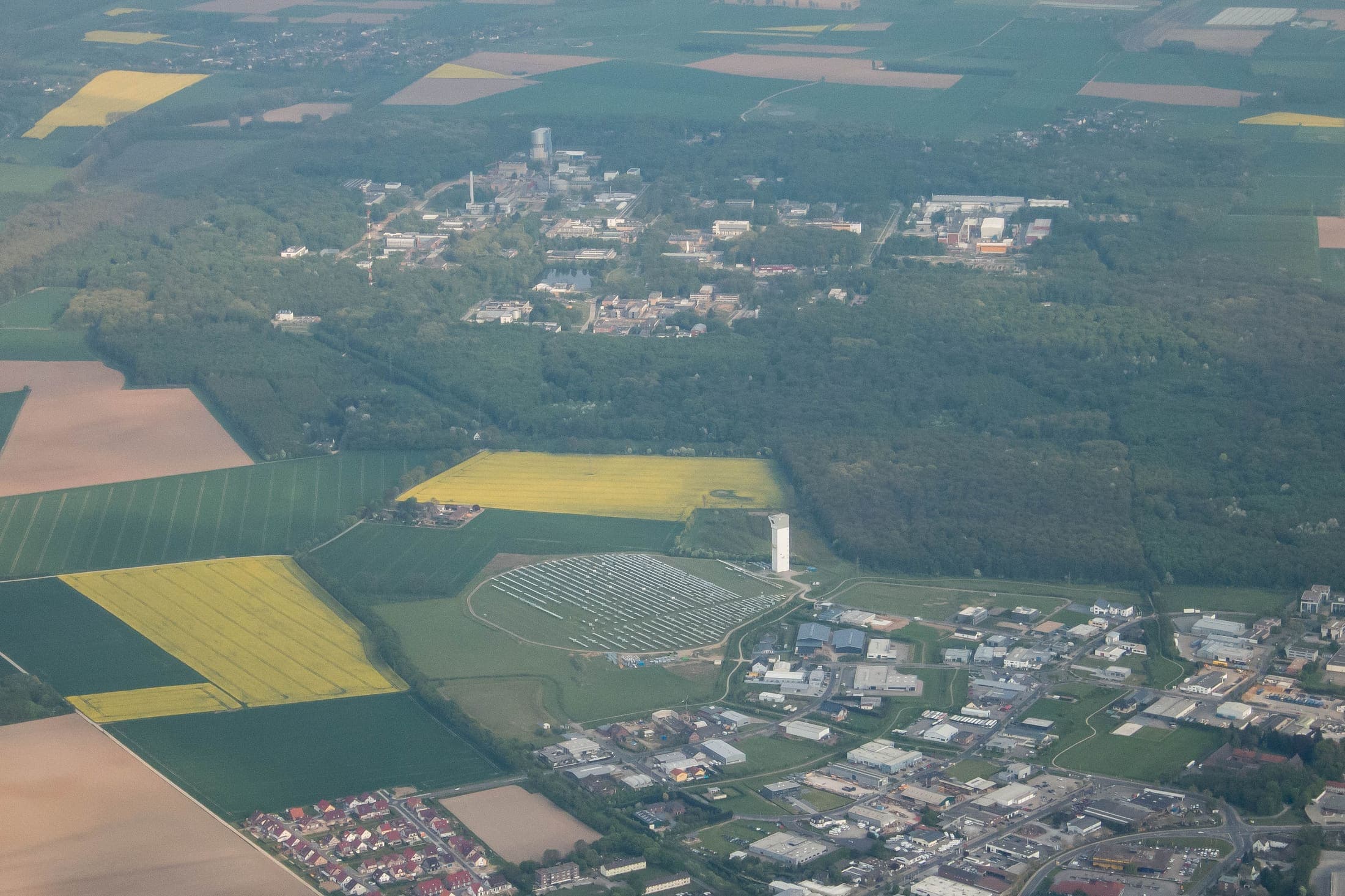
Photo credits: BASF chemical plant, Ludwigshafen by Rolf Kickuth, CC BY-SA 4.0; Saarland University campus (CISPA, DFKI) by Flocci Nivis, CC BY 4.0; RWTH Aachen main building by א (Aleph), CC BY-SA 2.5; University of Stuttgart (Cyber Valley partner) by MSeses, CC BY-SA 4.0; Forschungszentrum Jülich and solar tower by Achim Christoph, CC BY 3.0. Via Wikimedia Commons. All image credits
