
Mechanical Engineering in Germany
Why Study Mechanical Engineering in Germany?
Germany is universally recognised as the engineering powerhouse of Europe, home to automotive and industrial pioneers like BMW, Mercedes-Benz, Siemens, Bosch, and ThyssenKrupp. Pursuing Mechanical Engineering (Maschinenbau) in Germany gives you direct access to world-class research infrastructure, hands-on industrial training, and an unbeatable return on investment.
World-Class Tuition-Free Education:
Most public universities charge €0 tuition fees for both Bachelor's and Master's degrees, requiring only a small semester administrative contribution (€100–€400 per semester).
Practical & Industry-Driven Learning:
Choose between research-focused Technical Universities (TUs) or hands-on Universities of Applied Sciences (Fachhochschulen) that integrate mandatory corporate internships into the curriculum.
Thriving Job Market:
Engineering falls under Germany's official shortage occupations (Engpassberufe), offering simplified pathways to an 18-month Post-Study Work Visa and fast-track EU Blue Cards.
High Earning Potential:
Mechanical engineering graduates command lucrative starting salaries ranging from €50,000 to €65,000+ per year.
Course Structure & Key Specialisations
Mechanical Engineering degree programs in Germany balance rigorous scientific foundations with modern digital design tools. Core foundational subjects include Higher Mathematics, Applied Mechanics, Thermodynamics, Fluid Dynamics, Materials Science, and CAD/CAM modelling, alongside these in-demand specialisations:
Automotive & Powertrain Engineering:
Electric vehicle (EV) tech, aerodynamics, and combustion design.
Robotics, Automation & Mechatronics:
Smart factory automation, sensor technology, and control systems.
Sustainable Energy Systems:
Thermal plant engineering, renewable energy integration, and fluid power.
Advanced Manufacturing & Production:
Additive manufacturing (3D printing), industrial IoT, and lean manufacturing.
Key Admission Prerequisites
For Bachelor's Programs (3–4 Years):
High school qualifications equivalent to the German Abitur (or completion of a 1-year Studienkolleg foundation track).
For Master's Programs (2 Years):
A recognised 3-year or 4-year Bachelor's degree in Mechanical Engineering or a closely aligned field.
ECTS Module Matching:
Public Master's admissions strictly verify prerequisite credits in higher math, solid mechanics, and thermodynamics.
Language Proficiency:
English-Taught:
IELTS Academic (6.5+) or TOEFL iBT (88+).
German-Taught:
TestDaF (TDN 4) or Goethe-Zertifikat Level B2 or C1.
Tuition Fees
Let's plan your path to studying Mechanical Engineering in Germany
From shortlisting the right technical university to preparing a compelling application, our counsellors guide every step of your journey.
Frequently Asked Questions (FAQs)
Yes. While Bachelor's degrees are predominantly taught in German (or require a Studienkolleg foundation), there are numerous 100% English-taught Master's degrees in Mechanical Engineering available at top public universities across Germany.
At most public universities, tuition is €0. Students only pay a nominal semester contribution of €150 to €400, which often includes a regional public transit pass. Living expenses (housing, health insurance, food) average around €900 to €1,000 per month, funded through your Blocked Account (€11,904/year).
Most consecutive M.Sc. programs at public technical universities do not require full-time corporate work experience; they evaluate your academic background and ECTS credit alignment. However, some programs may require a pre-study practical internship (Vorpraktikum) of 6 to 12 weeks.
Technical Universities (TUs) focus heavily on theoretical research, mathematical modelling, and scientific innovation (ideal for research or PhD tracks). Universities of Applied Sciences (Fachhochschulen / FHs) emphasise practical application, industry case studies, and mandatory company internships.
Yes. Germany experiences a structural shortage of qualified engineers. International graduates receive an 18-month post-study work visa to find a degree-related job. Once hired, you can transition into a standard work permit or an EU Blue Card, leading to Permanent Residency (PR) in as little as 21 to 24 months.
While your university coursework and exams will be entirely in English, learning basic German (A2 to B1 level) is strongly recommended. Knowing foundational German is essential for everyday living, securing part-time student jobs (Werkstudent), completing mandatory industrial internships, and expanding your post-graduation job search.
The APS Certificate (Akademische Prüfstelle) is a mandatory document verification issued by the German Embassy in New Delhi confirming the authenticity of your Indian academic credentials. You must submit a valid APS Certificate alongside your university applications and VFS student visa appointment.
Acceptance depends on your university's total credit requirements. German Master's degrees typically require 180 to 210 ECTS credits. If your 3-year Indian Bachelor's degree (180 ECTS) lacks specific prerequisite modules required by the public university, you may be asked to complete a 1-semester preparatory/bridging course (Propädeutikum) before starting your Master's modules.
Entry-level mechanical engineering graduates in Germany earn average starting salaries ranging from €50,000 to €65,000 per year, depending on the company size, industry sector (e.g., automotive vs. renewable energy), and location (e.g., Bavaria and Baden-Württemberg generally offer higher pay scales).
Yes. International students from non-EU/EEA countries are legally permitted to work up to 140 full days or 280 half days per calendar year. Working part-time as a student worker (Werkstudent) at an engineering firm is a popular way to earn income while gaining industry experience directly related to your field.
Explore Other Fields of Study in Germany
Beyond Mechanical Engineering, EduOptions Germany also guides students
into these high-growth fields.
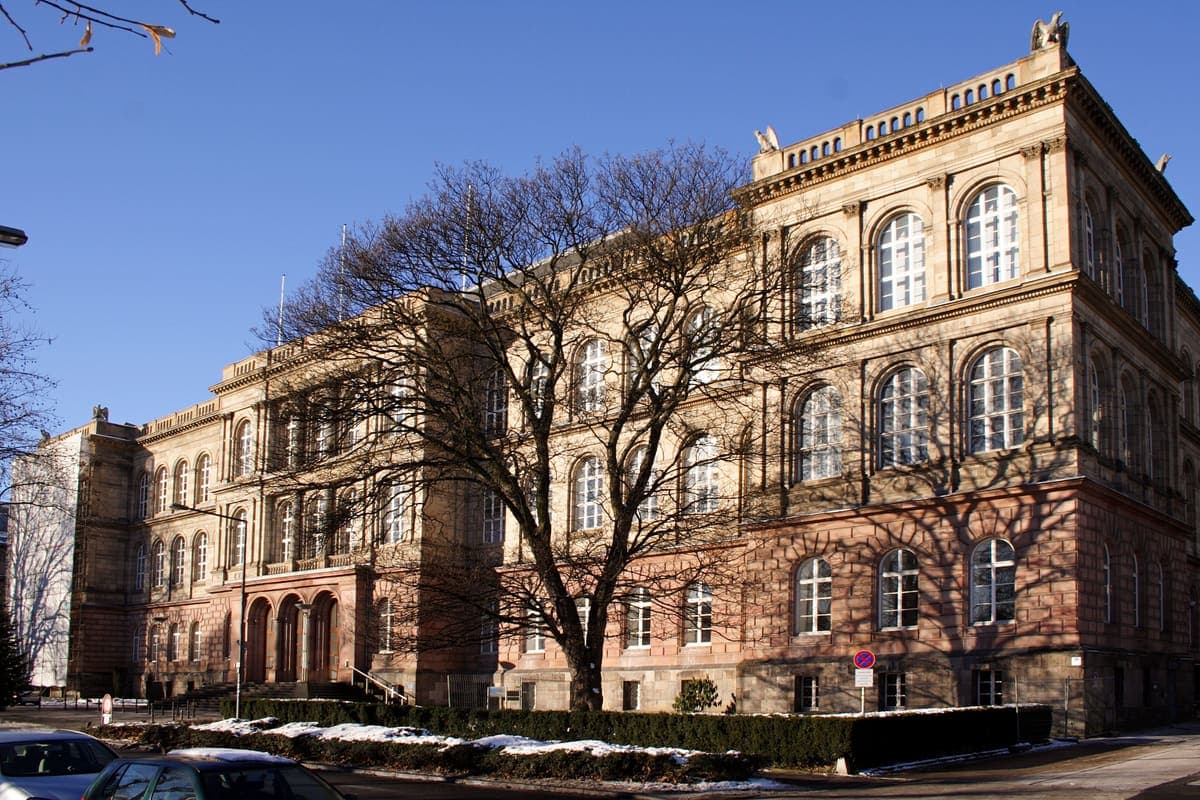
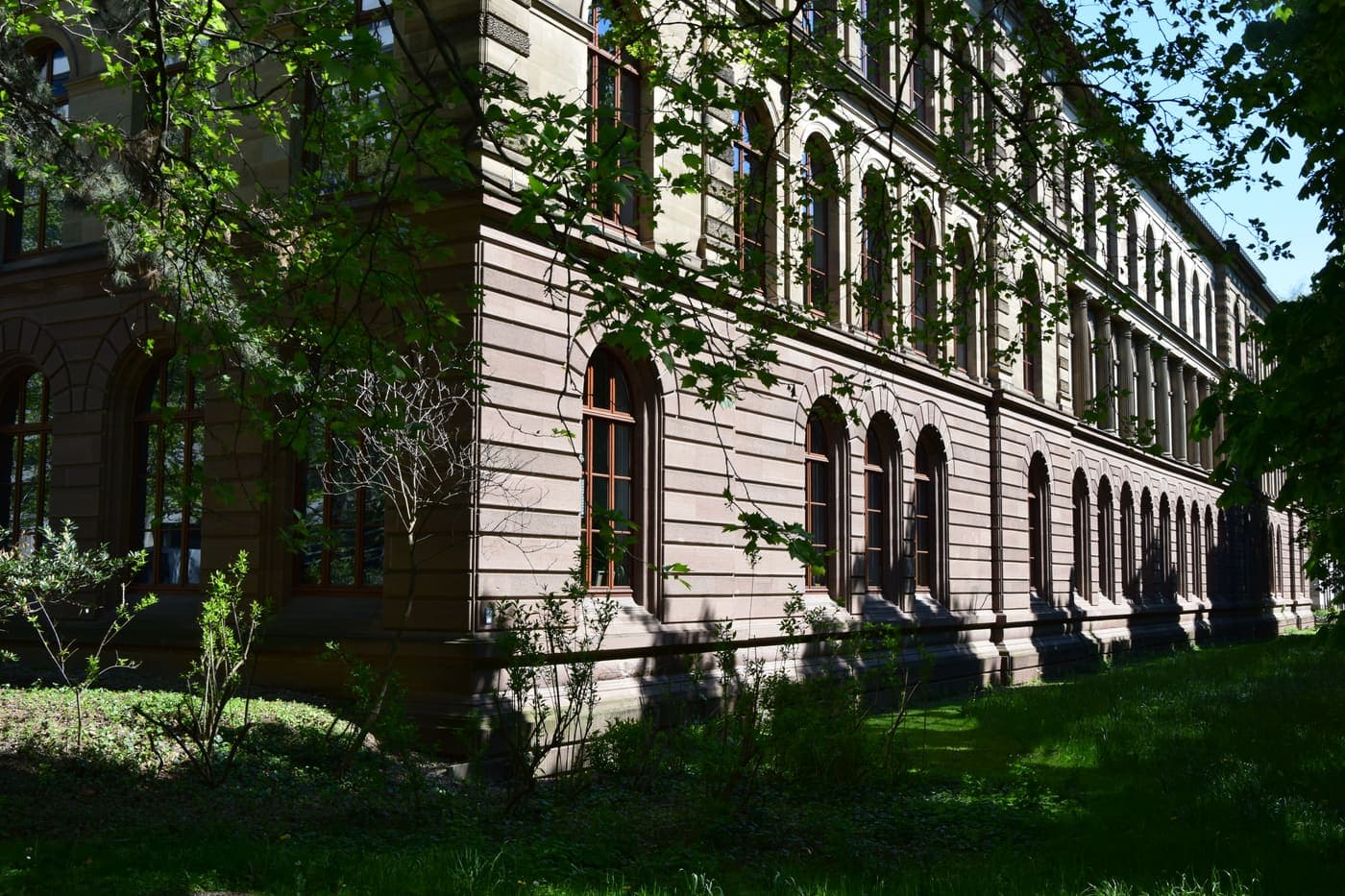
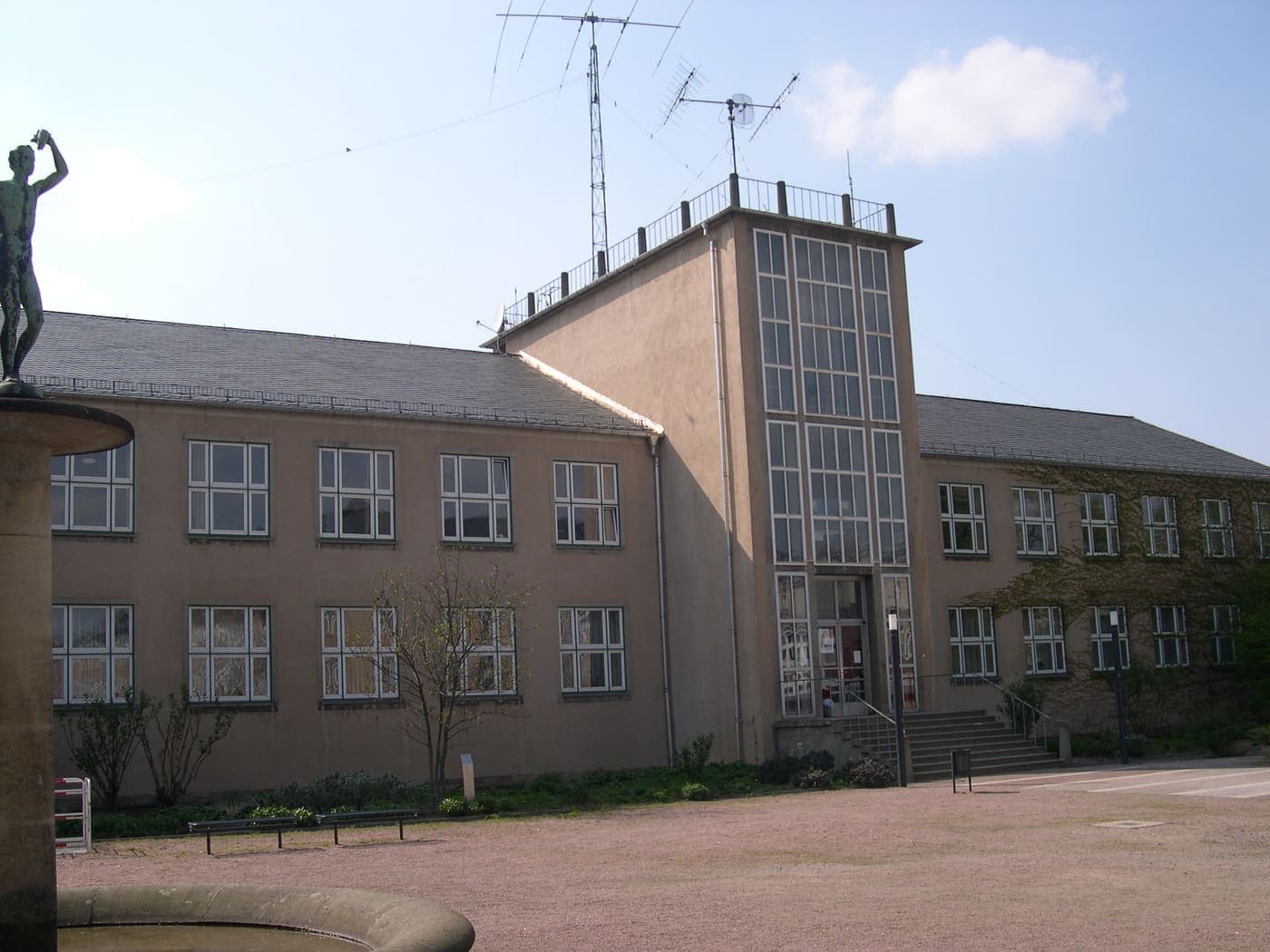
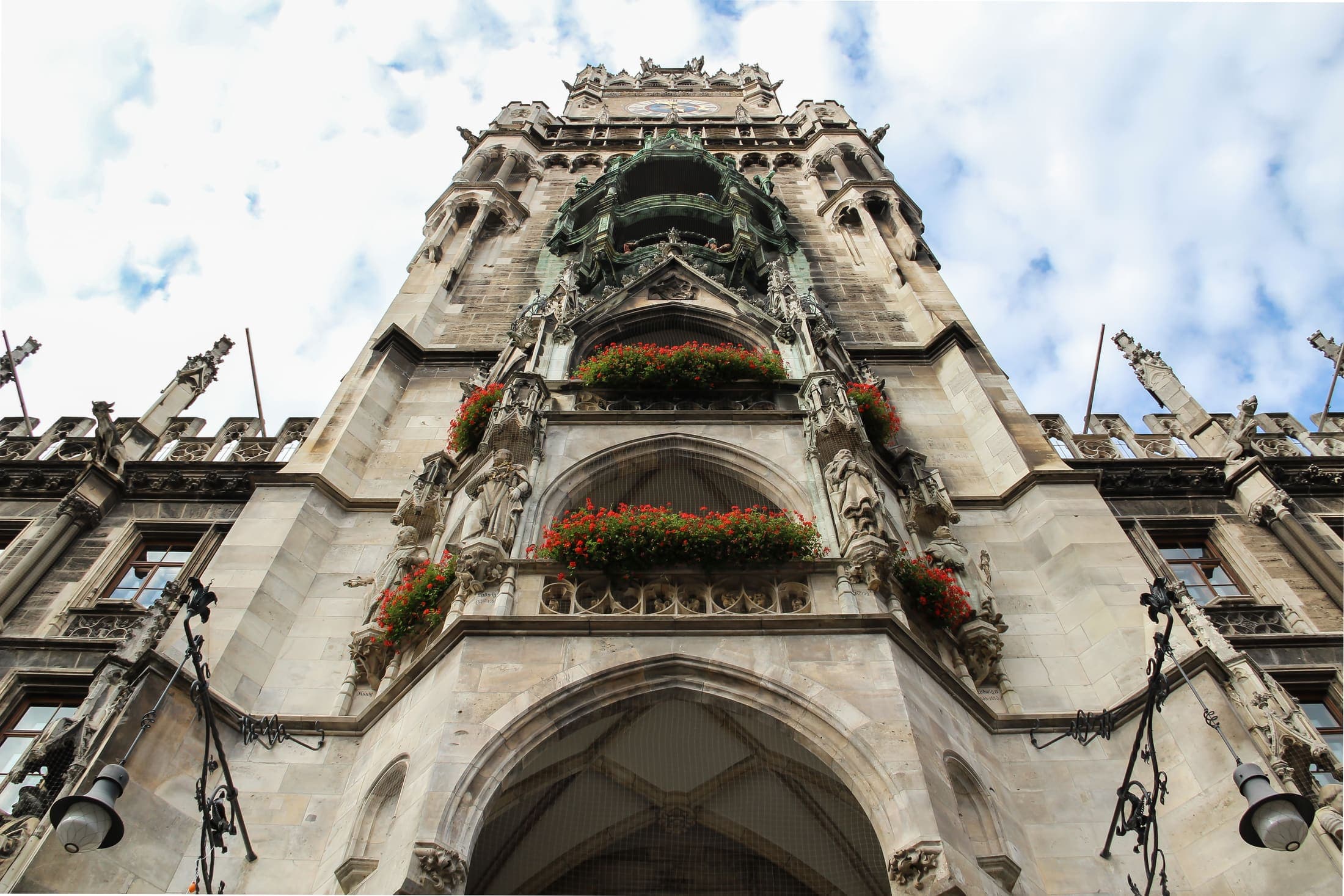
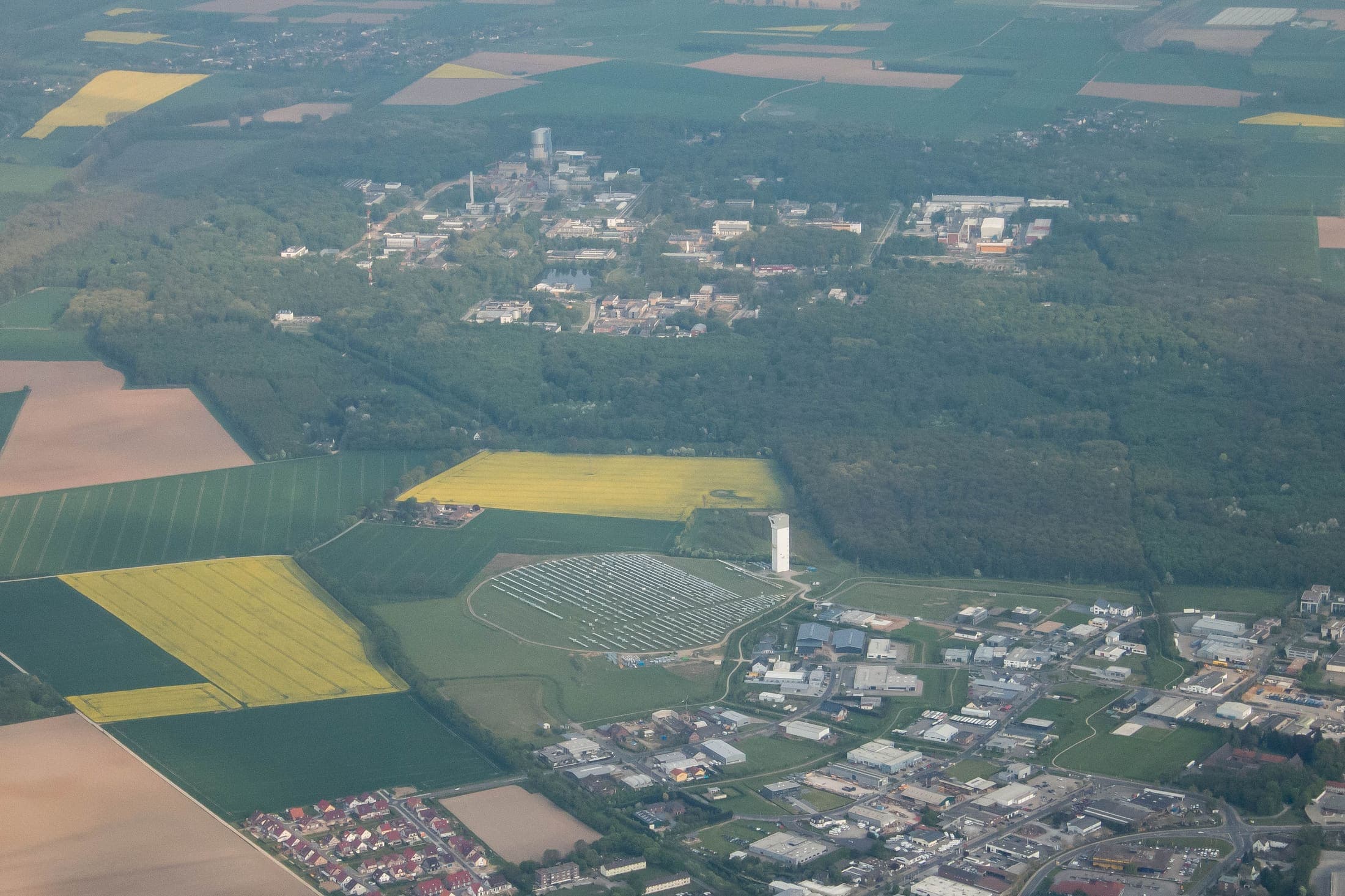
Photo credits: RWTH Aachen main building by א (Aleph), CC BY-SA 2.5; University of Stuttgart (Cyber Valley partner) by MSeses, CC BY-SA 4.0; TU Dresden, Barkhausen-Bau by Hutschi, CC BY-SA 3.0; Munich New Town Hall, Marienplatz by Dietmar Rabich, CC BY-SA 4.0; Forschungszentrum Jülich and solar tower by Achim Christoph, CC BY 3.0. Via Wikimedia Commons. All image credits
