
Electrical Engineering & Information Technology in Germany
Why Study Electrical Engineering & Information Technology in Germany?
As the digital backbone of Europe's industrial infrastructure, Germany relies heavily on Electrical Engineering and Information Technology (Elektrotechnik und Informationstechnik / ETIT) to drive its transition toward Industry 4.0, renewable energy grids, semiconductor manufacturing, and smart mobility. Home to global technology leaders like Siemens, Infineon Technologies, Bosch, SAP, and Fraunhofer Institutes, Germany provides an unmatched ecosystem for studying microelectronics, power grids, and telecommunications.
World-Class Education:
Choose between elite public technical universities or specialised private universities offering 100% English-taught tracks and small cohort sizes.
Crucial Role in National Tech Transitions:
German power grids, automotive companies, and automation sectors are undergoing massive electrification and digitisation, creating high demand for qualified ETIT engineers.
Hands-On & Research-Rich:
Choose between theoretical research at elite TU9 Technical Universities or practical, project-based learning at Universities of Applied Sciences (Fachhochschulen) equipped with high-voltage and micro-cleanroom laboratories.
High Earning Potential & Career Growth:
Classified as a core shortage occupation (Engpassberufe), graduates benefit from simplified EU Blue Card pathways and starting salaries ranging from €54,000 to €70,000 per year.
In-Demand Specializations
Electrical Engineering & Information Technology degrees in Germany allow you to focus on high-growth technical tracks:
Microelectronics & Nanoelectronics:
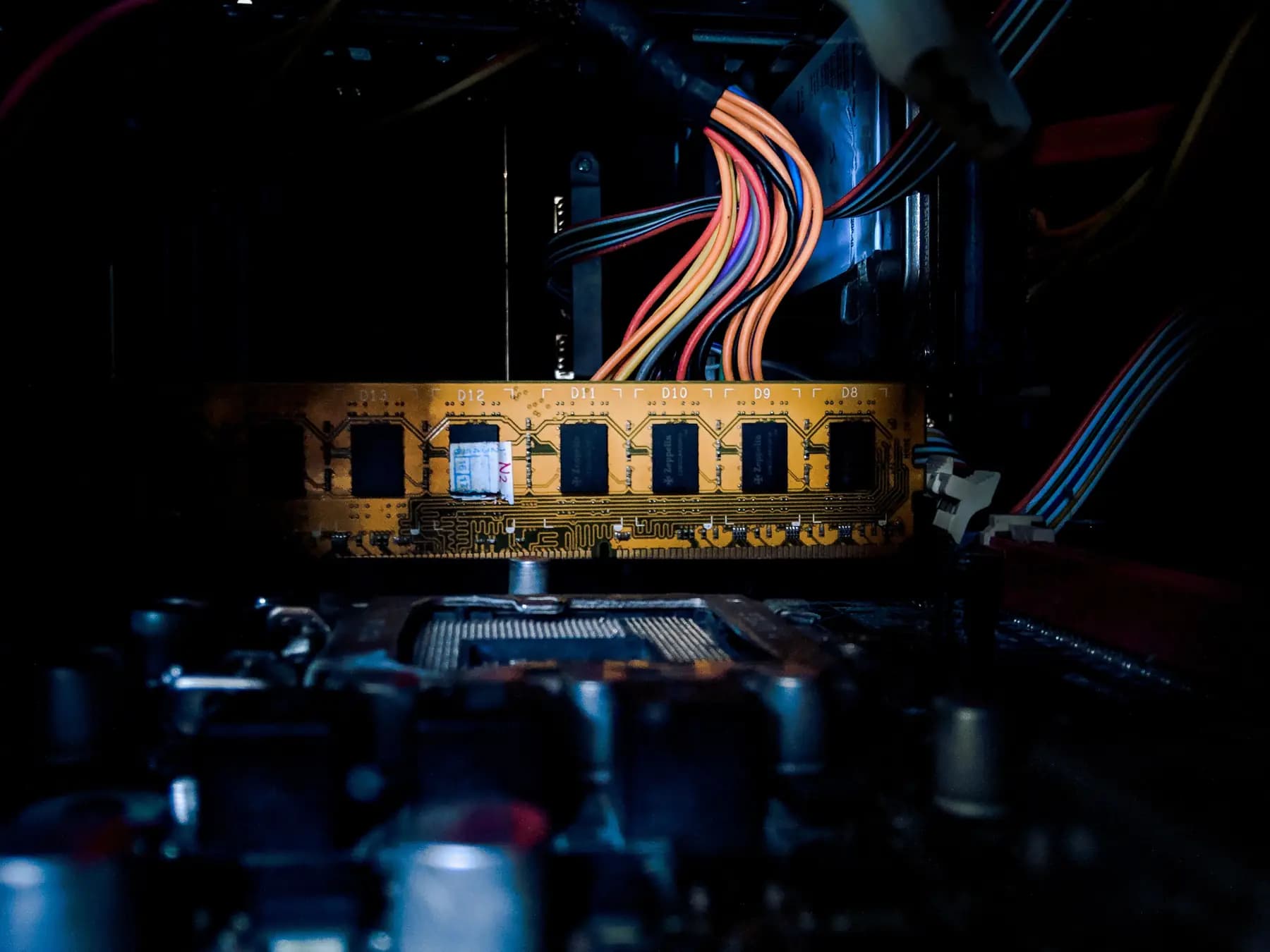
Chip architecture, VLSI circuit design, semiconductor fabrication, and cleanroom technologies (central to Germany's "Silicon Saxony" hub).
Power Engineering & Smart Grids (Energietechnik):
High-voltage technology, renewable energy integration, electric vehicle charging infrastructure, and smart grid automation.
Automation, Robotics & Control Systems:
Industrial IoT, sensor networks, programmable logic controllers (PLCs), and mechatronic control systems for Industry 4.0.
Information & Communication Systems:
Digital signal processing, wireless communications (5G/6G), optical networks, embedded systems, and machine learning in signal analysis.
Key Admission Prerequisites
For Bachelor's Programs (3–4 Years):
School leaving credentials equivalent to the German Abitur (or completion of a 1-year Studienkolleg T-Kurs foundation program).
For Master's Programs (2 Years):
A recognised 3-year or 4-year Bachelor's degree in Electrical Engineering, Electronics, Telecommunications, or Information Technology.
ECTS Module Alignment:
Public university admission committees strictly verify underlying coursework in higher calculus, complex analysis, electromagnetic field theory, circuit design, signal processing, and computer architecture.
Language Proficiency:
English-Taught:
IELTS Academic (6.5+) or TOEFL iBT (80+).
German-Taught:
TestDaF (TDN 4 in all sections) or Goethe-Zertifikat C1.
Tuition Fees
Let's plan your path to studying Electrical Engineering & Information Technology in Germany
From shortlisting the right ETIT programme to preparing a compelling application, our counsellors guide every step of your journey.
Frequently Asked Questions (FAQs)
Computer Science focuses primarily on software engineering, algorithms, and high-level programming. Electrical Engineering & Information Technology (ETIT) bridges the gap between hardware and low-level software—covering microchip design, semiconductor physics, signal processing, embedded systems, robotics sensors, and high-voltage power electronics.
Yes. Leading public technical universities—such as TU Munich (TUM), RWTH Aachen, KIT, TU Dresden, and FAU Erlangen-Nürnberg—offer fully English-taught Master of Science degrees in Electrical Engineering and Information Technology.
Public universities in Germany evaluate your transcript based on ECTS credit matching rather than degree duration alone. If your 3-year B.Sc. provides sufficient higher mathematics, circuit theory, and signal analysis credits (matching 180 ECTS), you can qualify. If prerequisite module gaps exist, you may be required to complete bridging modules or a preparatory semester.
Germany is home to "Silicon Saxony" (Dresden region) and major semiconductor fabrication plants (Infineon, Bosch, TSMC joint ventures, NXP). ETIT students specialising in microelectronics, VLSI design, and nanoelectronics find abundant research internships, thesis projects, and job placements in these semiconductor hubs.
TU9 Technical Universities focus heavily on mathematical modelling, theoretical research, chip architecture, and preparing students for R&D roles or PhD pathways. Universities of Applied Sciences (Fachhochschulen / FHs) emphasise practical hardware design, lab testing, embedded systems programming, and mandatory 6-month corporate internships.
Yes. Power Engineering (Energietechnik) is a major specialisation track within ETIT programs in Germany. You can focus on high-voltage technology, smart grid automation, wind/solar inverter electronics, and electric vehicle charging infrastructure.
Yes. Because Information Technology forms half of the curriculum, students are expected to have working knowledge of low-level and high-level programming languages (such as C, C++, Python, VHDL/Verilog, and MATLAB/Simulink) for microcontrollers, signal processing, and system simulation.
Entry-level Electrical & IT engineers earn attractive starting salaries ranging from €54,000 to €70,000 per year. Graduates working in semiconductor manufacturing, power grid management, automotive embedded systems, or industrial automation frequently receive higher starting offers.
Yes. International students are legally allowed to work up to 140 full days or 280 half days per calendar year. Working 12 to 20 hours per week as a student worker (Werkstudent) at engineering firms like Siemens, Bosch, or local tech startups allows you to earn €14–€22/hour while building relevant industry experience.
As Electrical Engineering & IT falls under Germany's official shortage occupations (Engpassberufe), securing a qualified job offer allows you to get an EU Blue Card. Blue Card holders can qualify for Permanent Residency (PR) in just 21 months with certified B1 German language proficiency (or 27 months with A2 German).
Explore Other Fields of Study in Germany
Beyond Electrical Engineering & Information Technology, EduOptions Germany also guides students
into these high-growth fields.
