
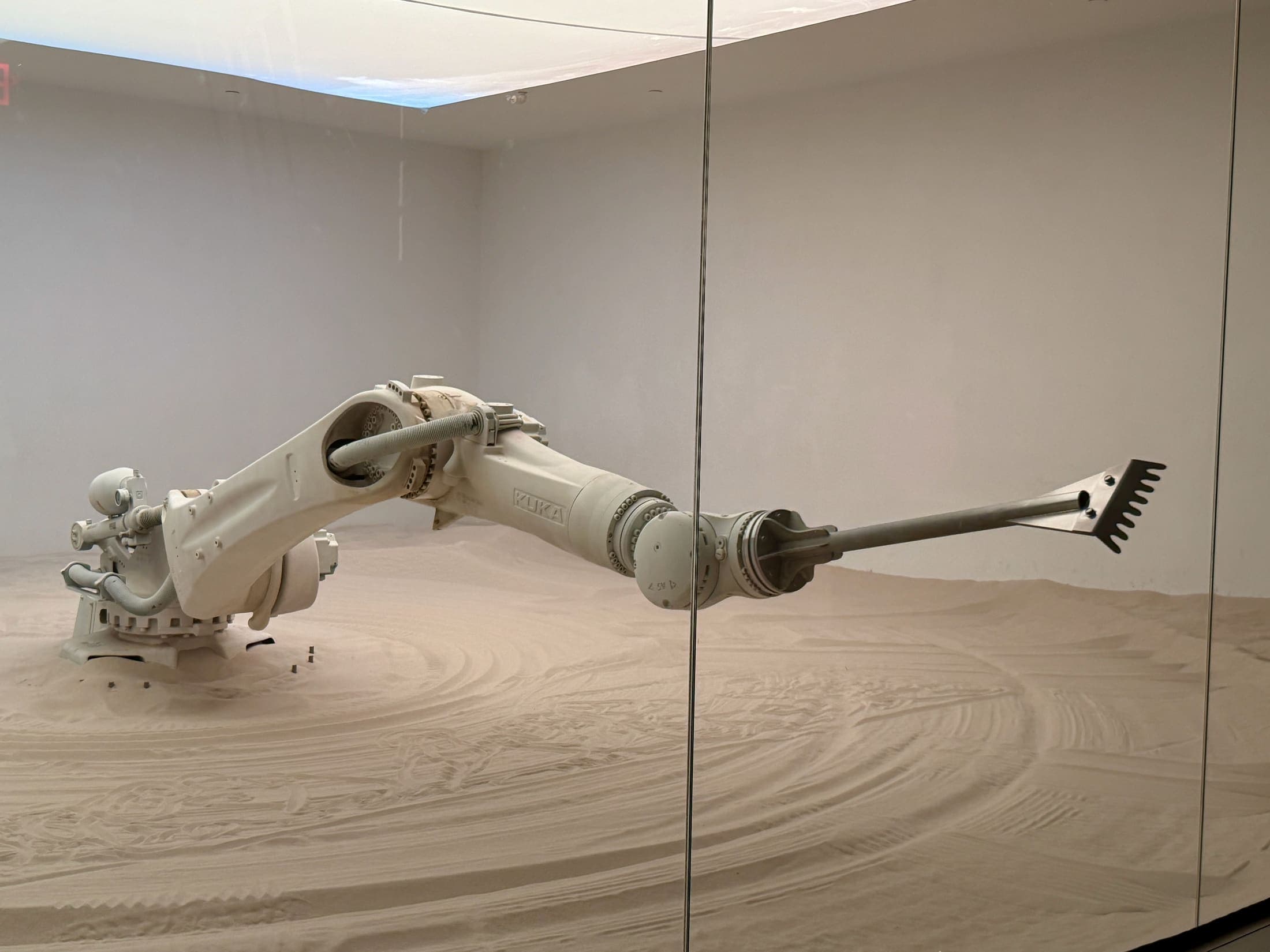
Mechatronics & Robotics in Germany
Why Study Mechatronics & Robotics in Germany?
Germany is the undisputed pioneer of Industry 4.0 and advanced smart factory automation. Home to world-leading industrial robotics giants like KUKA, Festo, ABB Group, Bosch Rexroth, Siemens, and Franka Emika, studying Mechatronics & Robotics (Mechatronik und Robotik) in Germany places you at the intersection of mechanical engineering, microelectronics, embedded software, and artificial intelligence.
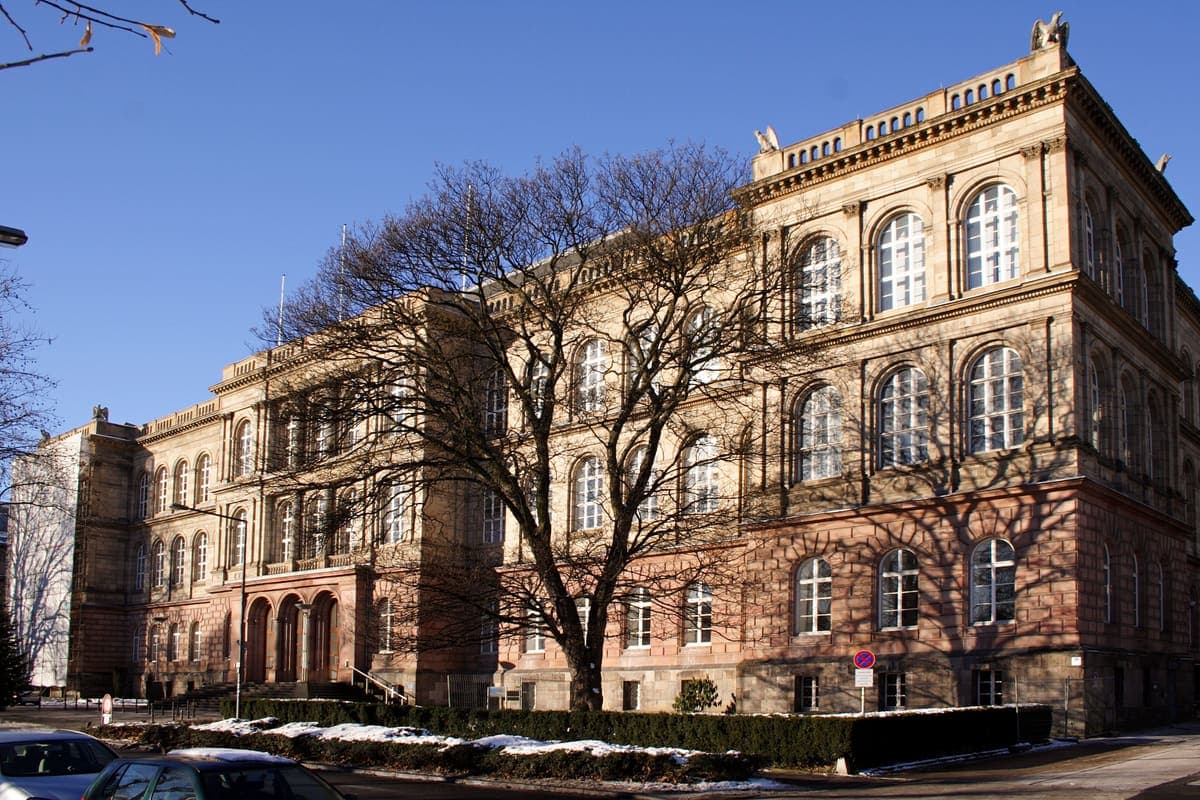
World-Class Education Options:
Choose between tuition-free public technical universities or specialised private institutions offering 100% English-taught tracks and smaller cohort sizes.
Hub for Autonomous Systems & AI:
German universities lead cutting-edge research in collaborative robots (cobots), AI-driven perception, autonomous mobile robots (AMRs), and bio-inspired robotics.
Theory Meets Practice:
Learn through high-tech laboratory research at elite TU9 Technical Universities or project-based practical application at Universities of Applied Sciences (Fachhochschulen).
High Demand & Excellent Pay:
Classified as an official core shortage occupation (Engpassberufe), mechatronics and robotics graduates enjoy streamlined EU Blue Card pathways and average starting salaries ranging from €46,000 to €58,000+ per year.
In-Demand Specializations
Mechatronics & Robotics degrees in Germany allow you to focus on high-growth automation and smart technological tracks:
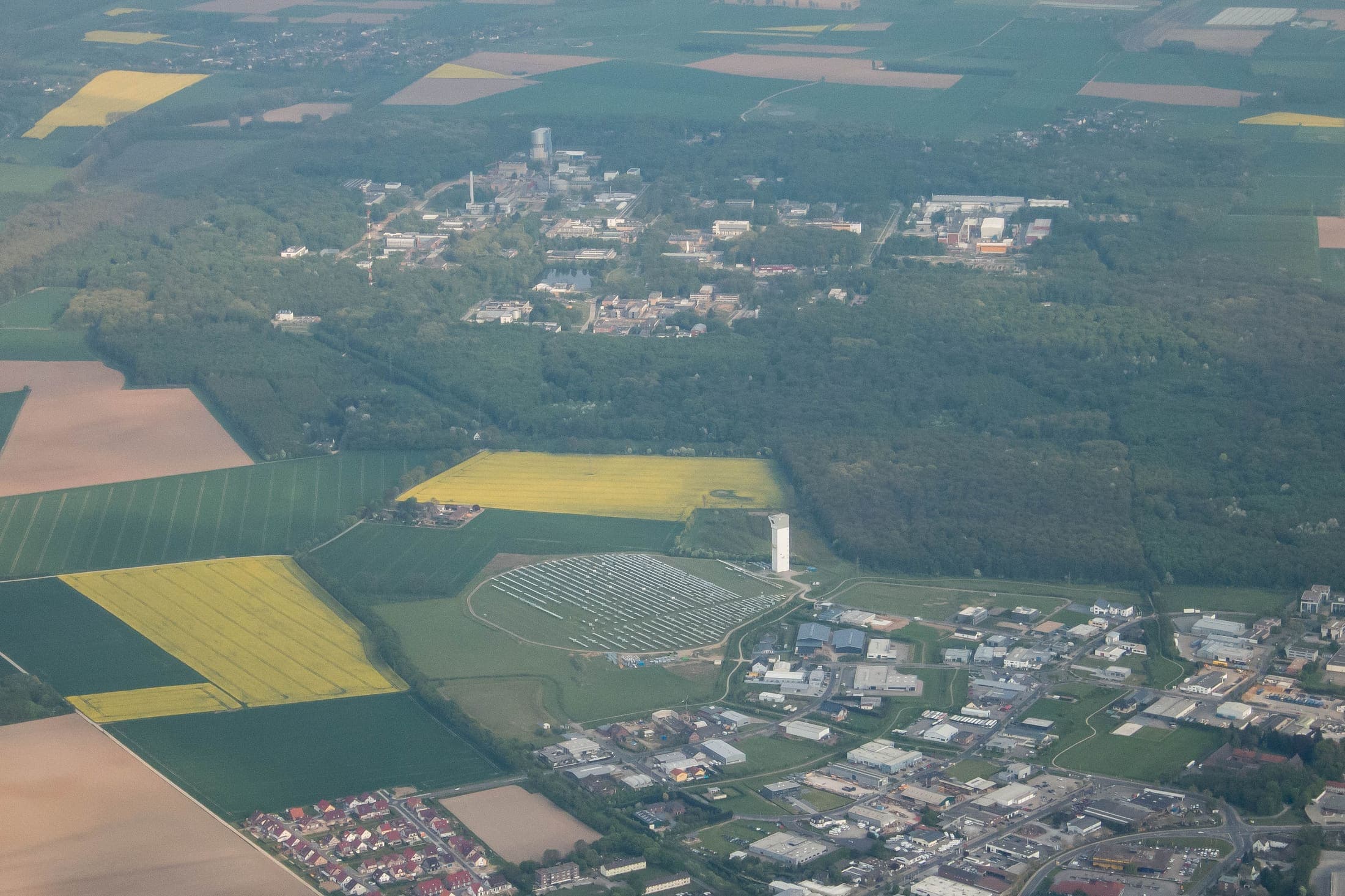
Industrial Robotics & Smart Factory Automation:
Kinematics, dynamics, programmable logic controllers (PLCs), robotic manipulators, and automated assembly systems for Industry 4.0.
Autonomous Mobile Robots (AMRs) & Navigation:
Simultaneous Localisation and Mapping (SLAM), LiDAR/radar sensor fusion, path planning algorithms, and automated guided vehicles (AGVs).
AI & Machine Learning for Robotics:
Computer vision, deep learning for object recognition, neural networks, sensor perception, and reinforcement learning in control systems.
Embedded Systems & Microcontroller Hardware:
Real-time operating systems (RTOS), System-on-Chip (SoC) design, sensor/actuator integration, and low-level firmware development.
Medical & Human-Robot Interaction (HRI):
Surgical robotic systems, exoskeletons, bio-mechatronics, haptic feedback devices, and safe cobot collaboration.
Key Admission Prerequisites
For Bachelor's Programs (3–4 Years):
School leaving credentials equivalent to the German Abitur (or completion of a 1-year Studienkolleg T-Kurs foundation track).
For Master's Programs (2 Years):
A recognised 3-year or 4-year Bachelor's degree in Mechatronics, Mechanical Engineering, Electrical Engineering, Systems Engineering, or Computer Science.
ECTS Module Alignment:
Public university admission committees strictly verify underlying coursework in higher calculus, linear algebra, control theory, electrical circuit analysis, mechanics, and object-oriented programming.
Language Proficiency:
English-Taught Programs:
IELTS Academic (6.5+) or TOEFL iBT (83+).
German-Taught Programs:
TestDaF (TDN 4 in all sections) or Goethe-Zertifikat C1.
Tuition Fees
Let's plan your path to studying Mechatronics & Robotics in Germany
From shortlisting the right robotics-focused university to preparing a standout application, our counsellors guide every step of your journey.
Frequently Asked Questions (FAQs)
Yes. While Bachelor's degrees are predominantly taught in German (or require a Studienkolleg foundation), there are several 100% English-taught Master's degrees in Mechatronics and Robotics available at top public universities (such as RWTH Aachen, Leibniz University Hannover, TU Dortmund, and KIT).
At most public universities, tuition is €0 (except Baden-Württemberg at €1,500/sem and TUM at €2,000–€6,000/sem). Students pay only a nominal administrative semester contribution of €150 to €400. Private universities charge €9,000 to €20,000+ per year in tuition fees, offering advantages like guaranteed seats, flexible entry requirements, and smaller class sizes.
Mechatronics is a broader interdisciplinary field uniting mechanical systems, electrical engineering, control engineering, and software. Robotics is a specialised sub-branch of mechatronics focused specifically on autonomous manipulators, mobile robots, AI perception, kinematics, dynamics, and human-robot interaction.
Yes. Most German Master's programs accept graduates with Bachelor's degrees in Mechanical Engineering, Electrical Engineering, Mechatronics, or Computer Science. Public universities verify your academic transcripts to ensure sufficient underlying ECTS credits in mathematics, control systems, circuits, and programming.
The GRE is generally not required for engineering programs in Germany. However, it is strictly mandatory for non-EU applicants at select top technical universities, such as RWTH Aachen (for M.Sc. Robotic Systems Engineering) and TU Munich.
German robotics and mechatronics curricula emphasise industry-standard tools and platforms. You will gain hands-on expertise in ROS / ROS 2 (Robot Operating System), C++ and Python for algorithm design, MATLAB / Simulink for control modelling, C/C++ for embedded systems, Linux (Ubuntu), Gazebo for simulation, CAD tools (SolidWorks/CATIA) for kinematic structures, and OpenCV / PyTorch for computer vision and perception.
While your Master's degree may be taught in English, learning German (B1 to B2 level) is crucial for securing competitive student worker positions (Werkstudent), corporate internships, and full-time engineering jobs at major German automation companies (like Festo, KUKA, or Siemens).
Entry-level mechatronics, robotics, and control engineers in Germany earn attractive starting salaries ranging from €46,000 to €58,000+ per year. Positions in major industrial hubs (such as Bavaria and Baden-Württemberg) often fall on the higher end of the scale.
German public universities evaluate applications strictly against detailed ECTS module prerequisites. If your transcript has minor credit gaps (such as missing a dedicated Control Engineering or Software Architecture module), selected universities may issue a conditional admission offer (mit Auflagen). This requires you to pass 1 or 2 bridge/preparatory modules during your first year alongside your regular Master's coursework.
Major automation and high-tech manufacturing hubs in Germany include:
• Baden-Württemberg (Stuttgart, Karlsruhe, Esslingen): Home to major industrial automotive and factory automation clusters (Bosch, Festo, Pilz).
• Bavaria (Munich, Augsburg, Nuremberg): Central hub for advanced robotics, AI perception, and medical technology (KUKA, Franka Emika, BMW, Siemens).
• North Rhine-Westphalia (Aachen, Dortmund, Cologne): Heavy focus on Industry 4.0, smart logistics, and production robotics.
• Saxony ("Silicon Saxony" - Dresden/Chemnitz): Leading microelectronics, sensor systems, and smart semiconductor automation.
Explore Other Fields of Study in Germany
Beyond Mechatronics & Robotics, EduOptions Germany also guides students
into these high-growth fields.
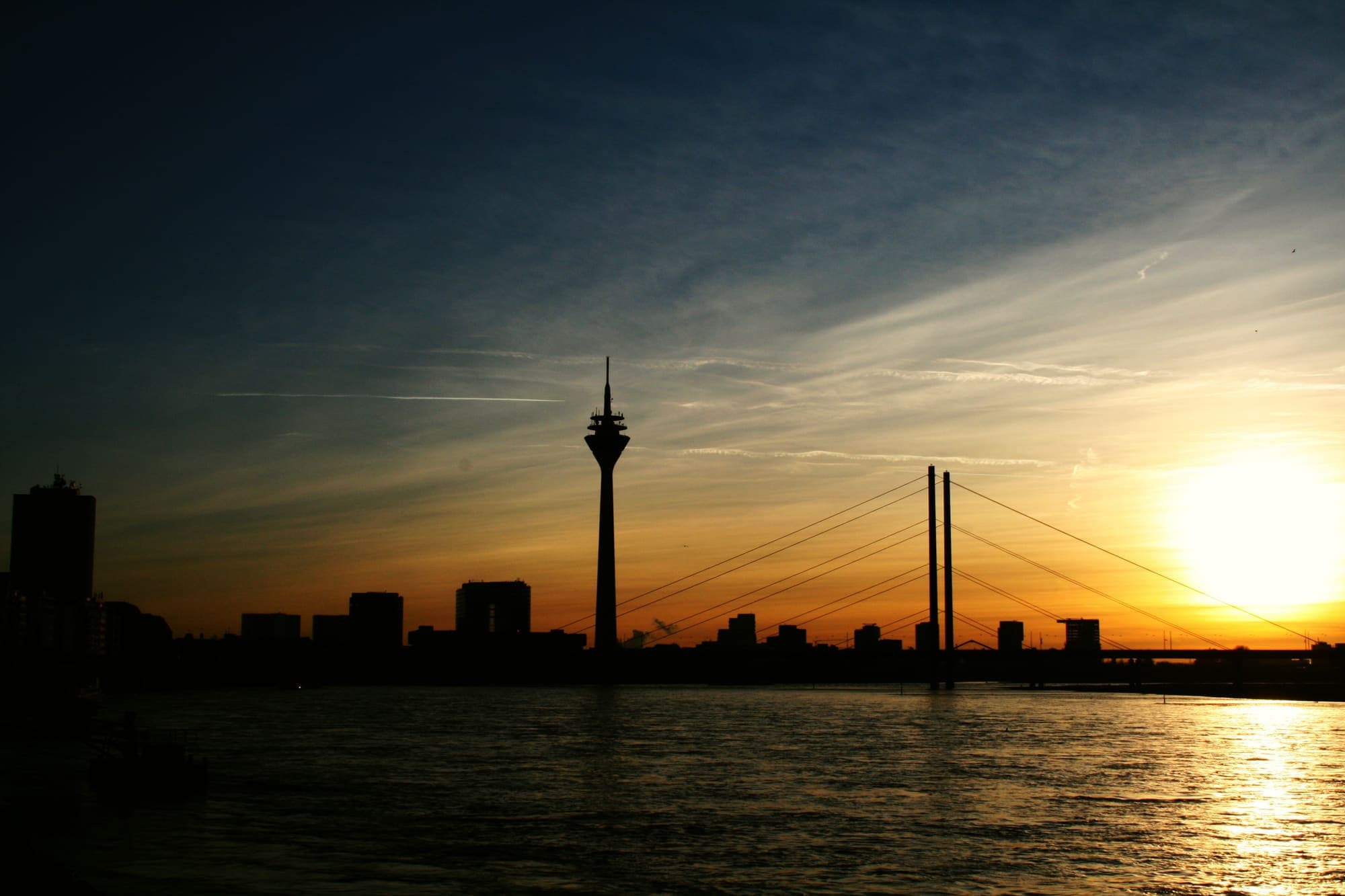
Photo credits: KUKA industrial robotic arm by Oleg Yunakov, CC BY-SA 4.0; RWTH Aachen main building by א (Aleph), CC BY-SA 2.5; Forschungszentrum Jülich and solar tower by Achim Christoph, CC BY 3.0; Munich New Town Hall, Marienplatz by Dietmar Rabich, CC BY-SA 4.0; Düsseldorf skyline by QuidoX, CC BY-SA 3.0. Via Wikimedia Commons. All image credits
