
Biotechnology & Molecular Life Sciences in Germany
Why Study Biotechnology & Molecular Life Sciences in Germany?
Germany is a global powerhouse in biotechnology, biopharmaceuticals, and molecular life sciences. The country has played a pivotal role in pioneering mRNA vaccine platforms like BioNTech and CureVac and houses a thriving ecosystem of more than 700 biotech companies and world-renowned research institutes.
Leading Research Clusters:
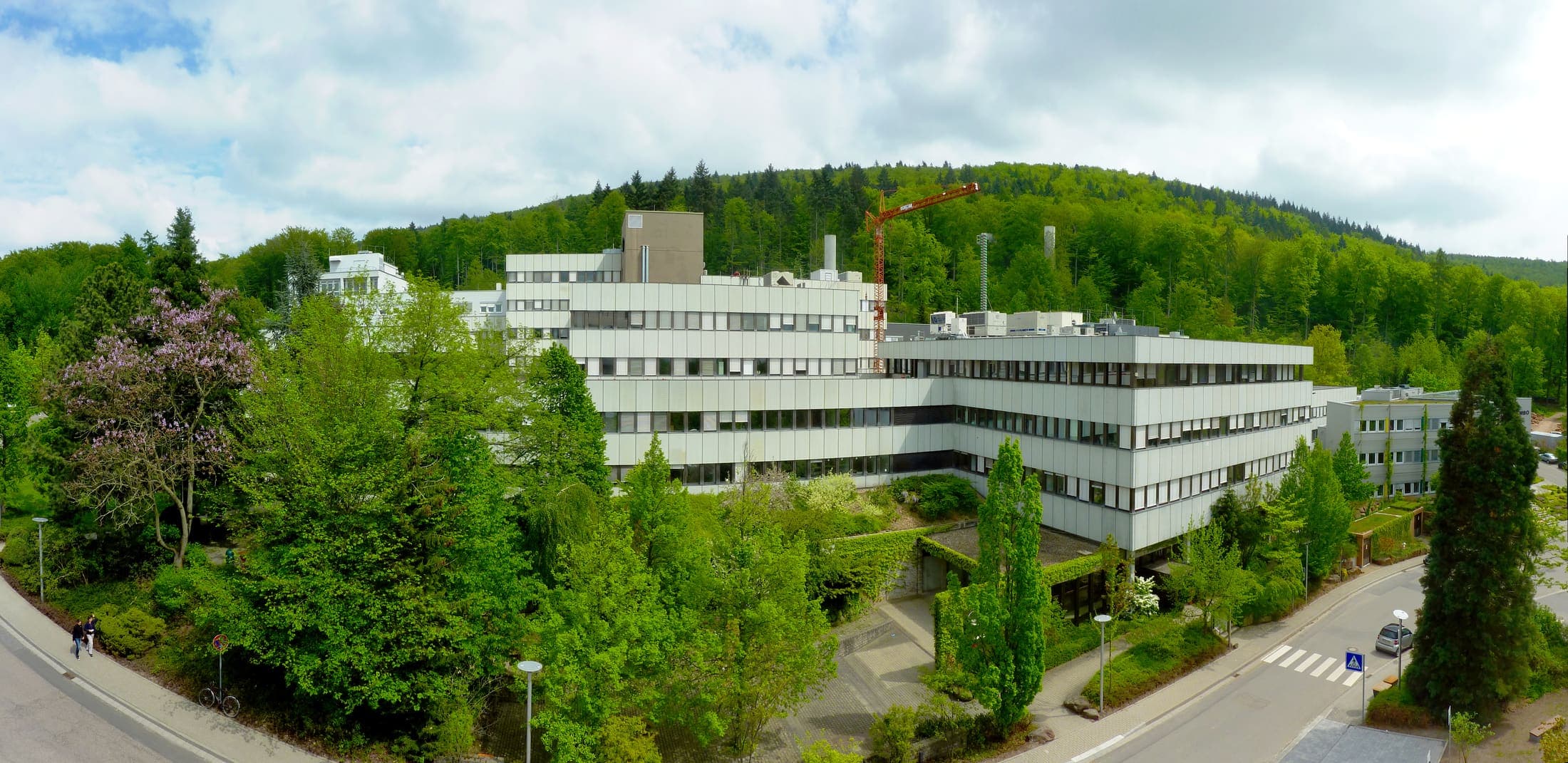
Study alongside world-famous research centres—such as the European Molecular Biology Laboratory (EMBL in Heidelberg), the Max Planck Institute of Biochemistry, the Helmholtz Association, and the Fraunhofer Institute for Cell Therapy and Immunology.
World-Class Education:
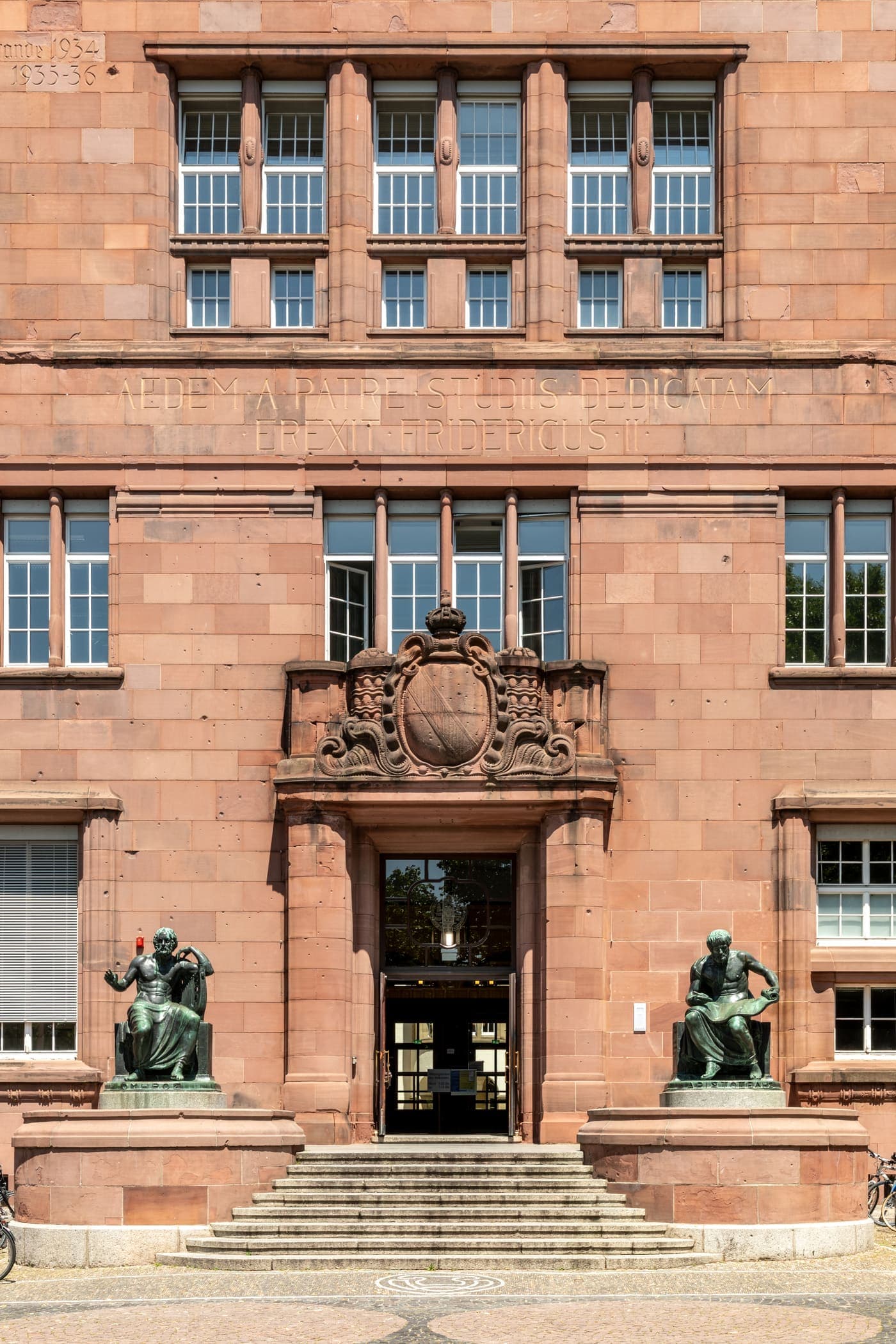
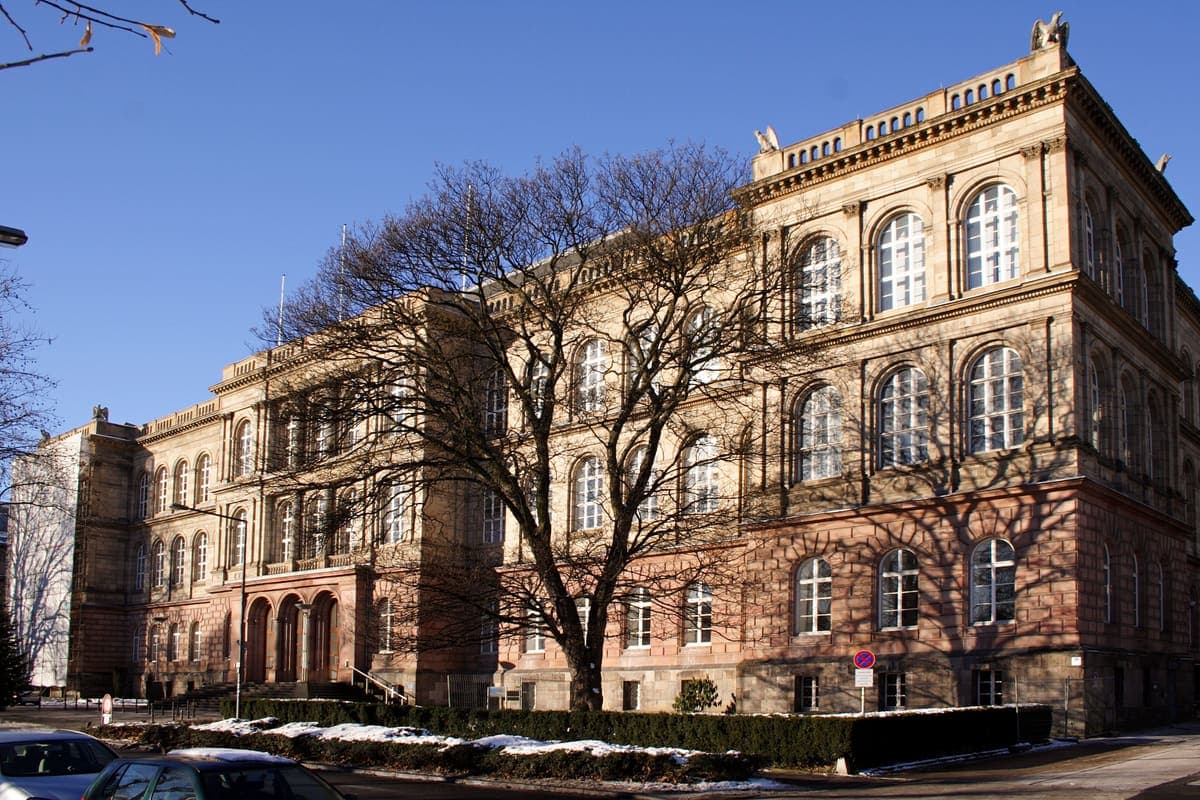
Public technical universities and specialised institutions, e.g., TU Munich, RWTH Aachen, Heidelberg University, University of Freiburg offer world-class, 100% English-taught M.Sc. programs.
High-Tech Focus:
Curricula integrate wet-lab molecular techniques like CRISPR/Cas9 gene editing, Next-Generation Sequencing with industrial bioprocess engineering, bioinformatics pipelines, cell line development, and Good Manufacturing Practice (GMP) compliance.
High Demand & Excellent Compensation:
Classified as a core high-demand field (Engpassberufe), biotechnology professionals benefit from streamlined EU Blue Card pathways and competitive entry-level salaries ranging from €50,000 to €80,000+ per year.
In-Demand Specializations
Degrees in Biotechnology & Molecular Life Sciences in Germany allow you to focus on specialised technical and industrial tracks:
Industrial & White Biotechnology:
Bioprocess engineering, industrial fermentation, enzyme engineering, biocatalysis, and biomanufacturing scale-up.
Red / Pharmaceutical Biotechnology:
Monoclonal antibody production, recombinant protein design, mRNA therapeutics, vaccine technology, and viral vector delivery systems.
Genomics, Bioinformatics & Systems Biology:
Next-Generation Sequencing (NGS) data processing, multi-omics analytics, structural bioinformatics, and metabolic network modelling.
Molecular Cell Biology & Regenerative Medicine:
Stem cell technology, tissue engineering, gene therapy, spatial transcriptomics, and organ-on-a-chip platforms.
Green & Environmental Biotechnology:
Agricultural genetic engineering, bioplastics development, bioremediation, and bio-based circular economy solutions.
Key Admission Prerequisites
For Bachelor's Programs (3–3.5 Years):
School leaving credentials equivalent to the German Abitur (or completion of a 1-year Studienkolleg M-Kurs or T-Kurs foundation track).
For Master's Programs (1.5–2 Years):
A recognised 3-year or 4-year Bachelor's degree in Biotechnology, Molecular Biology, Biochemistry, Bioengineering, or Life Sciences.
ECTS Module Alignment:
Admission committees strictly verify undergraduate credits in higher mathematics, general/organic chemistry, biochemistry, cell biology, genetics, microbiology, and hands-on laboratory work.
Language Proficiency:
English-Taught Programs:
IELTS Academic (6.5 to 7.0+) or TOEFL iBT (88 to 100+).
German-Taught Programs:
TestDaF (TDN 4 in all sections) or Goethe C1.
Tuition Fees
Let's plan your path to studying Biotechnology & Molecular Life Sciences in Germany
From shortlisting the right biotech-focused university to preparing a compelling application, our counsellors guide every step of your journey.
Frequently Asked Questions (FAQs)
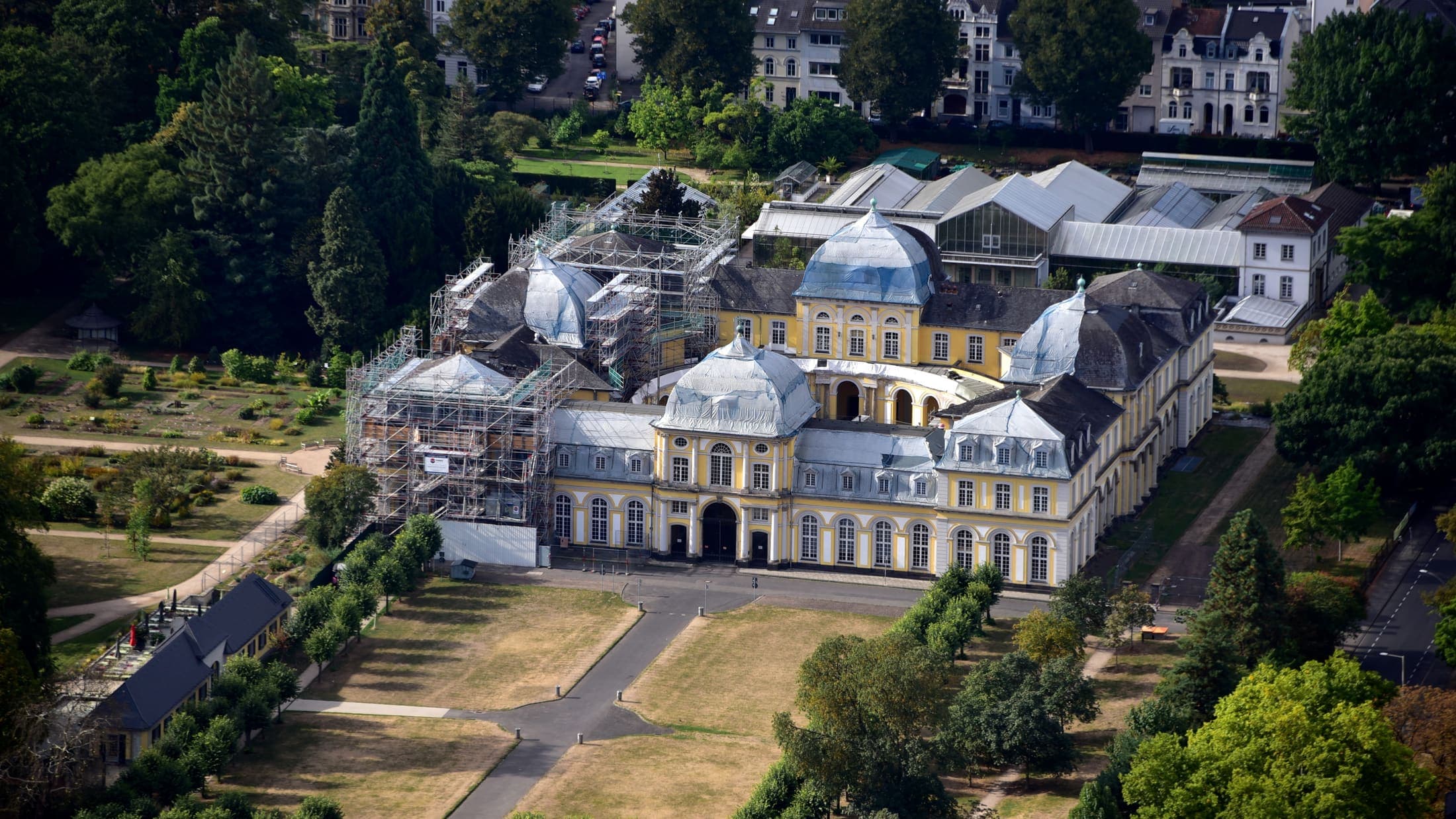
Yes. Leading public universities offer fully English-taught M.Sc. programs, including TU Munich (Molecular & Industrial Biotechnology), RWTH Aachen (Industrial Biotechnology), Heidelberg University (Molecular Biosciences), University of Freiburg, University of Bonn, and Offenburg University.
Entry-level bioprocess engineers, research associates, and molecular biologists in Germany earn average starting salaries ranging from €50,000 to €70,000 per year. Completing a PhD (Dr. rer. nat.) often elevates starting offers in pharmaceutical and biotech firms like BioNTech or Bayer to €75,000 – €90,000+ per year.
Red Biotechnology focuses on medicine and biopharmaceuticals (mRNA therapeutics, vaccines, cell therapies). White Biotechnology focuses on industrial processes (enzymatic biocatalysis, industrial fermentation, bioplastics). Green Biotechnology focuses on agriculture, plant tissue culture, and genetic crop engineering.
Admission committees strictly evaluate your transcript for practical laboratory hours. Public universities check for minimum undergraduate credits in Cell Biology, Biochemistry, Genetics/Microbiology, General Chemistry, and Hands-on Laboratory Rotations. Purely online or theoretical degrees without verified lab hours are usually rejected.
Yes. Chemistry, Chemical Engineering, and Pharmacy graduates qualify for industrial biotechnology, bioprocess engineering, or pharmaceutical biotechnology tracks. However, for pure molecular biology or genetics specialisations, universities may require you to bridge missing foundational cell biology modules.
Curricula emphasise industry-standard tools including Python and R (for genomic sequence analysis and RNA-seq), Biopython / Bioconductor, SnapGene, PyMOL (for protein structural modelling), BLAST, and ImageJ/Fiji (for bio-image analysis).
Top employers include:
• Biotech Pioneers & Biopharma: BioNTech (Mainz), CureVac (Tübingen), Qiagen, Boehringer Ingelheim, Evotec, MorphoSys.
• Global Chemical & Pharma Multinationals: Bayer, Merck KGaA, BASF, Roche Diagnostics, Sanofi Germany.
• Bioprocess & Equipment Manufacturers: Sartorius, Eppendorf, Thermo Fisher Scientific.
GMP regulations dictate strict quality control standards for biopharmaceutical manufacturing. German programs integrate modules on cleanroom technology, regulatory affairs, ISO 9001/13485 quality control, and validation of bioprocesses, making graduates directly hireable by biopharma manufacturers.
Yes. Non-EU international students can legally work up to 140 full days or 280 half days per calendar year. Working 12 to 20 hours per week as an academic research assistant (HiWi) or junior bioprocess associate in university laboratories or biotech incubators lets you earn €15 to €23/hour while gaining direct experimental experience.
An M.Sc. qualifies you for bioprocess engineering, clinical data management, quality control, and research associate roles. However, to become a Senior Principal Investigator (PI), Lead Research Scientist, or Head of R&D at major pharma firms, holding a PhD is strongly preferred.
Yes. Most 2-year Master's programs allow students to complete their 6-month Master's thesis (Masterarbeit) with leading companies such as BioNTech, Merck, and Sartorius, or research institutes like Fraunhofer and Max Planck. Many industry-based thesis projects lead to full-time job offers after graduation.
The Bioeconomy involves transitioning from fossil-fuel-based industrial processes to renewable biological resources. Under Germany's National Bioeconomy Strategy, biotechnology provides the technical engines—such as converting agricultural waste into bio-based chemicals, enzymes, and biodegradable materials.
Explore Other Fields of Study in Germany
Beyond Biotechnology & Molecular Life Sciences, EduOptions Germany also guides students
into these high-growth fields.
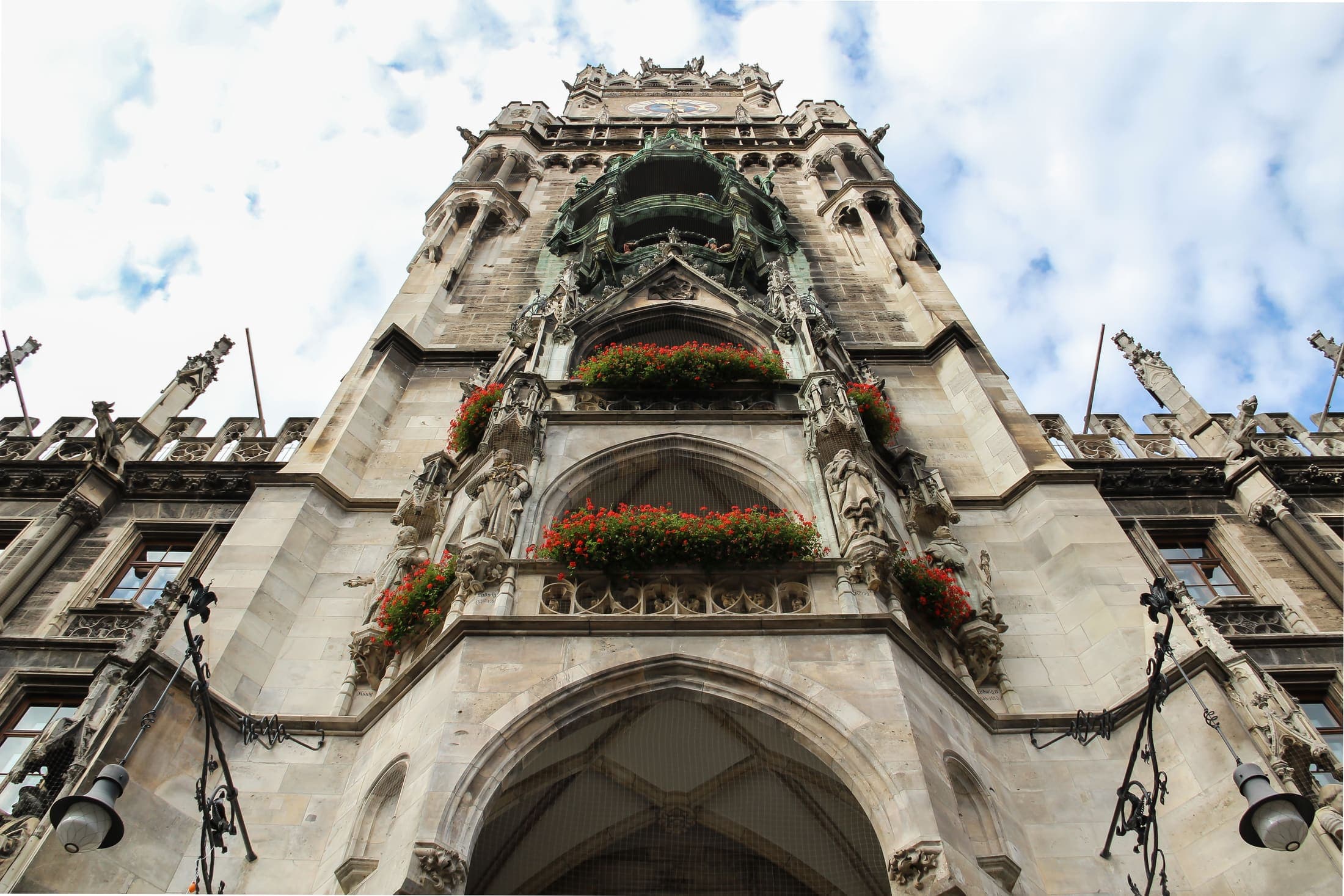
Photo credits: European Molecular Biology Laboratory (EMBL), Heidelberg by Magnus Manske, CC BY-SA 3.0; University of Freiburg, Kollegiengebäude I by Dietmar Rabich, CC BY-SA 4.0; Poppelsdorfer Schloss, University of Bonn by Wolkenkratzer, CC BY-SA 4.0; RWTH Aachen main building by א (Aleph), CC BY-SA 2.5; Munich New Town Hall, Marienplatz by Dietmar Rabich, CC BY-SA 4.0. Via Wikimedia Commons. All image credits
