
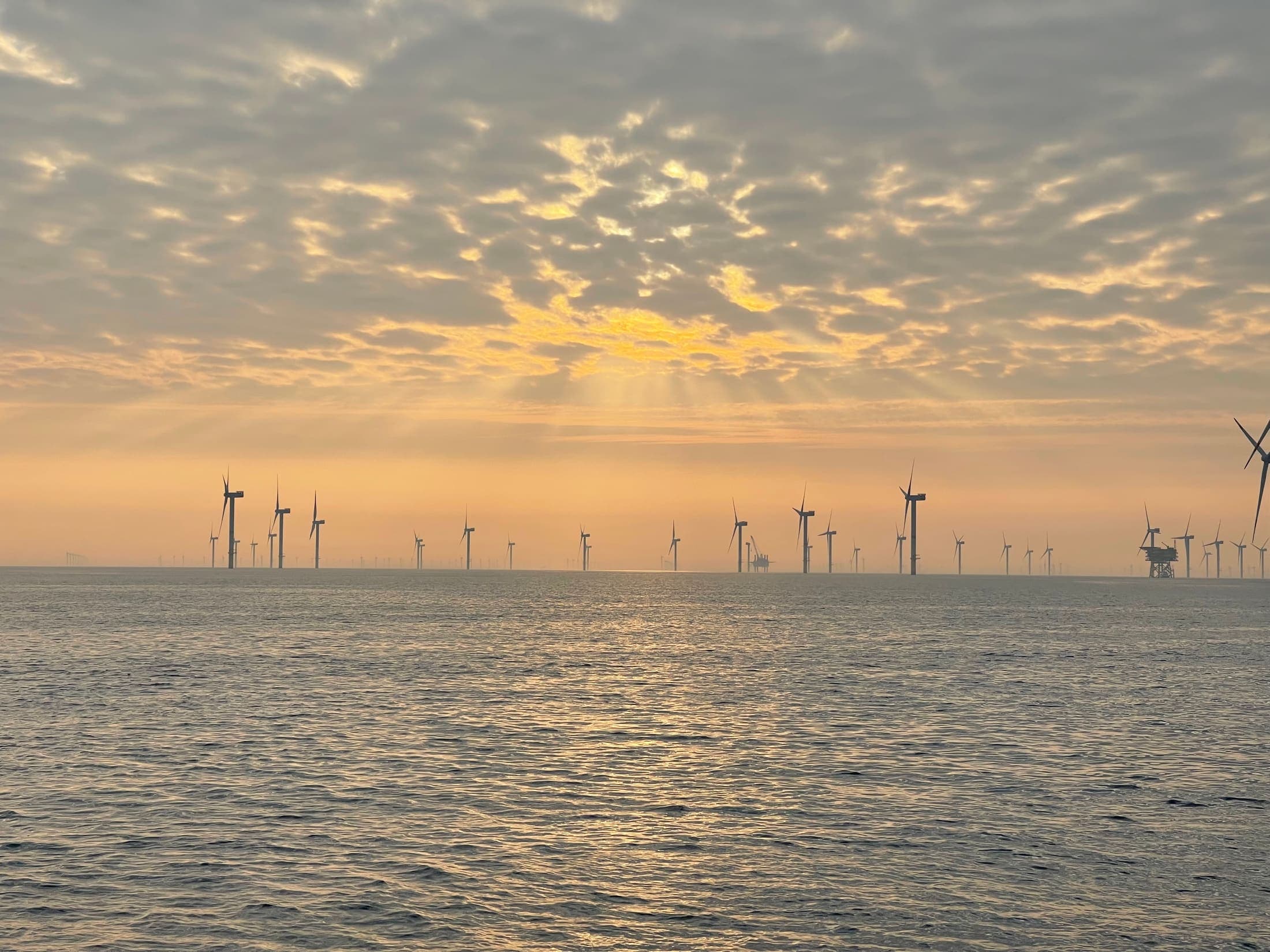
Renewable Energy & Sustainable Technology in Germany
Why Study Renewable Energy & Sustainable Technology in Germany?
Germany is a pioneer in green technology and the global leader in the transition to sustainable power (Energiewende). Driven by national climate targets to generate 80% of its electricity from renewable sources by 2030 and achieve carbon neutrality by 2045, Germany provides an unparalleled academic and industrial framework for studying Renewable Energy & Sustainable Technology (Erneuerbare Energien und Nachhaltige Technologie).
Global Industrial & Research Hub:
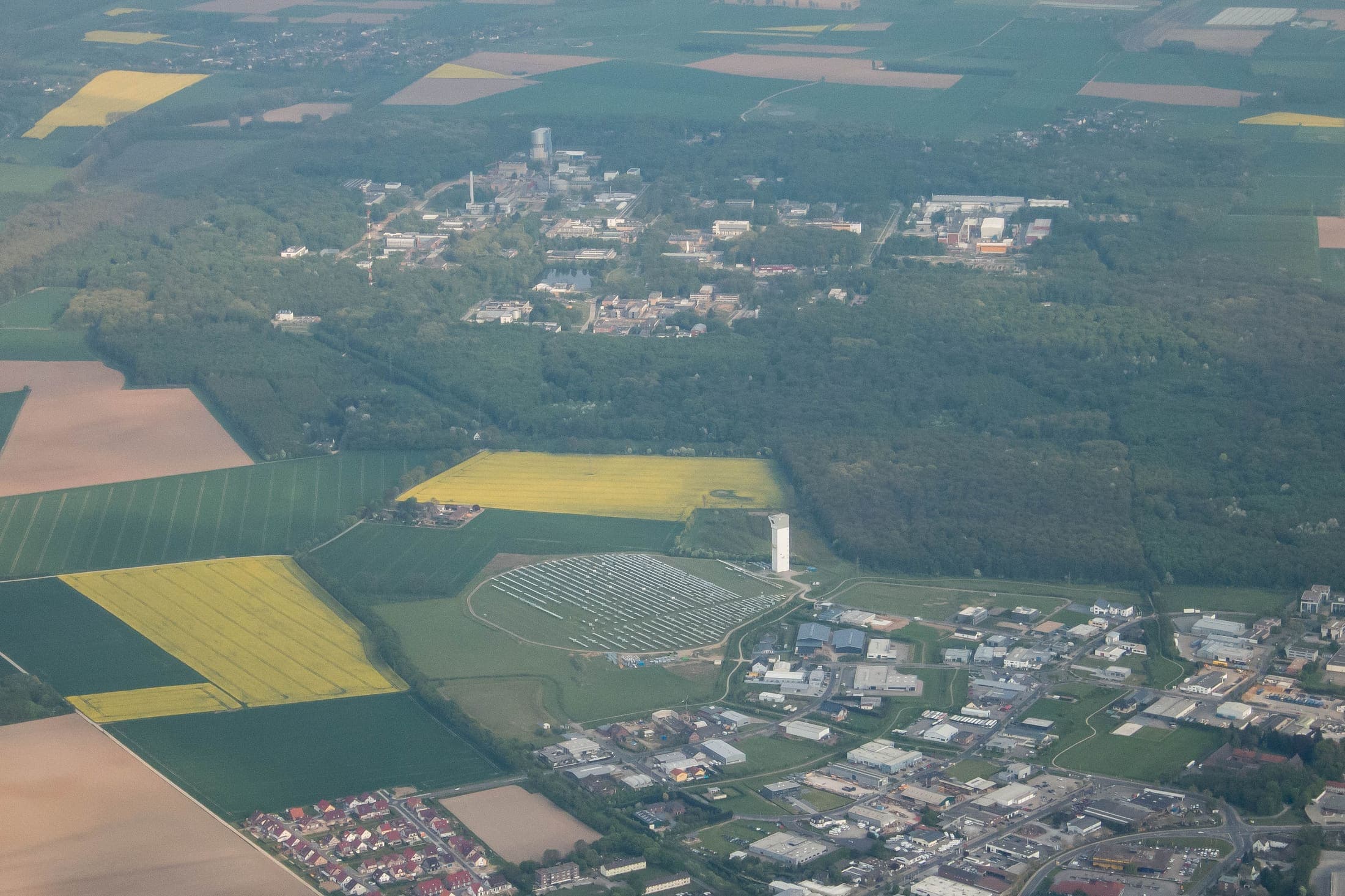
Access world-leading research networks, including the Fraunhofer Institute for Solar Energy Systems (ISE)—the largest solar energy research institute in Europe—the Helmholtz Association, and industrial leaders like Siemens Energy, Enercon, SMA Solar Technology, and EnBW.
World-Class Public & Private Universities:
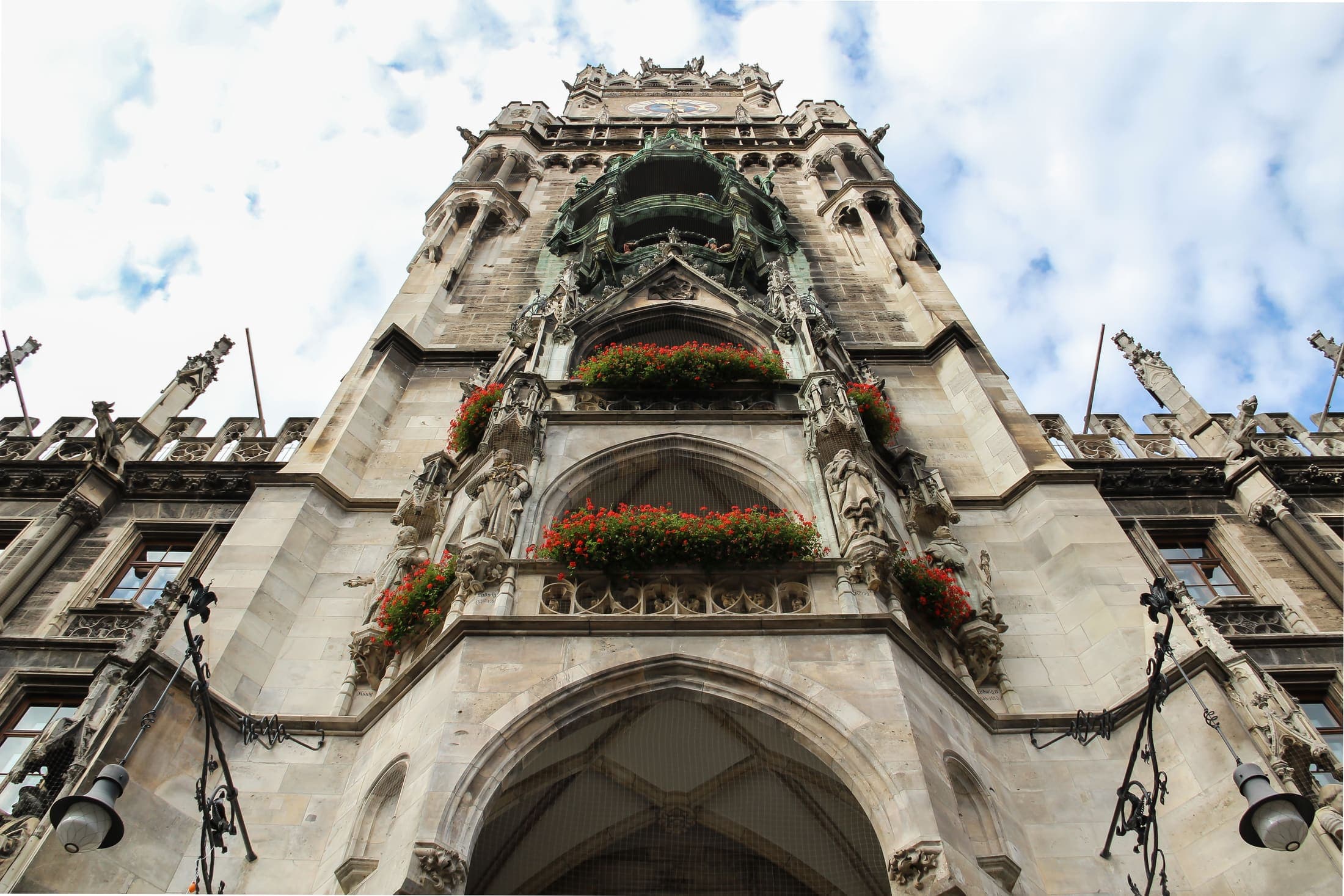
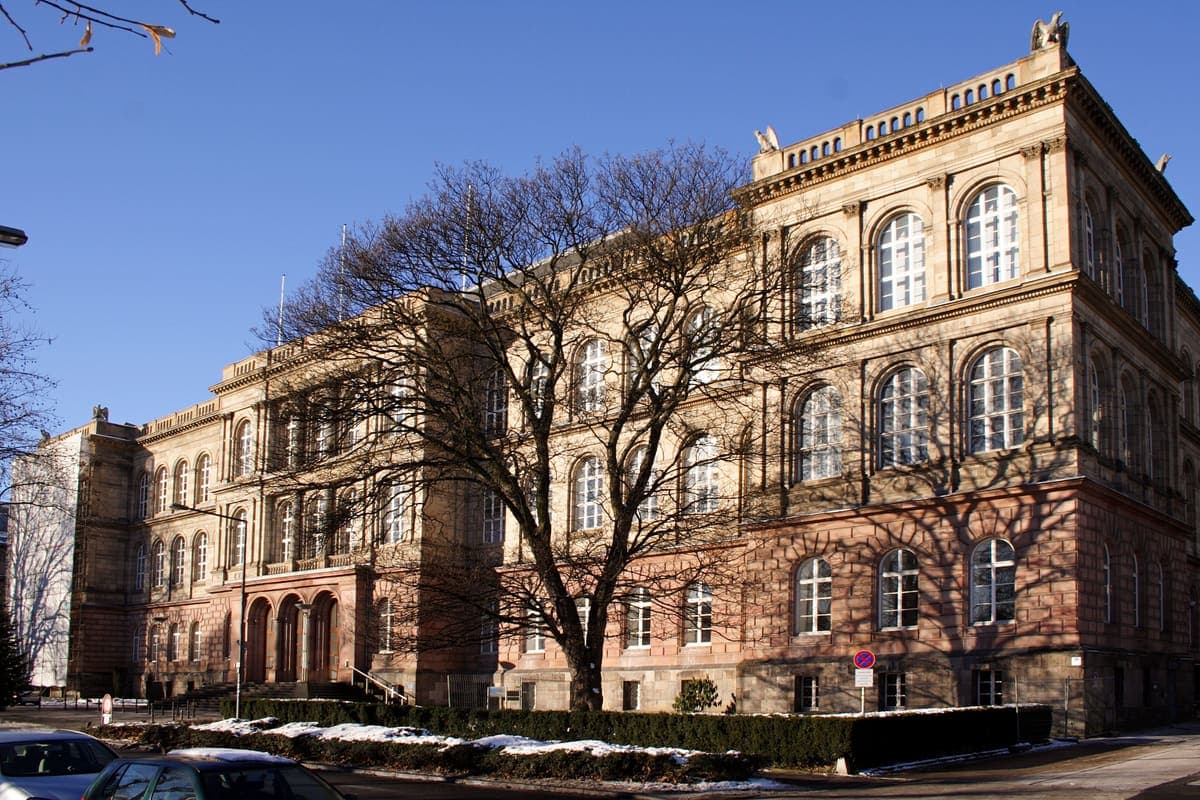
Choose between top-ranked public technical universities, e.g., TU Munich, RWTH Aachen, KIT, TU Berlin, University of Oldenburg or specialised private institutions offering 100% English-taught tracks.
Driven by High-Tech Integration:
Curricula integrate core power engineering with green hydrogen production, smart grid management, offshore wind engineering, energy storage technologies, and circular economy design.
High Career Demand & Pay:
Classified as an essential shortage occupation (Engpassberufe), graduates benefit from streamlined EU Blue Card pathways and competitive starting salaries ranging from €46,000 to €70,000+ per year.
In-Demand Specializations
Degrees in Renewable Energy & Sustainable Technology in Germany allow you to focus on specialised technical and systems engineering tracks:
Solar Energy Engineering & Photovoltaics:
Semiconductor physics for solar cells, PV plant design, building-integrated photovoltaics (BIPV), and solar thermal technology.
Wind Energy Engineering:
Aerodynamics of wind turbine blades, offshore wind farm design, mechanical drivetrain engineering, and structural mechanics.
Smart Grids & Energy Storage:
High-voltage DC (HVDC) transmission, lithium-ion and solid-state battery technology, microgrids, and AI grid balancing.
Green Hydrogen & Fuel Cell Technology:
Water electrolysis systems, power-to-X technologies, hydrogen storage infrastructure, and fuel cell stacks.
Sustainable Process Engineering & Circular Economy:
Life cycle assessment (LCA), bioenergy production, waste-to-energy technologies, and decarbonised manufacturing.
Key Admission Prerequisites
For Bachelor's Programs (3–3.5 Years):
High school leaving credentials equivalent to the German Abitur (or completion of a 1-year Studienkolleg T-Kurs engineering foundation track).
For Master's Programs (1.5–2 Years):
A recognised 3-year or 4-year Bachelor's degree in Electrical Engineering, Mechanical Engineering, Environmental Engineering, Chemical Engineering, Process Engineering, or Physics.
ECTS Module Alignment:
Admission committees rigorously verify undergraduate credits in higher calculus, differential equations, linear algebra, thermodynamics, fluid dynamics, electrical engineering/circuits, and physics.
Language Proficiency:
English-Taught Programs:
IELTS Academic (6.5 to 7.0+) or TOEFL iBT (88 to 100+).
German-Taught Programs:
TestDaF (TDN 4 in all sections) or Goethe C1.
Fee Structure for Renewable Energy & Sustainable Technology
Let's plan your path to studying Renewable Energy & Sustainable Technology in Germany
From shortlisting the right renewable energy programme to preparing a compelling application, our counsellors guide every step of your journey.
Frequently Asked Questions (FAQs)
Yes. Leading public universities offer fully English-taught M.Sc. programs, including TU Munich (Straubing Campus), RWTH Aachen, University of Oldenburg (PPRE & EWEM programs), TU Berlin, University of Freiburg (Solar Energy Engineering), and Offenburg University.
Entry-level renewable energy engineers, wind farm designers, PV technical specialists, and grid integration analysts earn starting salaries ranging from €46,000 to €70,000+ per year. Specialised roles in hydrogen infrastructure engineering, battery management systems, or energy trading frequently command starting offers exceeding €75,000 per year.
The Fraunhofer Institute for Solar Energy Systems (ISE) in Freiburg is the largest solar research institute in Europe. Many German universities (e.g., University of Freiburg) partner directly with Fraunhofer ISE, allowing Master's students to complete their thesis research inside world-class photovoltaic testing laboratories.
Yes. Graduates with backgrounds in Environmental Engineering, Civil Engineering, or Process Engineering qualify for specialised tracks focusing on bioenergy, sustainable infrastructure, process decarbonization, and environmental life cycle assessment (LCA). However, specialised power-grid or wind turbine control tracks may require bridging modules in electrical engineering.
Programs heavily emphasise industry-standard engineering tools, including MATLAB / Simulink (power system control), Python (energy data science and grid optimisation), PV*SOL / PVSyst (solar system design), Ansys / OpenFOAM (computational fluid dynamics for wind blades), OpenDSS / PowerFactory (smart grid analysis), and SimaPro / GaBi (Life Cycle Assessment).
Top recruiters in Germany include:
• Energy Equipment Manufacturers & Tech: Siemens Energy, SMA Solar Technology, Enercon, Nordex Group, Voith Hydro.
• Power Utilities & Transmission System Operators (TSOs): TenneT, 50Hertz, Amprion, TransnetBW, EnBW, RWE, E.ON.
• Industrial Decarbonization & Engineering: Bosch, EVONIK, Thyssenkrupp Nucera, BASF, MAN Energy Solutions.
EWEM is an elite multi-country Master's program co-organised by the University of Oldenburg (Germany), Delft University of Technology (Netherlands), NTNU (Norway), and DTU (Denmark). Students study across two or more European countries, specialising in offshore wind energy systems.
Green Hydrogen is produced by splitting water using electricity generated entirely from renewable sources (wind/solar). Under Germany's National Hydrogen Strategy, billions of euros are invested into converting industrial steel manufacturing, heavy transport, and chemical synthesis to green hydrogen. Universities offer specialised modules in electrolysis, fuel cell stacks, and hydrogen grid infrastructure.
Yes. Non-EU international students can legally work up to 140 full days or 280 half days per calendar year. Working 12 to 20 hours per week as a student worker (Werkstudent) as a junior wind data analyst, PV designer, or battery testing assistant lets you earn €16 to €25/hour while building direct industry experience.
Renewable Energy Engineering (M.Sc.) is a deep technical engineering degree focusing on hardware design, thermodynamics, grid control, and physics. Energy Management (M.Sc. / MBA) focuses on energy economics, carbon trading markets, energy policy, regulatory compliance, and project development finance.
Most 2-year Master's programs require or strongly encourage a 3- to 6-month industrial internship (Praktikum) or a company-sponsored Master's thesis project. Writing your thesis in partnership with firms such as Siemens Energy, EnBW, or Fraunhofer ISE provides direct access to active wind/solar installations and frequently leads to full-time job offers upon graduation.
Explore Other Fields of Study in Germany
Beyond Renewable Energy & Sustainable Technology, EduOptions Germany also guides students
into these high-growth fields.
Photo credits: Nordsee One offshore wind park, Germany by Capmat007, CC BY-SA 4.0; Forschungszentrum Jülich and solar tower by Achim Christoph, CC BY 3.0; Munich New Town Hall, Marienplatz by Dietmar Rabich, CC BY-SA 4.0; RWTH Aachen main building by א (Aleph), CC BY-SA 2.5; University of Stuttgart (Cyber Valley partner) by MSeses, CC BY-SA 4.0. Via Wikimedia Commons. All image credits
