
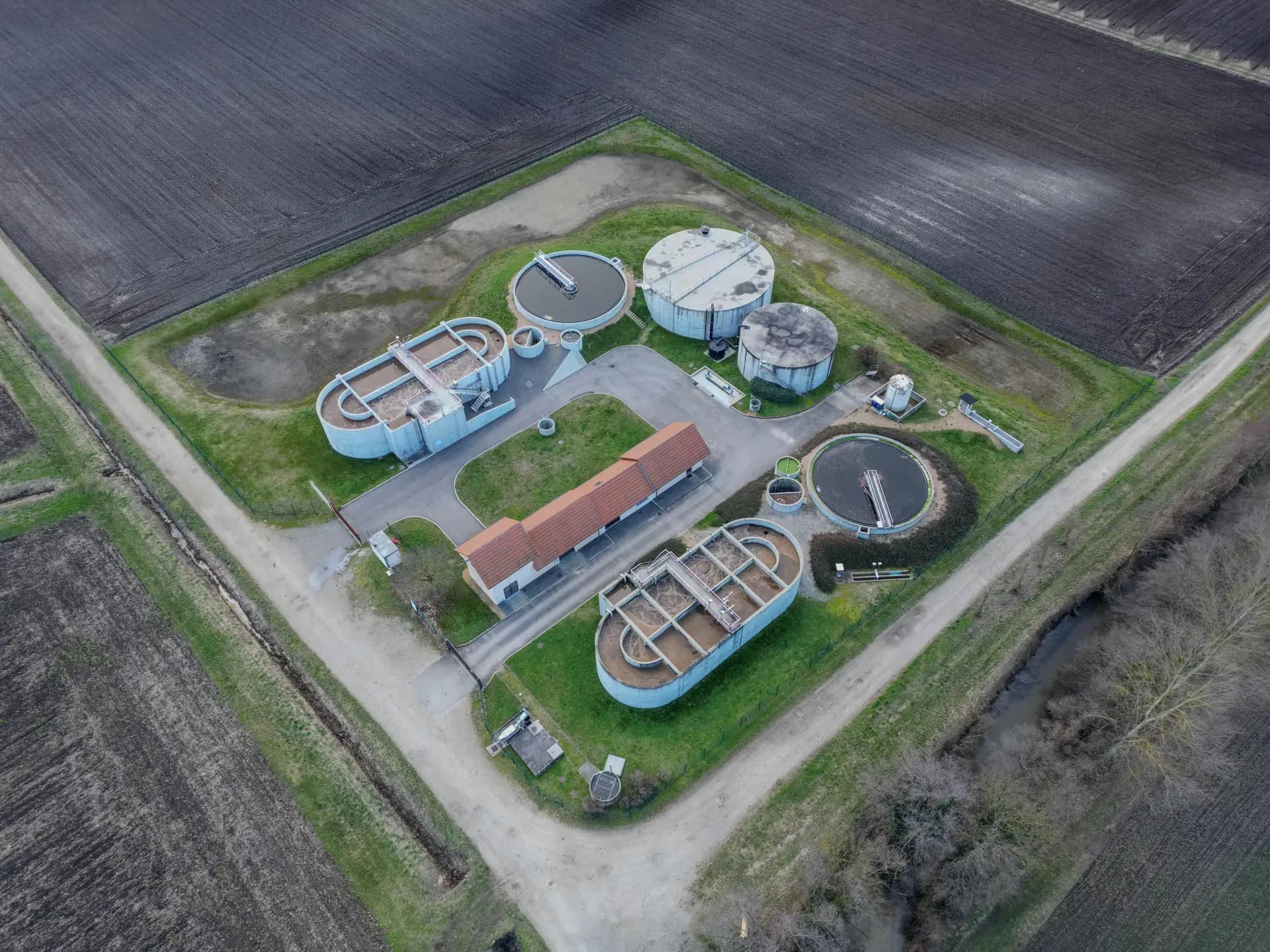
Environmental Engineering & Science in Germany
Why Study Environmental Engineering & Science in Germany?
Germany is a global leader in environmental protection, circular economy policy, and sustainable industrial technology. Driven by stringent European Union climate targets and national sustainability frameworks, Germany provides an ideal ecosystem for studying Environmental Engineering & Science (Umweltingenieurwesen und Umweltwissenschaften).
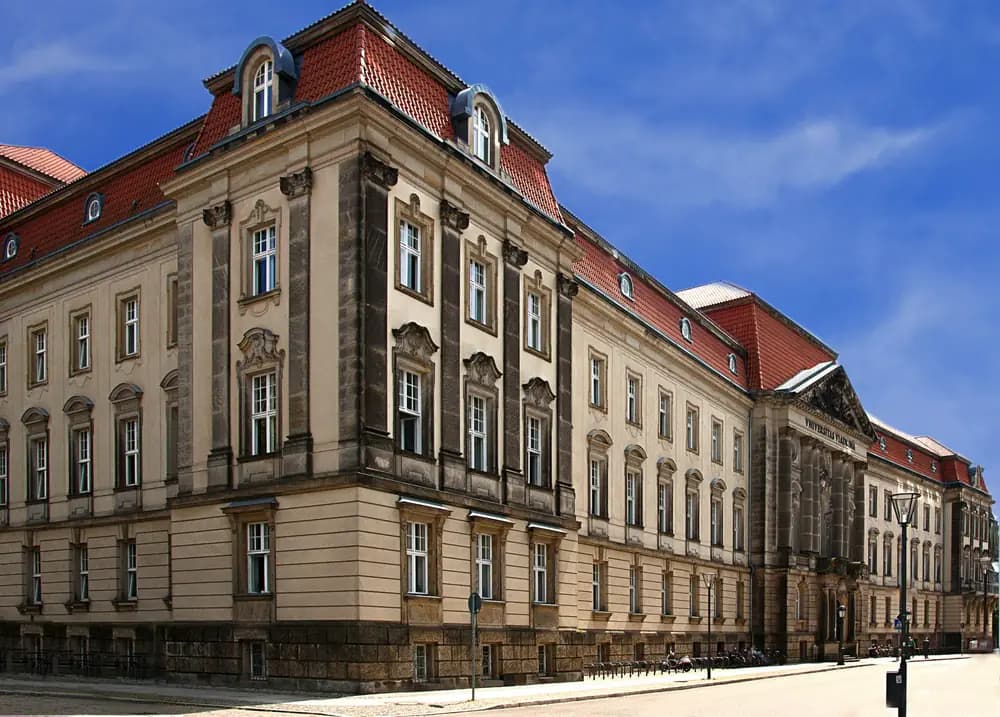
Access to Leading Research Institutions:
Study alongside world-renowned environmental research networks, including the Helmholtz Centre for Environmental Research (UFZ), the Fraunhofer Institute for Environmental, Safety, and Energy Technology (UMSICHT), and the German Environment Agency (UBA).
World-Class Public & Private Universities:
Choose between top-ranked public technical universities, e.g., TU Munich, RWTH Aachen, TU Dresden, University of Stuttgart, University of Hannover or specialised private institutions offering 100% English-taught tracks.
Interdisciplinary & Technology-Driven:
Curricula combine classical civil engineering with advanced wastewater process engineering, air quality control, soil remediation, environmental data science, climate resilience modelling, and life cycle assessment (LCA).
High Career Demand & Pay:
Classified as an essential shortage occupation (Engpassberufe), graduates benefit from streamlined EU Blue Card pathways and starting salaries ranging from €45,000 to €70,000+ per year.
In-Demand Specializations
Degrees in Environmental Engineering & Science in Germany allow you to focus on specialised technical and environmental systems tracks:
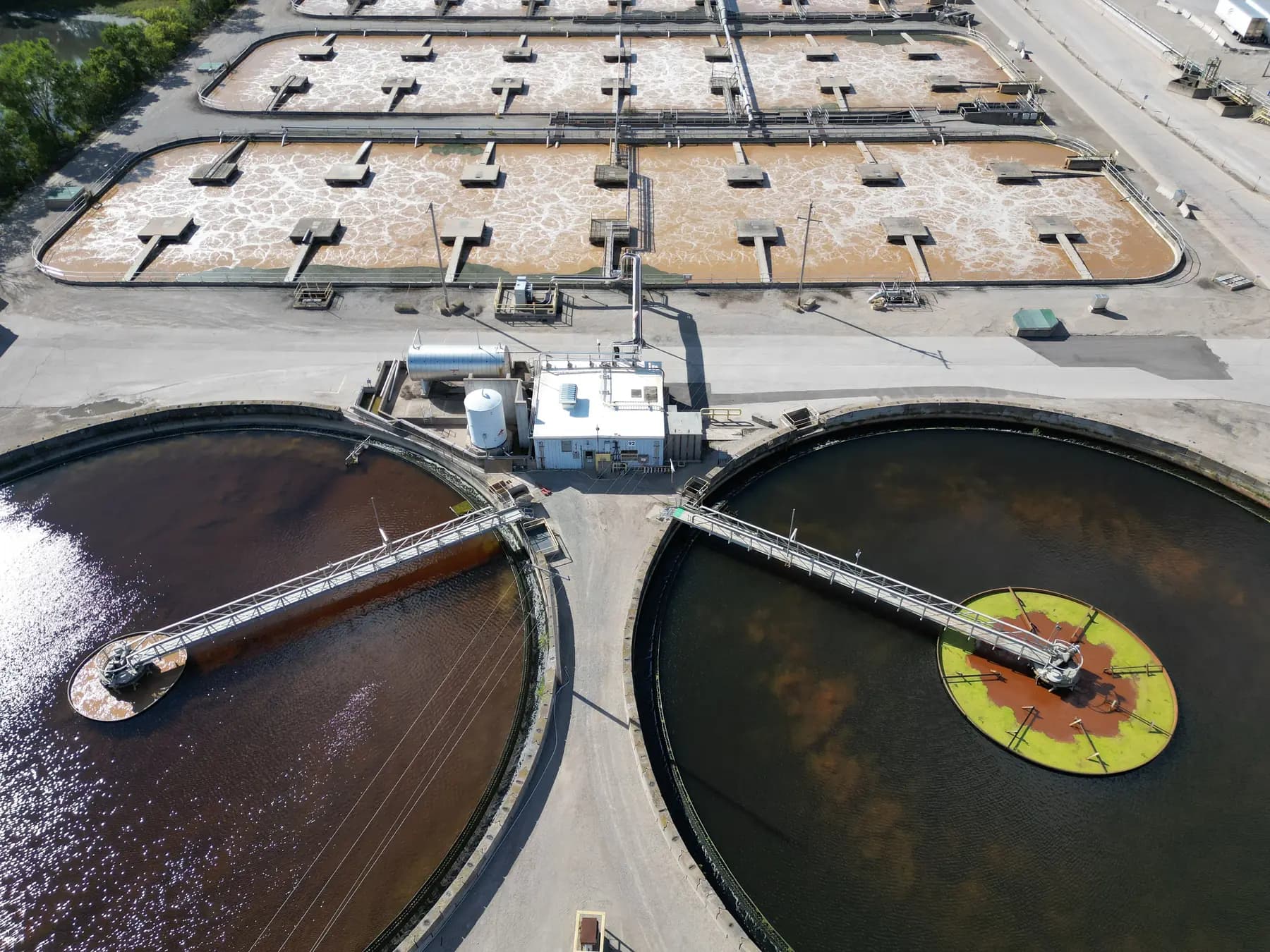
Water Resources & Wastewater Process Engineering:
Advanced water treatment, urban hydrology, membrane technology, industrial effluent management, and watershed modelling.
Air Quality Control & Waste Management:
Emission monitoring, industrial air filtration, solid waste processing, hazardous waste management, and circular economy design.
Soil Remediation & Contaminated Site Management:
Environmental geotechnics, phytoremediation, groundwater restoration, and soil physics.
Environmental Data Science & Spatial Modelling:
Geographic Information Systems (GIS), remote sensing, environmental risk assessment, and predictive climate modelling.
Sustainable Resource Management & Eco-Design:
Life Cycle Assessment (LCA), circular economy frameworks, industrial ecology, and environmental impact auditing.
Key Admission Prerequisites
For Bachelor's Programs (3–3.5 Years):
School leaving credentials equivalent to the German Abitur (or completion of a 1-year Studienkolleg T-Kurs or M-Kurs foundation track).
For Master's Programs (1.5–2 Years):
A recognised 3-year or 4-year Bachelor's degree in Environmental Engineering, Civil Engineering, Chemical Engineering, Process Engineering, Environmental Science, or Bioengineering.
ECTS Module Alignment:
Admission committees strictly verify undergraduate credits in higher calculus, differential equations, linear algebra, general/organic chemistry, fluid mechanics, thermodynamics, and environmental biology.
Language Proficiency:
English-Taught Programs:
IELTS Academic (6.5 to 7.0+) or TOEFL iBT (88 to 100+).
German-Taught Programs:
TestDaF (TDN 4 in all sections) or Goethe C1.
Tuition Fees
Let's plan your path to studying Environmental Engineering & Science in Germany
From shortlisting the right environmental engineering programme to preparing a standout application, our counsellors guide every step of your journey.
Frequently Asked Questions (FAQs)
Yes. Leading public universities offer fully English-taught M.Sc. programs, including University of Stuttgart (WASTE program), TU Dresden (Hydro Science and Engineering), University of Hannover (WATENV), TU Munich, RWTH Aachen, and University of Freiburg (MEG program).
Entry-level environmental engineers, water treatment process designers, environmental consultants, and air quality specialists earn average starting salaries ranging from €45,000 to €70,000 per year. Specialised roles in hazardous waste management, corporate ESG auditing, or municipal infrastructure design often offer higher starting packages.
The DAAD EPOS (Development-Related Postgraduate Courses) scholarship is a fully funded program for applicants from developing or emerging countries holding at least 2 years of relevant professional experience. It covers full tuition (where applicable), a monthly stipend of €992, travel allowances, and health insurance for specialised programs such as TU Dresden's Hydro Science or Stuttgart's WASTE program.
Yes, but it depends on the track. Pure science graduates (Environmental Science, Chemistry, Biology) qualify for M.Sc. in Environmental Science, Resource Management, or Ecotoxicology tracks. However, to get into a hard M.Sc. in Environmental Engineering program, universities require foundational civil/chemical engineering credits (calculus, fluid mechanics, structural mechanics), which science graduates may need to bridge.
Curricula emphasise industry-standard tools including QGIS / ArcGIS (spatial analysis), SWMM / EPANET (stormwater and water distribution modelling), Python / R (environmental data analysis), SimaPro / GaBi (Life Cycle Assessment), OpenFOAM / Ansys (computational fluid dynamics), and MODFLOW (groundwater modelling).
Top employers include:
• Engineering & Environmental Consultancies: Ramboll, WSP, AECOM, Fichtner, Gauff Engineering, Arcadis.
• Industrial & Technology Firms: Veolia, Suez, BASF, Siemens Energy, Bilfinger.
• Public Sector & Agencies: German Environment Agency (UBA), Federal Institute of Hydrology (BfG), municipal water/waste utilities (Stadtwerke).
Environmental Engineering (Umweltingenieurwesen) is a technical engineering discipline focusing on designing physical treatment infrastructure, waste-to-energy hardware, pollution control systems, and hydraulic works. Environmental Science (Umweltwissenschaften) is a natural science discipline focusing on ecosystem dynamics, ecotoxicology, environmental chemistry, biodiversity, and policy analysis.
For international R&D divisions, global engineering consultancies, and research institutes, English is often the working language. However, for site civil engineering, municipal wastewater plant operations, environmental impact assessments, and dealing with local German regulatory authorities (Umweltamt), conversational to fluent German (B2/C1 level) is strongly required.
Yes. Non-EU international students can legally work up to 140 full days or 280 half days per calendar year. Working 12 to 20 hours per week as a student worker (Werkstudent) as a junior GIS analyst, water testing technician, or EIA assistant lets you earn €15 to €23/hour while gaining direct operational experience.
Germany leads Europe in circular waste legislation. Universities feature dedicated modules on closed-loop materials management, zero-waste manufacturing design, plastic recycling technologies, and electronic waste recovery, training engineers to eliminate waste at the design phase.
Yes. Most 2-year Master's programs require or strongly encourage a 3- to 6-month industrial internship (Praktikum) or a thesis written in partnership with an environmental firm, municipal water board (Wasserverband), or research centre (like UFZ), which frequently leads directly to full-time job offers upon graduation.
GIS and remote sensing are core competencies taught in almost all German environmental Master's tracks. Students learn spatial data processing to map groundwater contamination plumes, model urban heat island effects, design flood protection zones, and monitor deforestation using satellite imagery.
Explore Other Fields of Study in Germany
Beyond Environmental Engineering & Science, EduOptions Germany also guides students
into these high-growth fields.
